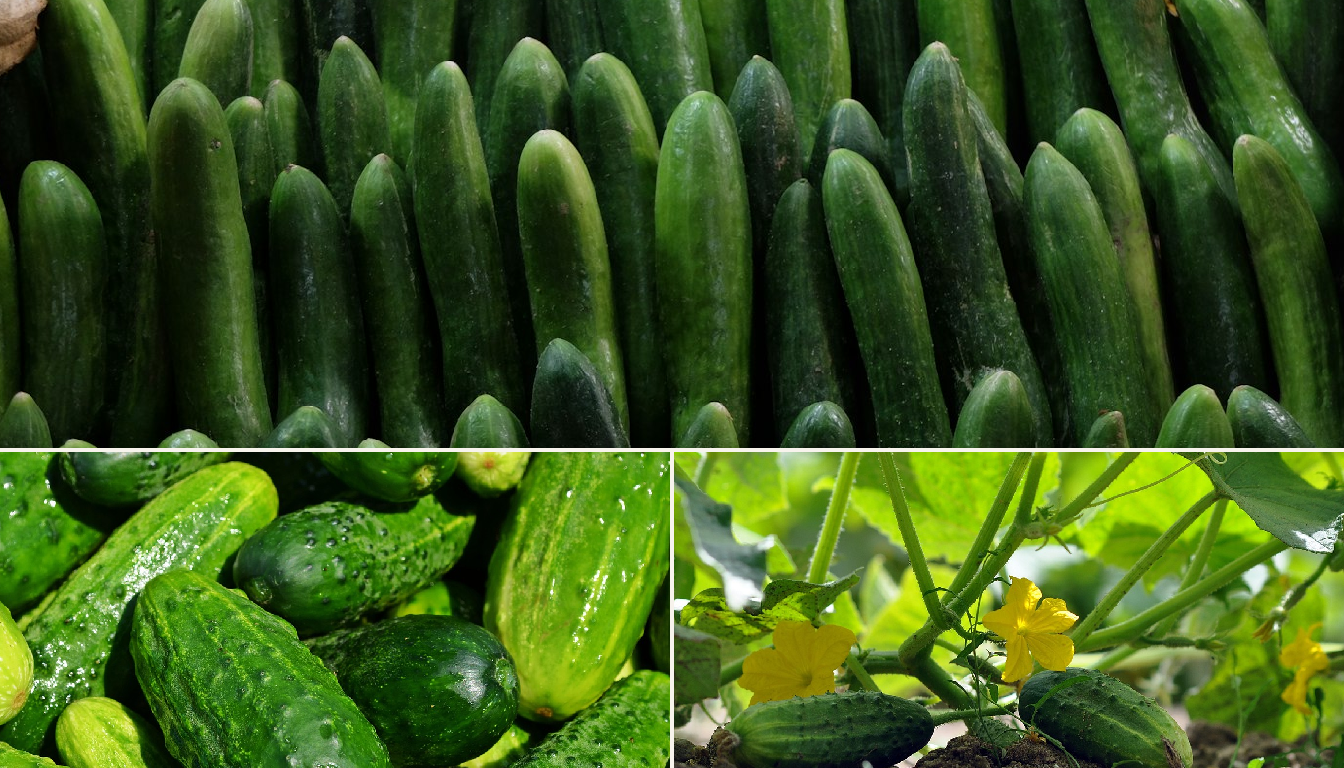
TheYardWise Assessment
- Suitability: ★★★☆☆ — Workable — clear limitations to plan around
- + Growing season and GDD are long enough for this crop.
- + Approx. 215-day growing season supports this crop.
- − Late/early frost risk requires season extension or indoor starts.
- Confidence: Medium
This guide uses city-level climate data. Your actual sunlight exposure, soil condition, and garden layout are not included. A personalized Garden Report adjusts these factors.
- Best Timing: After frost risk has passed (average last frost April 10), once the soil has warmed
- Main Advantage: The growing degree days in this zone are sufficient for Cucumber to reach maturity.
- Main Risk: Cucumber is frost-tender and this zone has ~40% late/early frost risk. Use season-extension or start indoors.
- Key Advice: Use season extension (row covers / cold frames) or start tender crops indoors.
How this recommendation was determined
Recommendations are generated from TheYardWise’s climate, plant and planting-window data, reviewed against our published methodology.
- Recommended window: After frost risk has passed (average last frost April 10), once the soil has warmed
- Decision rules applied: Frost risk, Growing-degree maturity, Heat stress, Growing season
- Key risk addressed: Cucumber is frost-tender and this zone has ~40% late/early frost risk. Use season-extension or start indoors.
Understanding Chicago's Climate for Growing Cucumber
Chicago gardeners who lose their cucumbers usually don't lose them to frost — they lose them to cold soil. Planting in the first warm week after the average last frost of April 10 is the classic misstep: the air can hit 70 while the ground is still in the 50s, and cucumber seedlings respond by sulking rather than growing.
Cucumbers are a warm-season crop, and the primary limitation here is soil warm-up after frost risk passes. April 10 marks when hard freezes typically stop threatening, but it's a climate reference, not a green light. The real gate is soil temperature and sustained warmth, which lag the calendar by weeks in Zone 6a.
The season's heat budget is not the problem. Chicago accumulates roughly 1,855 growing degree days across about 215 frost-free days, from April 10 to November 11 — plenty of warmth to carry cucumbers from seed to harvest with room to spare. Because the season is long and the heat adequate, the constraint sits almost entirely at the front end: start with cold soil and you spend the season catching up.
The back end presents a different issue. Frost isn't what ends cucumbers here; disease pressure does. Downy mildew, powdery mildew, and bacterial wilt — the last spread by cucumber beetle — build through the season and typically close down vines well before November 11. That makes the second half of the frost-free window a poorer bet for a fresh planting than the first.
Soil chemistry is rarely the obstacle — the moderately acidic to neutral loams typical of the area, roughly pH 5.5 to 7.2, suit cucumbers well with regular organic matter. What stays personal is your own garden's soil texture, drainage, and microclimate, the variables a personalized report can weigh for your specific beds.
Optimal Planting Window for Cucumber in Chicago
That cold-soil problem defines the planting window. In Chicago (Zone 6a), the average last frost falls around April 10, but cucumber seed dropped into soil that is merely frost-free will usually rot or stall. The signal that actually opens the window is soil that has warmed — and that arrives well after the frost date, not on it.
Timing matters more here than for most crops because both the seed and the seedling are cold-sensitive. Cold, wet soil slows germination, invites rot, and leaves transplants sitting yellow and stunted for weeks; warm soil does the opposite, with fast germination, quick root growth, and vigorous vines. A cucumber stalled in cold ground pulls those weeks straight out of your picking season.
The practical window is late spring into early summer — after frost risk has passed and the soil has genuinely warmed. It's a window defined by condition rather than date: frost behind you, soil warm. Watch for these before you plant:
- Frost risk passed? Use the mid-April average last frost as your earliest safe consideration point, not your planting date.
- Soil warm day and night? Dig in a few inches. If it still feels cold or clumps wet, wait.
- Nights settled? Repeated cold snaps after a warm spell set plants back as surely as a late frost.
- Seed or transplant? Direct-sown seed needs warmer soil than a hardened-off transplant, so transplants can go out slightly earlier.
Once planted in that warmed window, the roughly 60 days to first harvest put picking in the warm stretch of summer — which suits a crop that slows and sets poorly as nights cool. A fall planting is possible, but the run has to finish before cold nights close in, leaving a tighter margin than spring gives you.
Your exact soil warm-up depends on your beds — slope, sun exposure, and whether your soil is sandy or heavy clay all shift it by a week or two in either direction. A TheYardWise personalized report reads those specifics for your garden and turns this window into a planting date you can actually mark on the calendar.
Common Problems When Growing Cucumber in Chicago
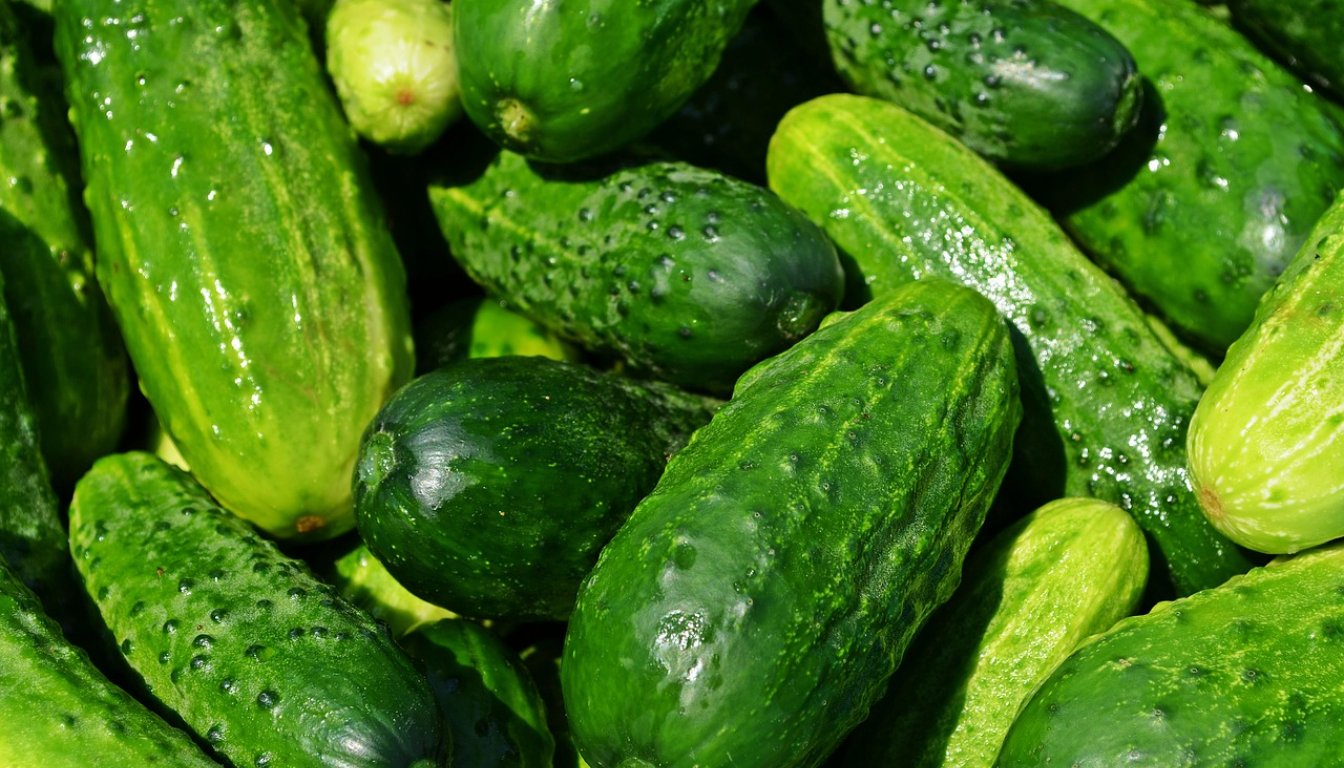
Cucumbers run into trouble in Chicago in a few recurring ways, and most trace back to the gap between this plant's tropical origins and a zone 6a spring.
Cold, wet soil is the first failure point. Seeds rot in the ground, or seedlings push up and then collapse at the soil line, leaving a patchy row. Cucumber seed and roots are built for warmth; below roughly 60°F germination stalls, and damp soil gives decay organisms the upper hand. Since April 10 is only an average last frost, half of springs still deliver cold snaps after it, so an early sowing lands in exactly that window. The prevention is patience backed by measurement: check soil temperature rather than the calendar, warm beds with black plastic or raised frames, and start transplants indoors so the roots never sit in cold ground.
Late frost and chilling injury come next. Overnight, tender leaves turn blackened and water-soaked; even frost-free nights in the 40s leave plants pale, stunted, and slow for weeks. Cucumbers have no frost tolerance, so their tissue simply freezes and ruptures. Keep row cover on hand for late cold and harden transplants gradually.
Water stress shows up as bitter, hooked, or pinched fruit and vines that wilt by afternoon. Cucumbers have shallow roots and a genuinely high water requirement, while large leaves transpire heavily; when moisture swings, the plant accumulates bitter compounds and drops blossoms. Mulch and drip irrigation that deliver a steady inch or so per week keep the root zone even.
Heat breaks pollination. Flowers fall without setting fruit, or fruit comes out misshapen, because pollen loses viability in high temperatures and bees grow less active. Consistent watering and pollinator-friendly planting around the vines help, and choosing varieties noted for heat tolerance gives you margin.
As vines age into late summer, crowded, humid foliage invites foliar problems — give plants airflow and remove spent leaves. How these pressures land depends on your beds' soil, drainage, and microclimate; a TheYardWise report tailors the timing and prevention steps to your specific garden.
→ See how your personalized garden plan comes together — watch a quick walkthrough.
Pro Tips for Cucumber Success in Chicago
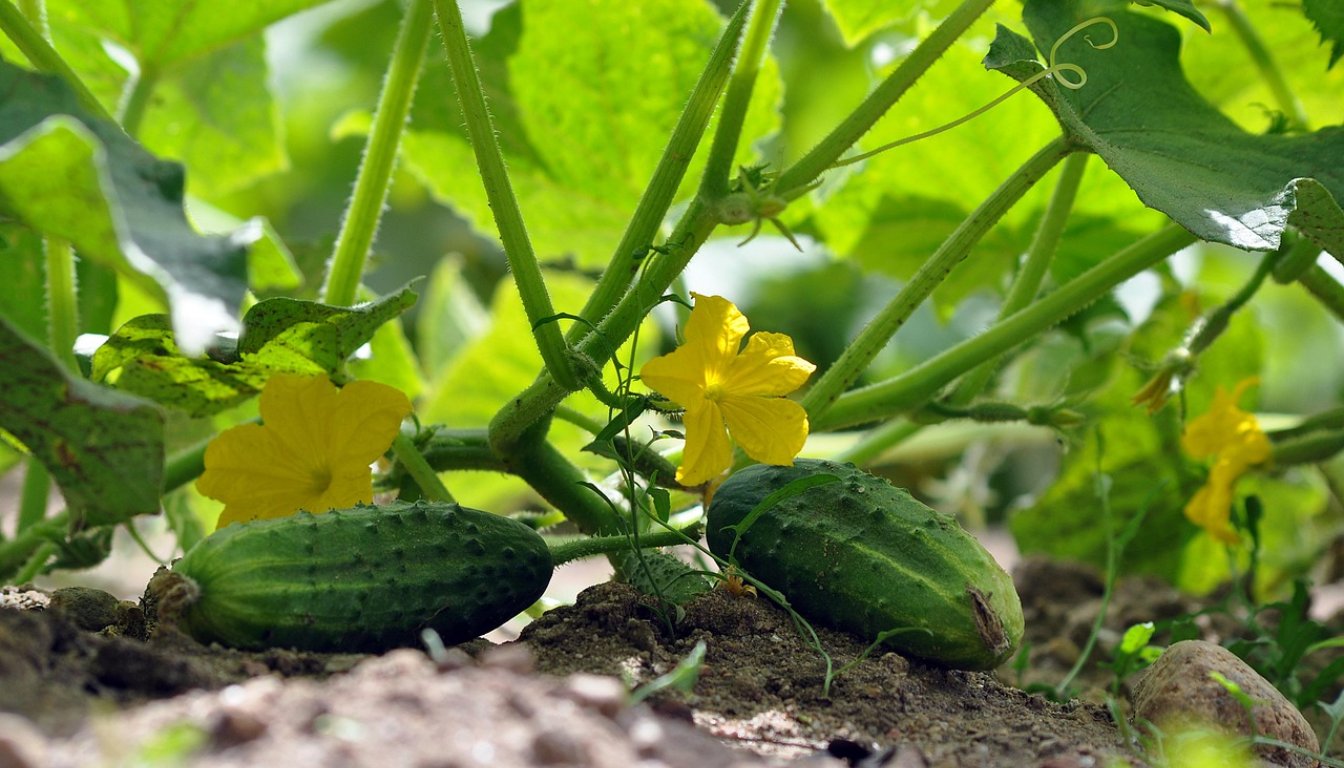
Give each plant room — and something to climb. Cucumbers want about two square feet per plant, and they earn that space back fast when you train them up a trellis or wire frame instead of letting them sprawl. Vertical growing keeps the fruit off the ground, which means cleaner cucumbers and far less rot when the summer turns rainy. It also improves airflow through the canopy, and airflow is what keeps foliar disease from gaining a foothold. Site the trellis in full sun; a cucumber in shade will vine heavily and fruit sparingly.
Build the bed before you build the vines. Cucumbers are heavy feeders with shallow, thirsty roots, so work several inches of compost into the top layer and make sure the site drains. Water deeply and less often rather than lightly and daily — you want moisture down where the roots actually are. Once flowering and fruiting begin, steady moisture matters most; letting the soil swing from bone-dry to soaked is what produces bitter, oddly shaped fruit. Water at the base in the morning and keep the leaves dry.
Manage the soil temperature deliberately. Cucumbers sulk in cold ground, so a week or two before you intend to plant, lay black plastic or a dark mulch over the bed to pull warmth into the soil. Once the plants are established and the ground has warmed, switch to an organic mulch to hold that moisture steady.
Plant radishes and dill nearby. Radishes are quick, shallow-rooted, and finish before the cucumbers need the space, so they earn their keep as a living row marker. Dill draws in the beneficial insects and pollinators cucumbers depend on for fruit set — though let a few dill plants flower after your cucumbers are well underway, since dill can inhibit them if it matures too early.
Your exact bed, soil, and microclimate will shift these details; a personalized report for your garden is where that gets specific.
Get Your Personalized Garden Plan
The general guidance above covers the common question fully: in Zone 6a, cucumbers are frost-gated and need soil warm-up after the April 10 average last frost, not just a cleared calendar date. What stays personal is your own ground. A sunny south-facing bed, a wind-exposed corner, or a heat-retaining wall against the house can each shift soil temperature and timing within the same zone. TheYardWise builds personalized garden plans from your exact location data, so those local differences are accounted for. See your planting plan for Chicago.