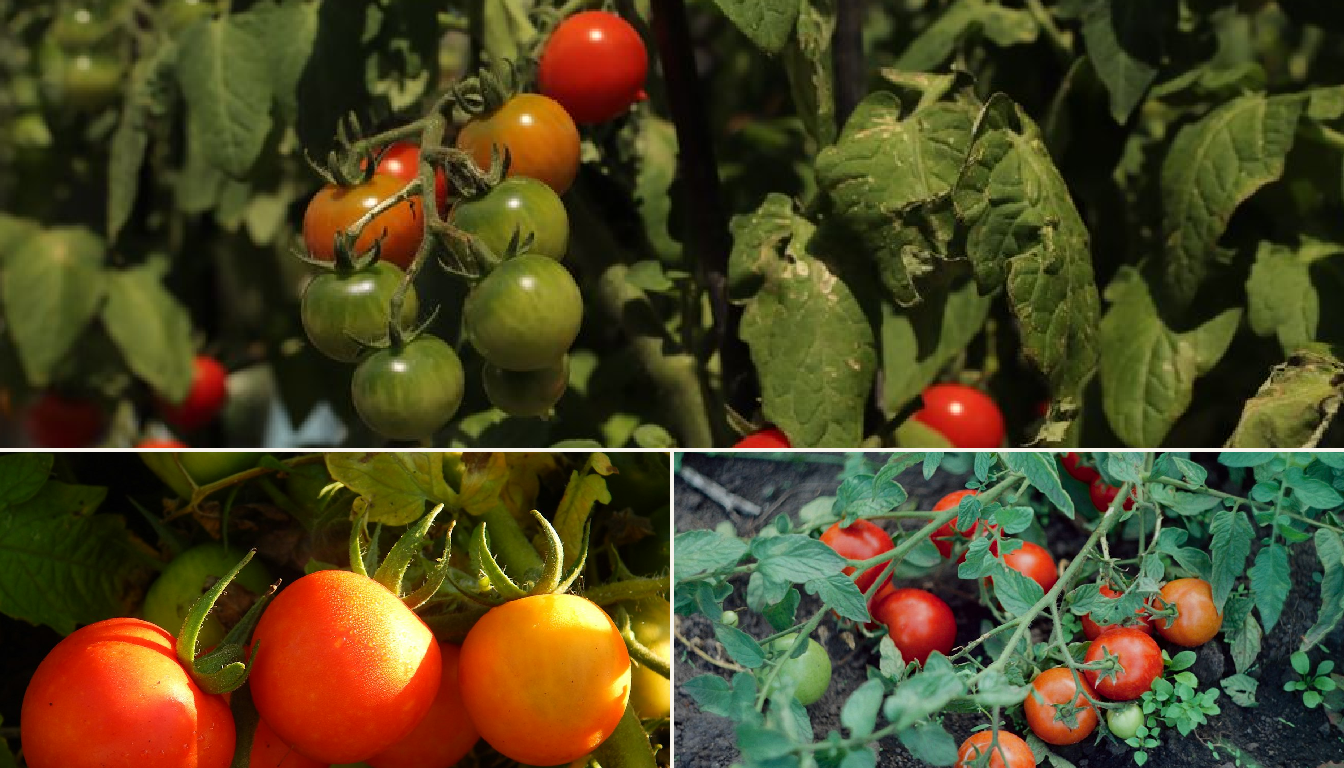
TheYardWise Assessment
- Suitability: ★★★★★ — Excellent — all core conditions met
- + Growing season and GDD are long enough for this crop.
- + Approx. 337-day growing season supports this crop.
- + No major climate blockers detected for this zone.
- Confidence: Medium
This guide uses city-level climate data. Your actual sunlight exposure, soil condition, and garden layout are not included. A personalized Garden Report adjusts these factors.
- Best Timing: After frost risk has passed (average last frost January 16), once the soil has warmed
- Main Advantage: The growing degree days in this zone are sufficient for Tomato to reach maturity.
- Key Advice: Use early-maturing varieties to maximize the warm-season window.
How this recommendation was determined
Recommendations are generated from TheYardWise’s climate, plant and planting-window data, reviewed against our published methodology.
- Recommended window: After frost risk has passed (average last frost January 16), once the soil has warmed
- Decision rules applied: Frost risk, Growing-degree maturity, Heat stress, Growing season
Understanding Phoenix's Climate for Growing Tomato
Walk outside on a mild January afternoon in Phoenix — sun on a south-facing wall, no frost in sight — and it's tempting to think tomato season has already started. That's the trap. Phoenix's 337-day frost-free window, running from an average last frost near January 16 to a first frost around December 18, is not a 337-day tomato season.
Zone 9b explains why frost barely matters here: winters rarely deliver a killing freeze, so the frost dates themselves are minor hurdles. The 4,644 growing degree days are the more telling figure. Tomatoes are warm-season plants, and that much heat accumulation pushes them through their growth stages quickly — a transplant that would crawl in a cooler climate moves fast here. The catch is what fast heat does to fruit set: sustained hot weather interferes with flowering and pollination, so the stretch of comfortable temperatures is narrower than the long season suggests.
Frost dates aren't the same as planting readiness, either. The January 16 average marks where frost risk fades, not where the ground is ready — tomatoes want warm soil beneath them, and that's a different clock entirely.
Treat the frost-free window as the outer boundary rather than the target. Practically, that means aiming tomatoes at the cooler margins of the season — a spring crop ripening before the heat settles in, and a fall crop using the long, mild autumn.
One more site factor: soils across the Southwest tend alkaline, and tomatoes generally prefer a slightly acid to neutral range around pH 6.6. Given how variable conditions are from yard to yard, a soil test is worth the trouble before amending.
Optimal Planting Window for Tomato in Phoenix
Don't set your tomato transplants out because Phoenix's last frost date has come and gone. That date — an average last frost of January 16 — marks when hard frost risk typically ends, not when your planting window opens. It's the earliest edge of what's possible. What actually gates tomatoes here is soil warm-up, and soil lags the calendar by weeks. The window is warm-season: after frost risk has passed and once the soil has genuinely warmed, running through the cooler stretch of spring before heat takes over. Treat it as a range that spans late winter into spring, not a day you circle.
Why the hold-up matters: a tomato in cold ground just sits there, taking up water and nutrients poorly, so a head start buys you nothing. Since this variety needs about 75 days to maturity, that clock only starts once the plant is actively growing — so count forward from the day you actually plant, not the day you hoped to.
Signals worth watching before you commit:
- Frost risk passed — mid-January is the earliest you'd consider it, not the green light.
- Soil warm to the touch and holding that warmth overnight, not just on a sunny afternoon.
- Nights no longer dipping near freezing, so transplants aren't shocked after dark.
Day length alone won't guide you much — tomatoes are day-neutral, so lengthening days matter mainly as confirmation that the warming trend is real rather than a warm spell that will snap back.
Your soil type, whether you're planting in the open ground or against a heat-holding wall, and the variety you pick all nudge that window. A personalized report tuned to your garden fills in the specifics.
Common Problems When Growing Tomato in Phoenix
Tomatoes in Phoenix tend to fail in a few predictable ways, and most trace back to heat and moisture swings rather than to any single pest.
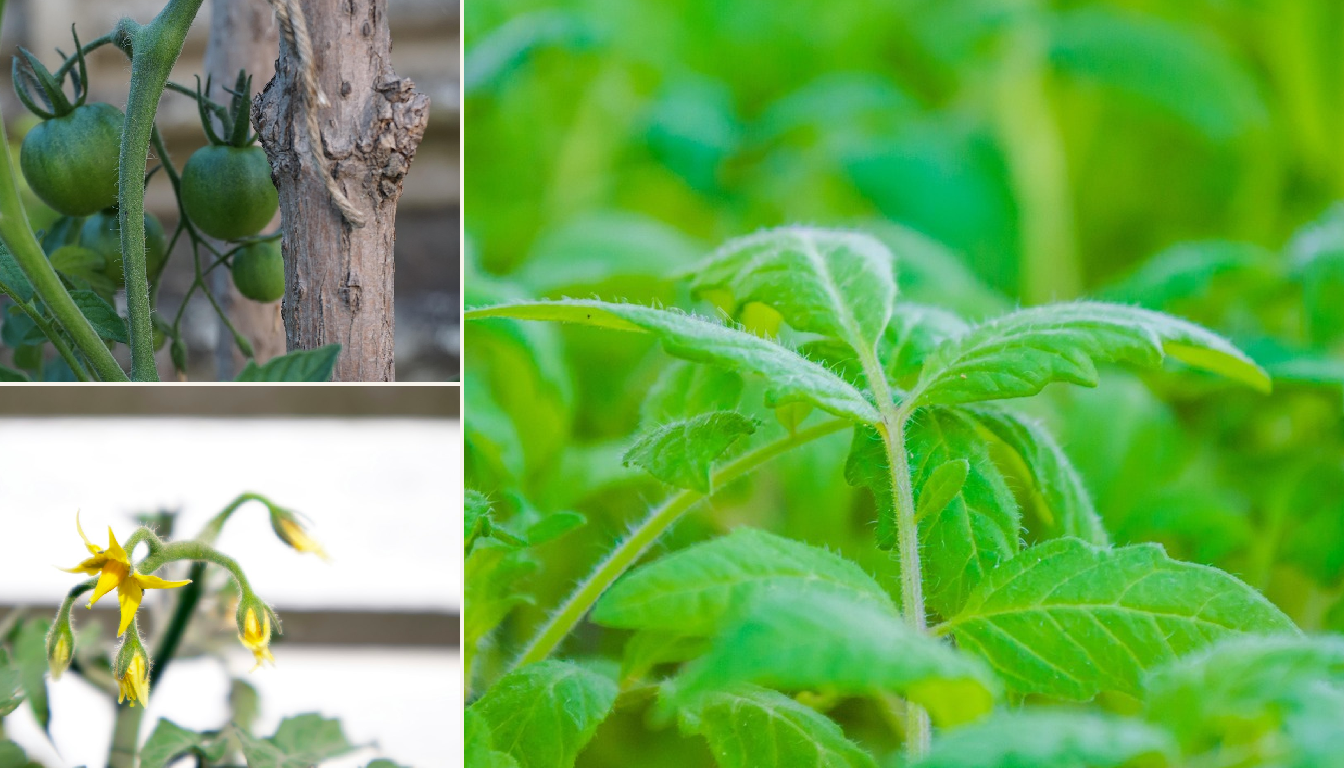
Blossom drop is the most common disappointment. Plants flower heavily, then the blooms yellow, dry, and fall without setting fruit. The cause is biological: tomato pollen is short-lived, and when nights stay warm and daytime heat is intense, pollen loses viability and fertilization fails even though the flower opened normally. Because this is physiology, not disease, prevention is about timing and resilience — aim for fruit set during the cooler shoulder of the season you're already targeting, lean on heat-tolerant varieties, and keep plants vigorous with steady moisture and light afternoon shade through the hottest stretch.
Blossom-end rot appears as a sunken, leathery brown or black patch on the bottom of the fruit. It is a calcium disorder, not an infection. Calcium reaches the fruit dissolved in the plant's water stream, so when desert soil dries sharply between irrigations the blossom end is starved of calcium even if the soil contains plenty. Mulch, deep and consistent watering, and avoiding excess nitrogen that pushes leafy growth ahead of root capacity are the general preventions.
Sunscald shows up as pale, papery, blistered patches on fruit that suddenly lose leaf cover. Intense solar radiation plus defoliation from heat stress exposes the fruit surface directly. Keeping foliage intact, pruning lightly rather than hard, and running shade cloth during peak heat are the usual protections.
Finally, spider mites — and the hot, dry, dusty conditions that favor them — produce stippled, bronzed leaves and fine webbing. Warm, dry air accelerates their reproduction while dust suppresses the predatory mites that normally hold them back. Reducing dust, keeping plants adequately watered, and avoiding broad-spectrum sprays that kill beneficials are the general approaches.
Because Phoenix pairs a long warm season with extreme summer intensity, prevention here leans on shade, mulch, and steady moisture rather than on reactive spraying.
→ See how your personalized garden plan comes together — watch a quick walkthrough.
Pro Tips for Tomato Success in Phoenix
Tomatoes will reward you in Phoenix if you get three things right: room, warmth, and water discipline.
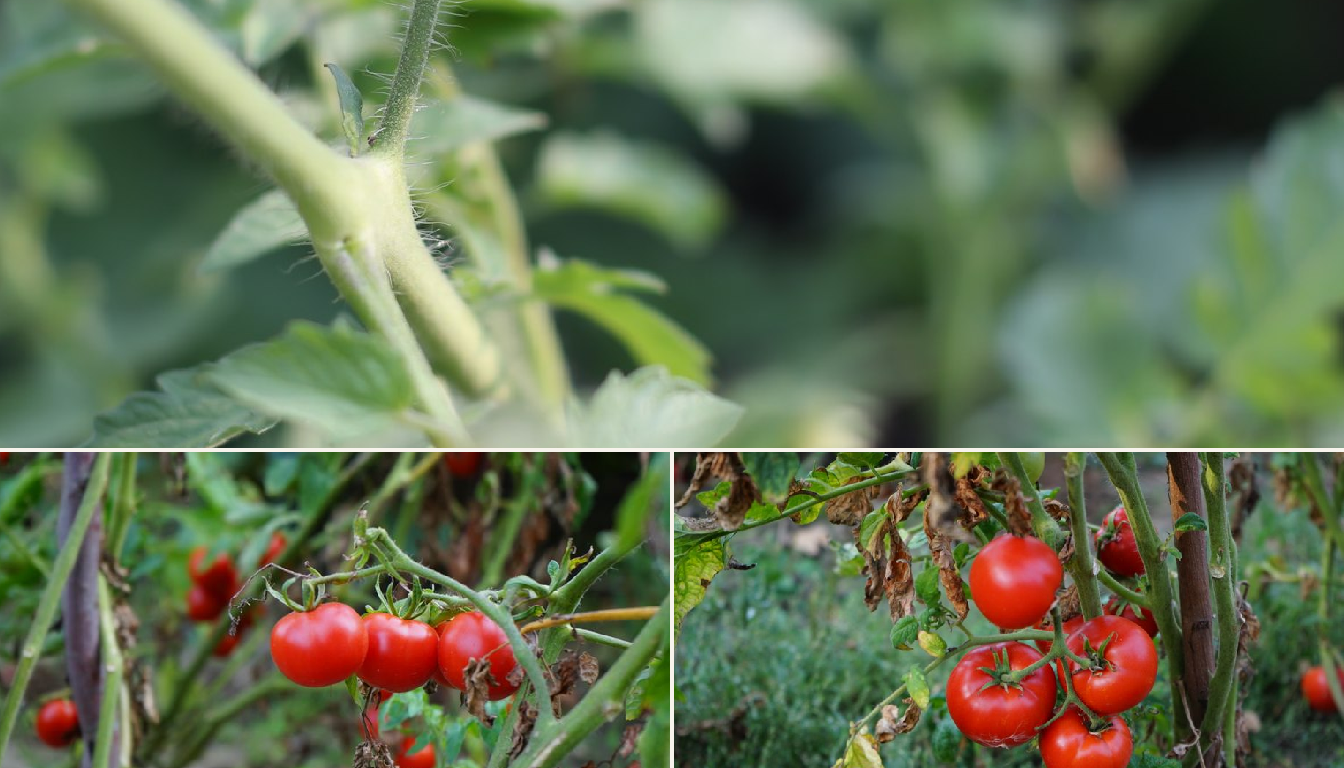
Space each plant at 4 square feet. That's not fussiness — crowded tomatoes in a low-desert zone 9b garden trap still air against the leaves, giving mites and foliar disease an easy foothold, while roots compete for the same moisture. That footprint also leaves room to stake or cage every plant, and tomatoes are a strong vertical candidate: training them upright lifts fruit off the ground, shades less of the bed, and makes harvest much easier on your back.
Warmth comes down to that same soil gate the planting window turns on. Set plants into soil that has genuinely warmed, not merely thawed. Put them out while the ground is still cool and they sit yellow and sulky, and early fruit set suffers; a week of patience past that point pays back the whole season.
Once they're growing, water deeply and less often instead of sprinkling daily. Soak the root zone and let the top inch or two dry between drinks. In containers, check daily through summer heat; in heavy clay, you can stretch the interval.
Full sun is what drives fruit production, and tomatoes want it. Even so, a spot that takes the full brunt of late-afternoon sun can scald exposed fruit, so a bed with strong morning sun and some late-day relief often performs best.
For companions, basil is the classic pairing: it wants the same sun, warmth, and steady moisture, so it tucks into the gaps without competing for space. Marigolds are the traditional second — long grown around tomatoes in warm-climate gardens, low-growing, and handy for covering the ground layer a staked tomato leaves bare.
Get Your Personalized Garden Plan
The general guidance above answers the common question for Phoenix tomatoes — zone 9b timing, letting soil warm after frost risk passes, and the rest. What it can't account for is your particular spot. A south-facing bed against a wall, a wind-exposed corner, or a patio that holds afternoon heat can shift soil temperature and frost exposure enough to move your planting date by a week or more, even within the same USDA zone.
That's where TheYardWise comes in: it builds a personalized plan from your exact location's climate data.
See your planting plan for Phoenix.