TheYardWise Assessment
- Suitability: ★★★★★ — Excellent — all core conditions met
- + Growing season and GDD are long enough for this crop.
- + Approx. 248-day growing season supports this crop.
- + No major climate blockers detected for this zone.
- Confidence: Medium
This guide uses city-level climate data. Your actual sunlight exposure, soil condition, and garden layout are not included. A personalized Garden Report adjusts these factors.
- Best Timing: After frost risk has passed (average last frost March 22), once the soil has warmed
- Main Advantage: The growing degree days in this zone are sufficient for Tomato to reach maturity.
- Key Advice: Use early-maturing varieties to maximize the warm-season window.
How this recommendation was determined
Recommendations are generated from TheYardWise’s climate, plant and planting-window data, reviewed against our published methodology.
- Recommended window: After frost risk has passed (average last frost March 22), once the soil has warmed
- Decision rules applied: Frost risk, Growing-degree maturity, Heat stress, Growing season
Understanding Portland's Climate for Growing Tomato
Growing tomatoes in Portland can be a rewarding experience, but the city's climate presents some unique challenges. One common issue gardeners face is determining the optimal time to plant tomatoes, as the frost-free window and the plant's preferred temperature range are not always aligned. Portland's USDA Zone 8b classification, with an average annual extreme minimum temperature of 15 to 20°F, indicates that the area experiences moderate winters. However, it's the growing degree days (GDD) that have a significant impact on tomato growth speed. With 1441 GDD, Portland's climate allows for relatively fast growth, but the primary limiting factor is soil warm-up after frost risk passes. The frost dates, March 22 to November 25, provide a general guideline for planting, but it's essential to consider the soil temperature and the plant's requirements. Tomatoes are warm-season crops, and they thrive in temperatures above 55°F. While the frost-free window in Portland is quite long, the soil may not be warm enough for optimal growth until later in the spring. This means that gardeners should wait until the soil has warmed up before planting tomatoes, rather than relying solely on the last frost date. By understanding the interplay between Portland's climate, soil temperature, and tomato physiology, gardeners can make informed decisions to ensure a successful harvest.
Optimal Planting Window for Tomato in Portland
When it comes to planting tomatoes in Portland, timing is crucial. As a warm-season crop, tomatoes thrive in temperatures above 60°F, making it essential to wait for the right moment to plant. The general planting window for tomatoes in Portland is after the frost risk has passed and the soil has warmed up. In USDA Zone 8b, where Portland is located, the average annual extreme minimum temperature is between 15 to 20°F. This means that the soil needs time to warm up after the last frost, which typically occurs around late March. To determine the right time to plant, watch for indicators such as soil temperature, day-length, and frost risk. Wait for the soil to warm up to at least 60°F, and make sure the risk of frost has passed before planting. With a days-to-maturity period of 75 days, tomatoes need a good head start on the growing season to produce a bountiful harvest. By waiting for these indicators to signal the right time, you can ensure that your tomatoes get off to a strong start and thrive in Portland's climate.
Common Problems When Growing Tomato in Portland
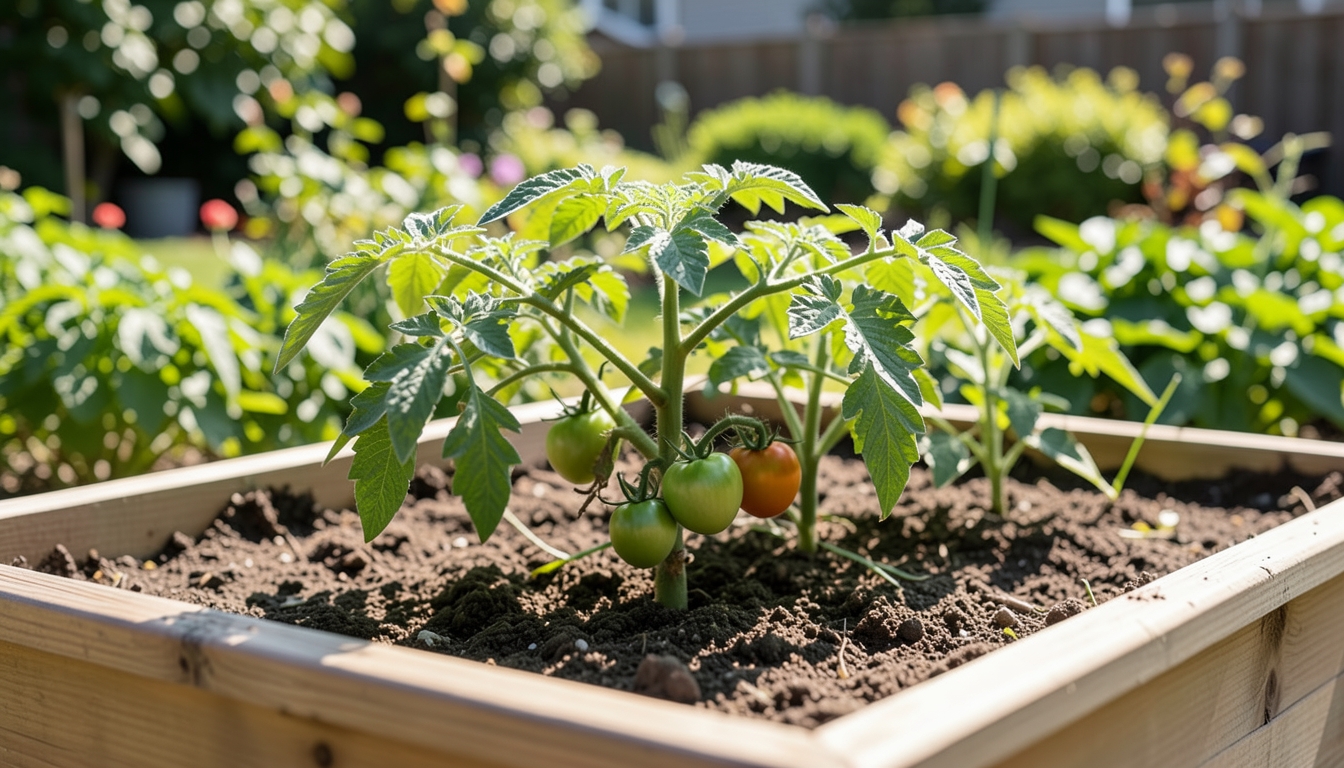
Growing tomatoes in Portland can be a rewarding experience, but it's not without its challenges. One common problem is blossom end rot, which appears as a brown or black lesion on the bottom of the fruit. The scientific cause of this issue is a calcium deficiency, often exacerbated by inconsistent watering and soil moisture fluctuations. To prevent blossom end rot, it's essential to maintain a consistent watering schedule and ensure that the soil has a balanced nutrient profile. Another issue that tomato growers in Portland may face is fungal diseases, such as early blight or septoria leaf spot. These diseases are caused by fungal pathogens that thrive in cool, wet conditions. Given Portland's climate, it's crucial to promote good air circulation around plants and remove any infected leaves or stems to prevent the spread of disease. Additionally, using crop rotation and sanitation techniques can help reduce the risk of fungal diseases. Tomato plants in Portland may also be susceptible to heat stress, particularly during periods of high temperatures. As a tender plant, tomatoes are sensitive to extreme temperatures, and heat stress can cause damage to the plant and reduce fruit production. To mitigate this risk, it's essential to provide tomatoes with adequate shade, especially during the hottest part of the day, and ensure that the soil is consistently moist to help regulate the plant's temperature.
→ See how your personalized garden plan comes together — watch a quick walkthrough.
Pro Tips for Tomato Success in Portland
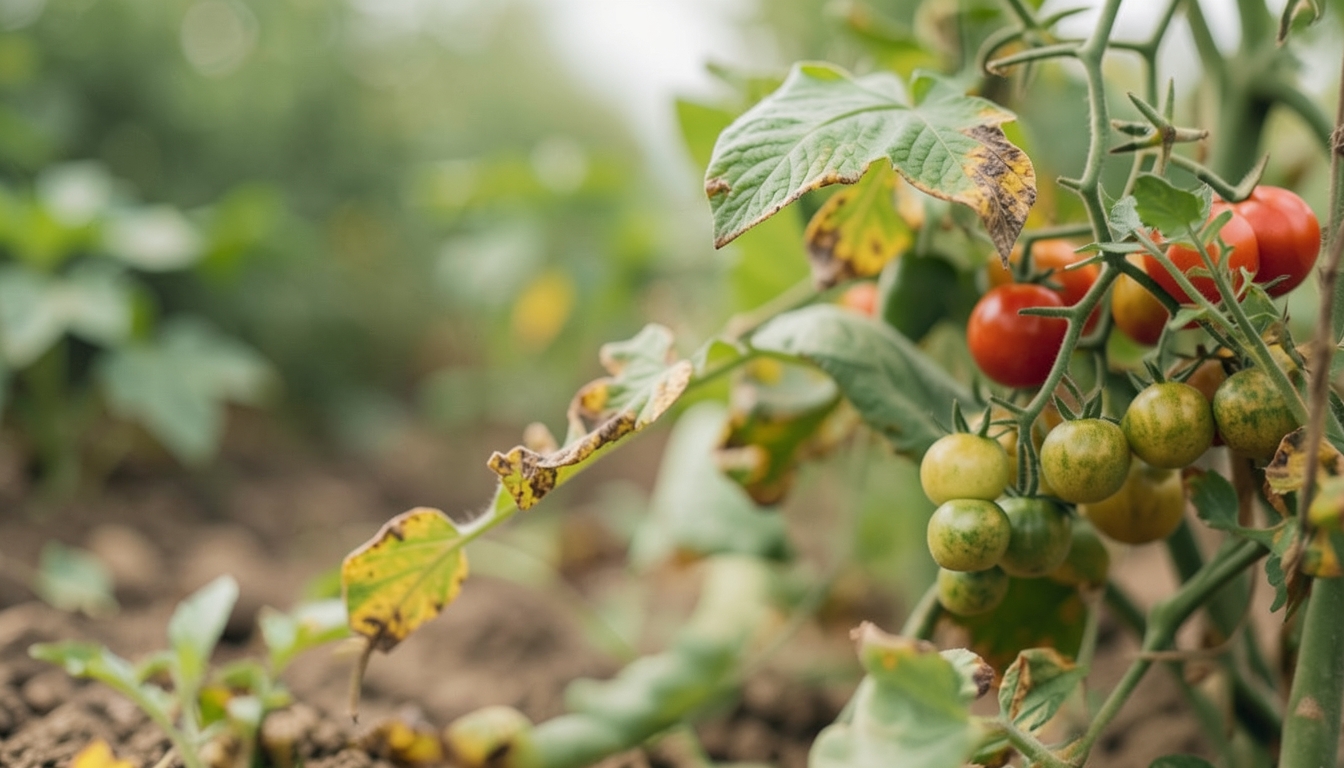
Growing tomatoes in Portland requires careful consideration of several key factors. First, providing full sun is essential, as tomatoes need direct sunlight to produce a bountiful harvest. When it comes to spacing, allocating 4 square feet per plant is crucial, allowing for good air circulation and reducing the risk of disease. Tomatoes can also be grown vertically, which is a great option for gardeners with limited space. This method not only saves space but also helps to keep the plants clean and organized, making it easier to care for them. In terms of companion plants, although specific recommendations are not available, it's generally known that tomatoes benefit from being planted alongside basil and marigold. Basil repels pests that can damage tomatoes, such as whiteflies and aphids, while marigold repels nematodes, which can harm tomato plants. Soil and watering management are also vital for successful tomato growth. While specific guidance is not available, it's essential to ensure that the soil is warm and well-draining, as tomatoes are sensitive to cool and waterlogged soil. By following these tips and considering the specific needs of your tomato plants, you can enjoy a healthy and productive harvest in Portland.
Get Your Personalized Garden Plan
While general guidance provides a good starting point, every garden is unique due to its microclimate conditions. A sunny south-facing bed, a wind-exposed spot, or a heat-retaining corner can behave differently even within the same USDA zone. TheYardWise uses local climate data to create personalized garden plans. See your planting plan for Portland to get tailored advice for growing tomatoes in your specific conditions.