Why Are My Cucumbers Dying: A Los Angeles Gardener's Guide to Diagnosis
Understanding Los Angeles's Climate for Growing Cucumber
On a mild January afternoon in Los Angeles, a sunny bed can feel warm enough to sow cucumbers — and waiting is the better call. The January 4 average last-frost date marks when hard frost risk typically ends, not when the soil is ready. Cucumbers need ground that has warmed and stayed warm; cold, damp soil stalls germination and invites rot, so the gate is soil temperature and sustained warmth, which trails the frost date.
Zone 10a explains why this is fundamentally cucumber-friendly ground: winters rarely deliver killing cold. With 3,251 growing degree days — accumulated heat that drives plant development — and a 361-day growing season, once cucumbers are up, growth and fruiting move quickly.
Heat cuts both ways, though. The same warmth that accelerates growth makes midsummer stressful; the data flags Los Angeles summers as too hot for most vegetables, and cucumber carries downy mildew, powdery mildew, bacterial wilt, gummy stem blight and a virus complex, with whitefly, cucumber beetle and melon fly all present. Heat also works against pollination and fruit set.
So treat the cooler margins of the frost-free window as cucumber's sweet spot rather than the whole of it: aim to have plants established and fruiting before the hottest stretch, then lean on the shoulder seasons. Soil pH is the one thing you can worry about less — cucumbers manage 5.5 to 8.5 — so temperature and timing shape your results far more than chemistry does.
Optimal Planting Window for Cucumber in Los Angeles

That soil-temperature gate is what shapes the entire planting window, and it is the part most often flattened into a single date. A cucumber seed dropped into cold, wet ground tends to rot or stall, and the vine never catches up. Since the crop needs roughly 60 days to maturity, when you start also decides which part of the season you'll be picking in.
So the window isn't a fixed set of dates. The average last frost for Los Angeles falls around January 4, which tells you when hard frost risk is essentially over — but that's the earliest point worth considering planting, not the start of the season. The real gate is soil warm-up, which lags frost by weeks. Plan on the later stretch of the cool season running into spring, and let the soil tell you when it's actually ready rather than trusting a date on a packet.
What to watch for:
- Soil warmth, a few inches down. If it still feels cold against your skin, wait. Cucumbers want soil that has genuinely warmed through, not just thawed at the surface.
- Nights staying mild. Check the forecast for cold snaps. A warm afternoon doesn't protect seedlings from a chilly night.
- Active growth around you. Weeds germinating and bare ground drying out are reliable signs the soil has turned the corner.
Two signals drive all of this. Lengthening days and a rising sun angle are what heat the ground in the first place, so the window widens through spring. And because the 60-day clock is fixed, a late start pushes fruiting deeper into the hottest part of summer, when pollination and fruit set get harder for cucumbers. Early enough to beat the cold, early enough to finish before the heat peaks — that's the balance you're aiming for.
Your own garden shifts this a little. A south-facing bed against a heat-retaining wall warms sooner than an exposed, wind-cooled corner, so the same city can hold two different windows — which is where a personalized TheYardWise plan starts from your own soil rather than the city average.
Common Problems When Growing Cucumber in Los Angeles

Failures here come in a handful of predictable shapes, and most trace back to two facts about the plant: it is tender and shallow-rooted, and it is a heavy water user trying to grow in a climate of dry air, warm winds, and cool, damp mornings.
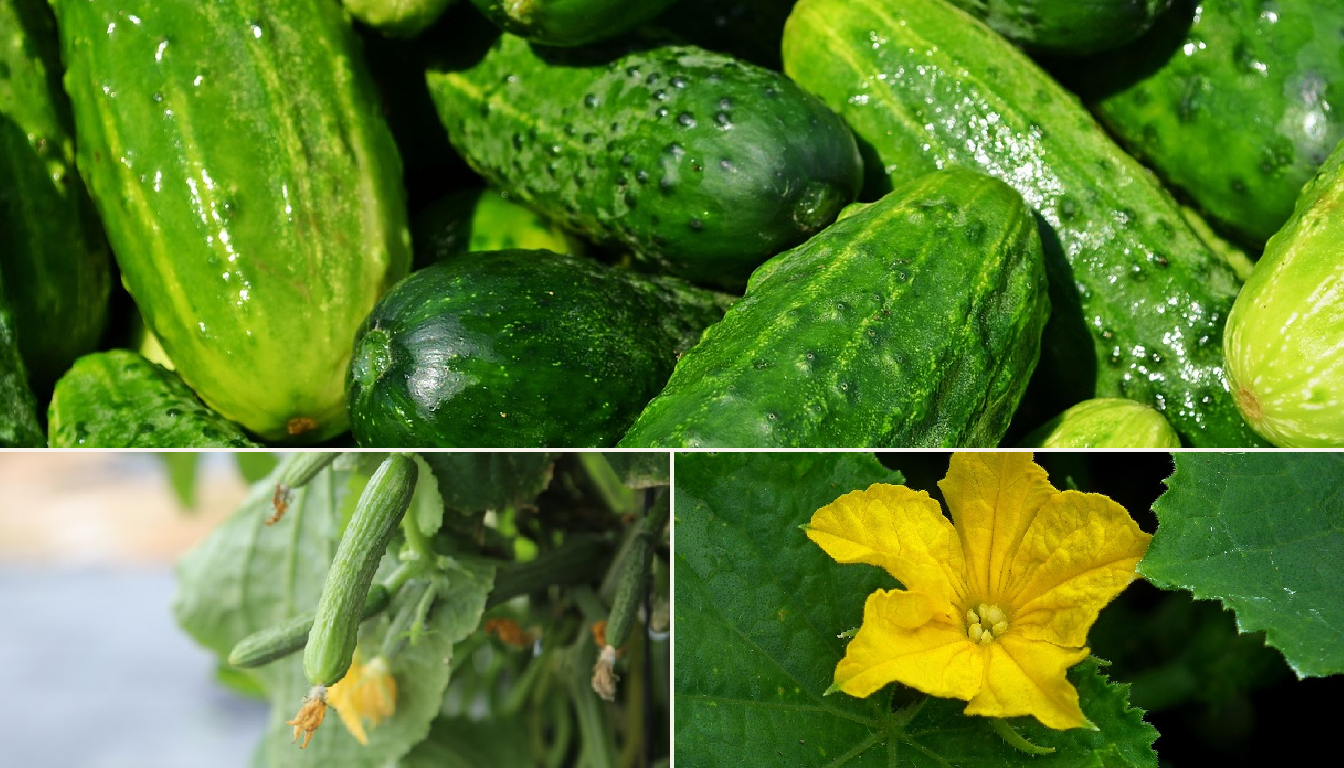
Poor fruit set and flower drop. The vine looks vigorous and produces plenty of yellow flowers, but few cucumbers follow, and the fruit that does form is small or lopsided. The cause is largely reproductive: cucumber pollen loses viability as temperatures climb, and unpollinated female flowers yellow and abort rather than swell. When transpiration outpaces what the shallow roots can pull from the soil, the plant also sheds developing fruit to protect itself. Prevention is mostly about buffering the heat: keep moisture steady through the fruiting period, harvest frequently to keep new flowers coming, and consider an afternoon-shade microclimate for the hottest weeks.
Water stress, bitterness, and misshapen fruit. Cucumbers that curl, pinch in the middle, or turn bitter near the stem end are telling you about irrigation, not disease. Cucurbitacins, the compounds behind bitterness, accumulate when the plant is stressed, and uneven cell expansion during a dry-then-soaked cycle deforms the fruit. With a high water requirement and roots concentrated near the surface, LA's low humidity and drying winds push transpiration up fast. Deep, consistent watering plus mulch to hold surface moisture prevents most of it.
Powdery mildew. White, floury patches appear first on upper leaf surfaces, then leaves yellow, crisp, and the vine declines. Unlike most fungal diseases, powdery mildew does not need leaf wetness to germinate — warm days with humid nights are enough, and the coastal marine layer plus crowded foliage supplies exactly that. Space plants for airflow, choose resistant varieties where available, avoid late-day overhead watering, and remove affected leaves early.
Failure at planting. Seeds that rot, patchy germination, or seedlings that sit still and yellow usually mean the soil was still cool. Cucumber is tender, and both germination and root growth stall in cold ground — which is why this crop is gated by soil temperature rather than the calendar. Warm the bed first with black plastic or a raised bed, start transplants indoors, and hold off on heavy watering of cold soil.
Which of these bites first depends on your microclimate and what is already living in your soil — a variable no citywide guide can settle for you.
Pro Tips for Cucumber Success in Los Angeles
Timing aside, the vines are mostly won on two things you can control directly: warm soil and steady moisture. Get those right and they largely take care of themselves.
Plant into full sun — this is a warm-season crop, and in Zone 10a a bed against a heat-retaining wall or a south-facing slope will push growth noticeably ahead of a shaded corner. Before anything goes in the ground, wait until the soil has actually warmed; seed or transplants sitting in cold soil will stall or rot rather than sprout. Compost worked in ahead of planting both feeds the vines and warms and drains the bed faster, which is what you want in a long, dry summer.
Give each plant about 2 square feet, and use that footprint vertically rather than letting vines sprawl. Cucumbers are excellent trellis candidates — training them up keeps fruit clean and straight, and the airflow around the foliage is your best defense against the mildew problems that show up when leaves sit stacked and damp.
Water deeply and consistently at the base rather than with a daily light sprinkle. Cucumbers are mostly water, and shallow watering builds shallow roots that sulk the moment a hot, dry stretch arrives. Drip irrigation on a timer plus a layer of mulch keeps moisture even and keeps foliage dry — a real advantage in Zone 10a's arid summers.
For companions, dill and bush beans are the classic pairings. Dill's flowers pull in the beneficial insects and pollinators that improve fruit set, while bush beans fix nitrogen and double as a low living mulch beneath the trellis.
Your own bed's soil, shade patterns, and watering rhythm are what decide how these general tips actually play out.
Get Your Personalized Garden Plan
The general guidance above answers the common question: in Los Angeles, cucumbers are frost-gated and depend on soil warm-up, so timing matters more than effort. That part holds for almost any garden here.
What it can't account for is your specific ground. A sunny south-facing bed, a wind-exposed corner, or a heat-retaining wall can shift soil temperature and frost exposure enough to change when cucumbers thrive — even within the same USDA zone.
TheYardWise builds personalized garden plans around your exact location data, so those local differences are worked in rather than averaged out.
See your planting plan for Los Angeles.
Data Sources & Methodology
Climate
External Source: Open-Meteo ERA5 30-year historical climate (archive-api.open-meteo.com) · USDA Plant Hardiness Zone Map
- USDA Plant Hardiness Zone: 10a
- Average Last Spring Frost: January 4
- Average First Autumn Frost: December 30
- Growing Degree Days: 3251
- Approx. Growing Season Length: ~361 days
Plant
Internal Knowledge Base: TheYardWise Plant Database · Crop Agronomy Database
- Frost Tolerance: Tender
- Days to Maturity: 60
- Typical Zone Soil pH Range: 5.5–8.5 (target ~7)
Decision Rules
TheYardWise Agronomy Rules Engine:
- Frost Risk Evaluation
- GDD / Heat-Accumulation Rule
- Heat Stress Evaluation
- Growing Season Rule
Decision Trace
Recommendation: After frost risk has passed (average last frost January 4), once the soil has warmed
Data: Average last frost January 4; first fall frost December 30; crop frost tolerance: Tender
Rule: Frost Risk Evaluation
Source: Open-Meteo ERA5 30-year historical climate (archive-api.open-meteo.com)
Recommendation: Heat-stress window bounds the usable planting season
Data: Heat exposure: 3 month(s)/yr where average high exceeds the crop's optimal upper bound (86°F); heat-stress days (Tmax >90°F): 55; lethal-heat days (Tmax >95°F): 19
Rule: Heat Stress Evaluation
Source: Open-Meteo ERA5 30-year historical climate (archive-api.open-meteo.com)
Recommendation: Growing degree days (3251) support the crop's heat-unit maturity requirement
Data: Growing Degree Days: 3251
Rule: GDD / Heat-Accumulation Rule
Source: Open-Meteo ERA5 30-year historical climate (archive-api.open-meteo.com)
Recommendation: Growing season (~361 days) supports this crop
Data: Approx. Growing Season Length: ~361 days
Rule: Growing Season Rule
Source: Open-Meteo ERA5 30-year historical climate (archive-api.open-meteo.com)
Recommendation Confidence: Medium
Reviewed: September 2026