When to plant sweet peas portland
Understanding Portland's Climate for Growing Pea
Portland's frost-free window tells you when frost won't kill peas — not when peas are actually comfortable. That distinction is the heart of growing this crop here. The city sits in USDA Zone 8b, a rating of winter cold: it describes how low temperatures typically drop on the coldest nights, and for a cool-season crop like peas, winter chill is rarely the enemy. The enemy is warmth, and warmth arrives inside the frost season's borders.
The frost-free window runs from April 1 to October 1, a 183-day stretch when temperatures stay above freezing. Read alone, that looks generous. But peas prefer the cooler margins of that window, not the whole of it. The warm middle months are exactly the period when heat pushes pea plants to stop setting pods. So the long frost-free season is both opportunity and trap: it suggests an extended growing year, while the plant's biology narrows the comfortable parts to spring's start and fall's approach.
Portland's 3200 growing degree days reinforces that picture. GDD sums the heat available to drive growth; the higher the total, the faster plants move through their life cycle. For peas, a quick build of warmth is not a bonus — it accelerates them through flowering and into heat stress rather than extending productivity. That is why the spring window, before sustained heat sets in, and the fall window, as temperatures cool, are where this climate genuinely suits the crop — the cool bookends of a season otherwise shaped around warmth.
Optimal Planting Window for Pea in Portland
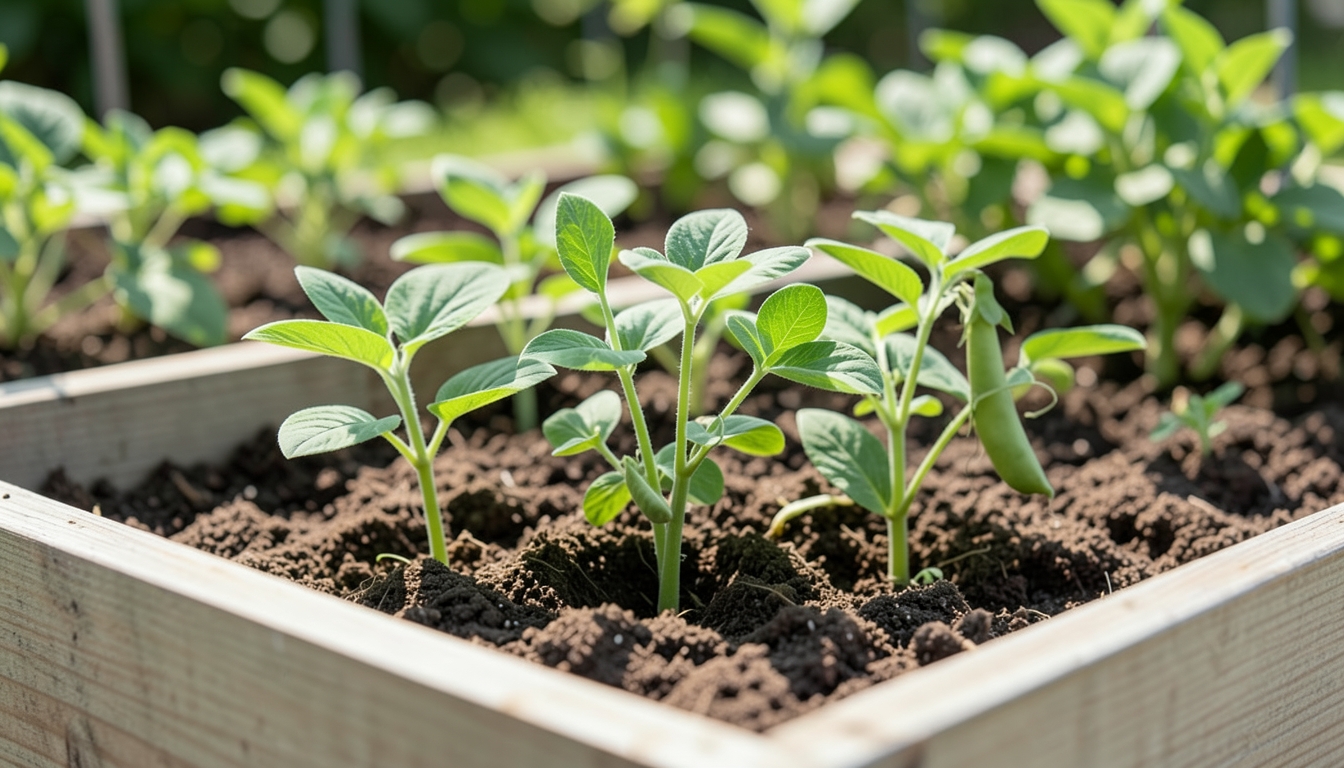
In Portland, timing for peas is about dodging heat. Peas are a cool-season crop that needs roughly 60 days to mature, and sustained summer heat is the factor that shuts them down. That gives you two planting windows, not one: early in the season before heat settles in, and again late in the season as temperatures cool back below the heat-stress threshold.
The honest answer is that this range is qualitative rather than a fixed set of calendar dates; it follows from pea physiology plus the zone 8b reference, not from a Portland-specific climate schedule you could pin down in advance. Think of the spring window as the cooler part of spring — soil workable, cool mornings still the norm, with enough room ahead to fit 60 days of growth before sustained heat arrives. Because those 60 days are fixed, the math matters: a sowing made early in the cool part of spring finishes before the heat wall, while the same sowing pushed later can hit sustained heat while still flowering — exactly when peas stop producing. The fall window runs in reverse: wait until the heat has broken, then sow so those 60 days play out as the season trends cooler and days shorten.
Watch signals, not dates:
- Spring cue: soil is workable and cool, and sustained heat is not in the near-term forecast — you want the full 60 days before warm weather locks in.
- Fall cue: temperatures have dropped below the heat-stress threshold and are trending cooler, with 60 days of cooling weather ahead.
- Rule of thumb: temperature beats the calendar. If heat has already arrived, hold off for the next window — peas would rather be a little cold than a little hot. Day length simply tells you which way the season is heading: lengthening toward summer, or shortening toward fall.
Common Problems When Growing Pea in Portland
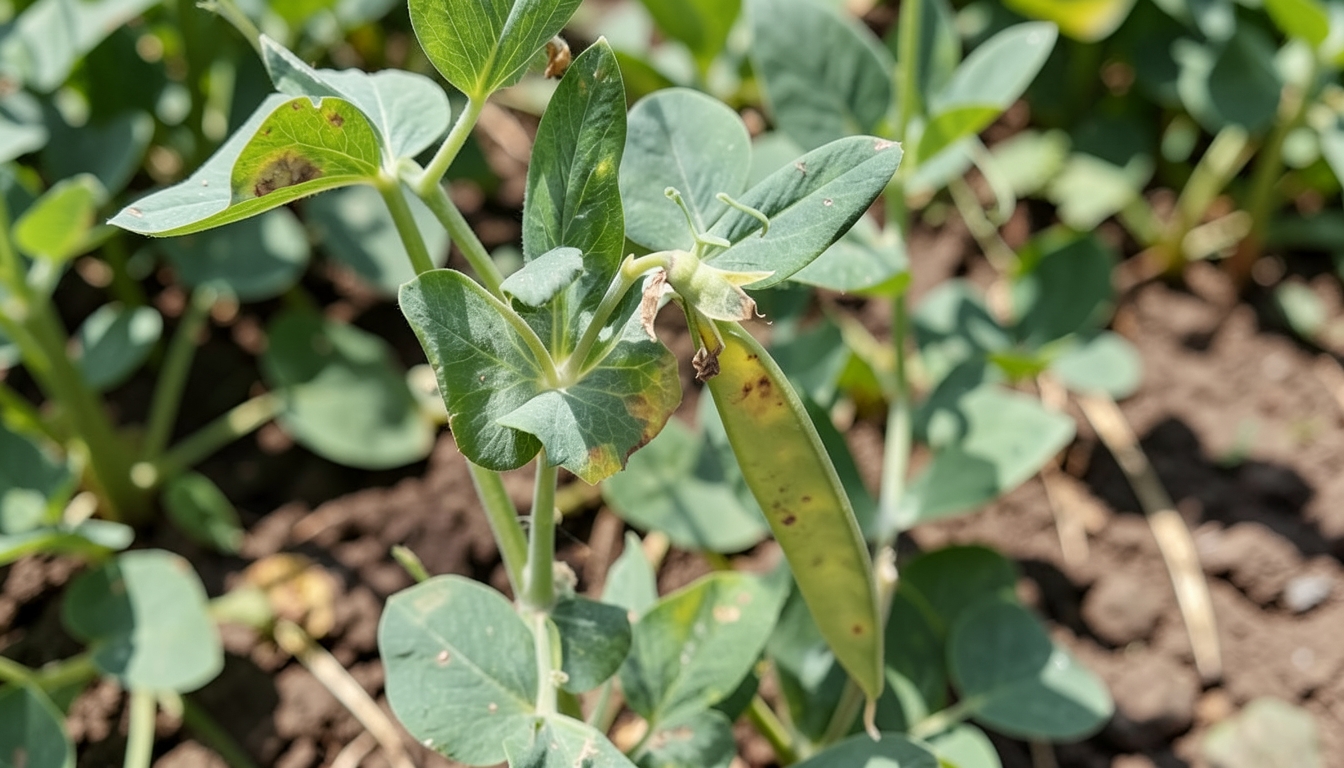
Peas in Portland usually fail in one predictable way: they run out of cool weather just as they hit their stride. Because Zone 8b can slide into sustained warmth quickly, the spring crop has a narrow productive life. Here's what commonly goes wrong — and what to do about it.
Heat shuts down flowering and pod set. Vines look fine, even vigorous, but blossoms drop, pods stay thin, and the peas that do form turn starchy rather than sweet. Peas are cool-season plants; warm temperatures disrupt pollination and speed the conversion of sugars to starch in developing seeds. Heat is Portland's primary limiting factor for this crop, which is why the spring window sits early and a fall window exists at all. Prevention: plant at the earliest edge of the spring window so the harvest lands in cool weather, and mulch to keep roots cool. If the spring crop is cut short, the fall window is your second chance.
Powdery mildew. A white, powdery coating spreads over older leaves, which turn yellow and die, and heavy infection weakens the plant before pods fill. It thrives with warm days and cool, humid nights — the transitional weather as spring tips toward summer — and it moves fastest when plants are crowded and air can't circulate. Prevention: space plants generously, water at soil level rather than overhead, and aim to finish the crop before humid warmth builds.
Seeds rot in cold, wet soil. You plant, wait, and nothing emerges, or a few weak seedlings collapse at ground level. Pea seeds are hardy, but if they sit in saturated, slowly warming soil, they can rot before germinating. Prevention: wait until the bed drains and the soil has begun to warm slightly, and plant in well-drained or raised beds rather than heavy ground.
A warm spell at flowering. Peas are frost-hardy, so cold is rarely the enemy. The subtler risk is an unseasonably warm stretch right at bloom, which makes flowers abort before pods form. Prevention: time the planting so bloom happens before sustained heat, and if an early hot spell arrives, a bit of shade cloth over the vines during the hottest part of the day can protect the flowers.
Pro Tips for Pea Success in Portland
Peas reward a little upfront support, and the two moves that matter most in Portland are getting them off the ground and keeping their roots cool and evenly moist.
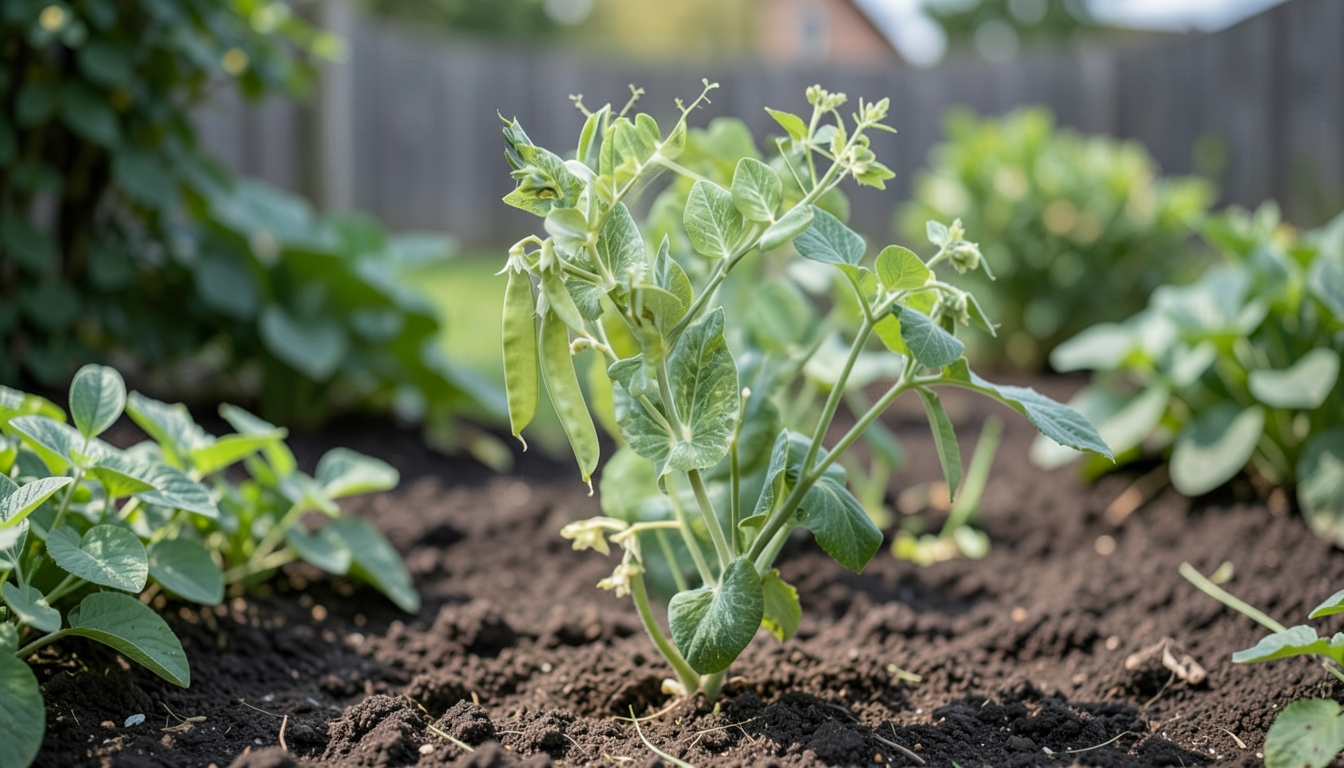
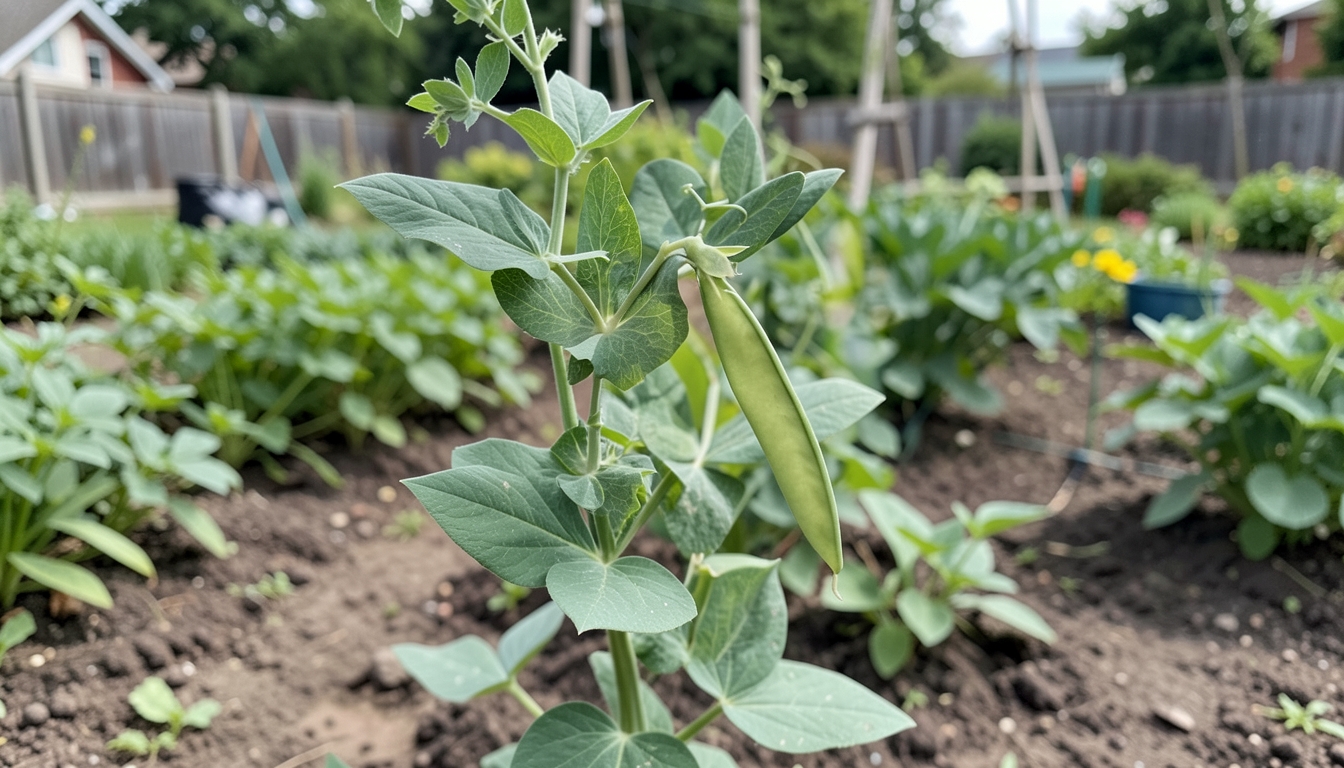
Give them something to climb from day one. Peas are natural climbers, so set up a trellis, netting, or vertical strings at planting time. Growing upward keeps pods cleaner and easier to pick, and the extra airflow around the foliage pays off in Portland's damp spring conditions, where crowded, wet leaves invite disease. If your spring bed isn't in full sun yet, that's fine — peas are one of the few crops that perform well in partial shade during the cool season.
Plant them close but not crowded. Each plant needs roughly a quarter square foot, which works out to about four plants per square foot, or seeds spaced six inches apart in each direction. Since they're climbing, that tight footprint is exactly right — you get a dense, productive row without wasting bed space.
Keep moisture steady and the soil surface cool. Pea roots are shallow, so they're quick to suffer when the soil swings between dry and soggy — and heat is what shortens a pea harvest here. Lay a light mulch around the seedlings to hold even moisture and keep the root zone cool. Water deeply enough to reach the full root depth, and check more frequently if your bed runs warm or you're growing in containers, which dry out faster than the ground.
As for neighbors, carrots and radishes are classic companions. Radishes sprout quickly, marking the row and loosening the soil surface, while carrots stay low-key and don't compete for the space the peas are using overhead.
Get Your Personalized Garden Plan
The guidance above should answer the common question of when to plant peas in Portland’s zone 8b — aim for the cool early season and a late-season window, avoiding the heat. But every garden is unique. A sunny south-facing bed, a wind-exposed spot, or a heat-retaining corner can shift those dates noticeably even within the same USDA zone. That’s where TheYardWise comes in. Using local climate data tied to your exact location, it generates a personalized garden plan that accounts for your microclimate, so you can plant with confidence.
Data Sources & Methodology
Climate
External Source: USDA zone reference table · USDA Plant Hardiness Zone Map
- USDA Plant Hardiness Zone: 8b
- Average Last Spring Frost: April 1
- Average First Autumn Frost: October 1
- Growing Degree Days: 3200
- Approx. Growing Season Length: ~183 days
Plant
Internal Knowledge Base: TheYardWise Plant Database · Crop Agronomy Database
- Frost Tolerance: Hardy
- Days to Maturity: 60
- Typical Zone Soil pH Range: 5–8.2 (target ~6.6)
Decision Rules
TheYardWise Agronomy Rules Engine:
- Frost Risk Evaluation
- GDD / Heat-Accumulation Rule
- Heat Stress Evaluation
- Growing Season Rule
Decision Trace
Recommendation: Early in the season, before sustained heat sets in
Data: Average last frost April 1
Rule: Heat Stress Evaluation
Source: USDA zone reference table
Recommendation Confidence: Medium
Reviewed: August 2026