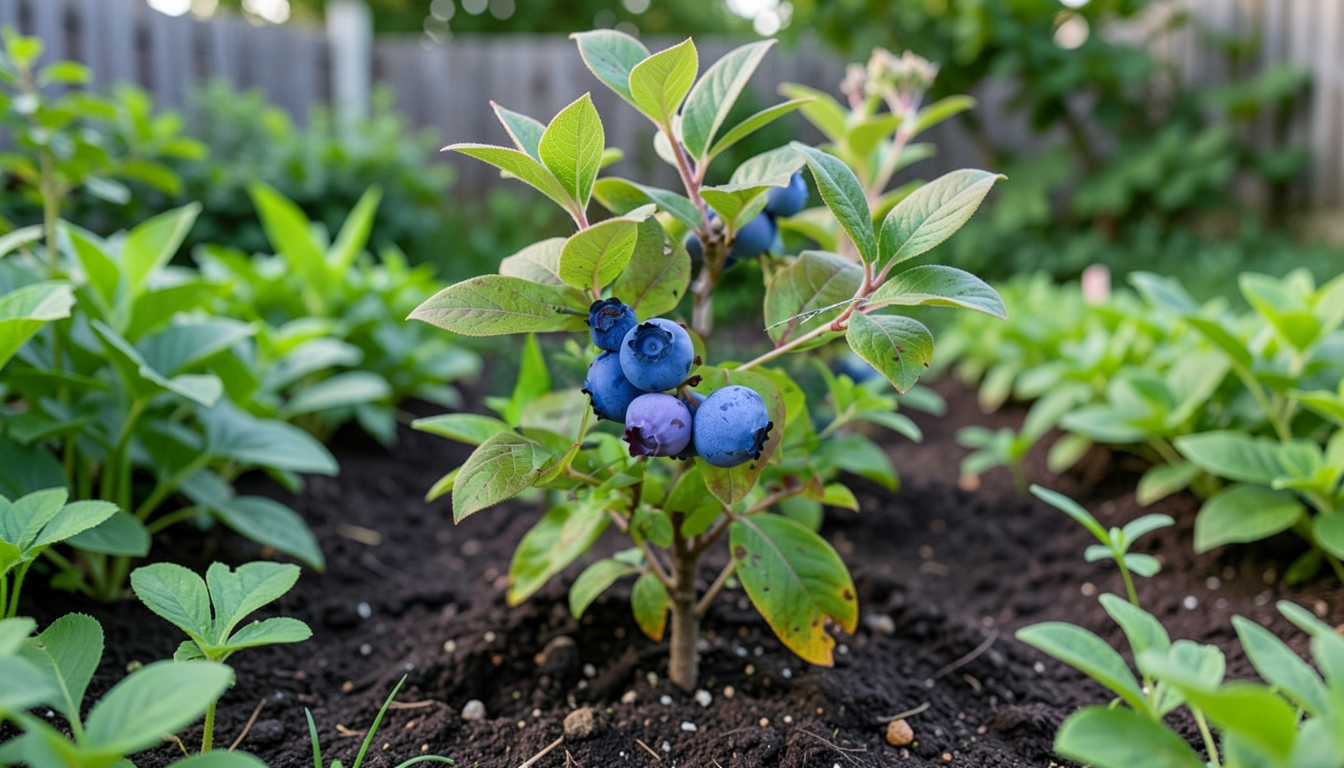
TheYardWise Assessment
- Suitability: ★★★★★ — Excellent — all core conditions met
- + Growing season and GDD are long enough for this crop.
- + No major climate blockers detected for the plant's general requirements.
- Confidence: Medium
This guide uses city-level climate data. Your actual sunlight exposure, soil condition, and garden layout are not included. A personalized Garden Report adjusts these factors.
- Best Timing: Generally after frost risk has passed and the soil has warmed — for Zone 5 that is typically mid-to-late spring.
- Main Advantage: The growing degree days in this zone are sufficient for Blueberry to reach maturity.
- Key Advice: Cool-season crop — prioritize early planting and succession sowing.
How this recommendation was determined
Recommendations are generated from TheYardWise’s climate, plant and planting-window data, reviewed against our published methodology.
- Recommended window: Generally after frost risk has passed and the soil has warmed — for Zone 5 that is typically mid-to-late spring.
Direct Answer
When growing blueberries in Zone 5, gardeners often assume they must settle for limited variety selection due to cooler temperatures and a shorter growing season. However, several varieties are bred to thrive in Zone 5's unique conditions. The key to finding the best blueberry varieties for Zone 5 is to look for those classified as 'northern' or 'half-high' varieties, which are more cold-hardy and tolerant of the cooler temperatures and shorter growing season. Examples include 'Duke', 'Bluecrop', and 'Patriot', known for their high yields, excellent flavor, and ability to thrive in Zone 5's climate. Another important factor is the chill hour requirement, with Zone 5 requiring around 800-1,000 hours, lower than in warmer climates. Varieties like 'Tophat' or 'Northblue' have a lower chill hour requirement and can thrive in Zone 5. Considering specific growing conditions, blueberries prefer well-draining acidic soil with a pH between 4.0 and 5.5, consistent moisture, and full sun to partial shade. Regular fertilization, especially in the spring, also benefits them. By choosing varieties bred for cold hardiness, low chill hour requirements, and tolerance of Zone 5's unique growing conditions, you can enjoy a bountiful harvest of delicious blueberries.
→ See how your personalized garden plan comes together — watch a quick walkthrough.