TheYardWise Assessment
- Suitability: ★★★☆☆ — Workable — clear limitations to plan around
- + Growing season and GDD are long enough for this crop.
- + Approx. 161-day growing season supports this crop.
- − Late/early frost risk requires season extension or indoor starts.
- Confidence: Medium
This guide uses city-level climate data. Your actual sunlight exposure, soil condition, and garden layout are not included. A personalized Garden Report adjusts these factors.
- Best Timing: After frost risk has passed (average last frost May 5), once the soil has warmed
- Main Advantage: The growing degree days in this zone are sufficient for Tomato to reach maturity.
- Main Risk: Tomato is frost-tender and this zone has ~40% late/early frost risk. Use season-extension or start indoors.
- Key Advice: Use season extension (row covers / cold frames) or start tender crops indoors.
How this recommendation was determined
Recommendations are generated from TheYardWise’s climate, plant and planting-window data, reviewed against our published methodology.
- Recommended window: After frost risk has passed (average last frost May 5), once the soil has warmed
- Key risk addressed: Tomato is frost-tender and this zone has ~40% late/early frost risk. Use season-extension or start indoors.
Direct Answer
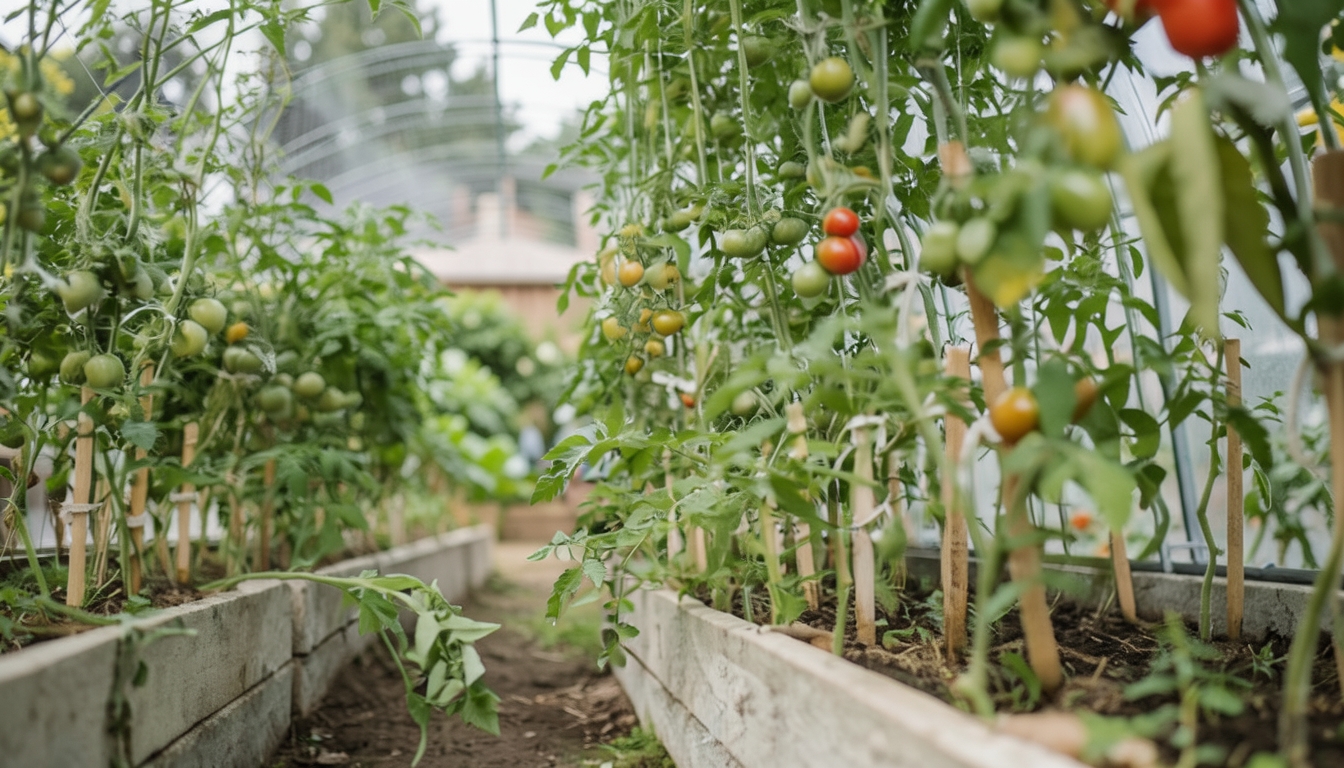
Growing tomatoes in Denver requires careful selection of varieties to ensure a successful harvest. The city's unique combination of low humidity, intense sunlight, and cooler nights demands varieties bred for cooler climates, with shorter maturation periods, and disease resistance. One primary challenge is Denver's late last frost date, which can be as late as May 5, necessitating varieties that mature quickly, typically within 60 to 90 days. Excellent options for early-maturing varieties include 'Early Girl', 'Patio', and 'Tiny Tim', which are compact, bush-type tomatoes producing small to medium-sized fruit. Additionally, disease resistance is crucial, with varieties like 'Better Boy' and 'Champion' offering resistance to diseases like early blight and fusarium wilt. Varieties bred for cooler climates, such as 'Sungold' and 'Sweet 100', are also good options, as they have a more compact growth habit and produce fruit tolerant of cooler temperatures. For larger, traditional tomatoes, 'Brandywine' and 'Cherokee Purple' are popular heirloom varieties, but they may require a longer growing season and more support. Ultimately, the best variety depends on individual needs and preferences, considering factors like maturation period, disease resistance, and climate tolerance. By choosing the right variety and understanding the specific microclimate of your garden, you can create a thriving tomato crop. The specific microclimate of your garden plays a significant role in the success of your tomato crop, with full sun and well-draining soil allowing for a wider range of varieties. In contrast, shaded or heavy clay soil gardens may require more tolerant varieties. While the fall season can be a great time to grow tomatoes in Denver, with cooler temperatures and increased moisture reducing plant stress, it's still essential to choose varieties bred for cooler climates and with shorter maturation periods to avoid the first fall frost. For more specific advice, consider consulting a local gardening expert or your local Cooperative Extension office.
→ See how your personalized garden plan comes together — watch a quick walkthrough.