TheYardWise Assessment
- Suitability: ★★★★★ — Excellent — all core conditions met
- + Growing season and GDD are long enough for this crop.
- + Approx. 161-day growing season supports this crop.
- + No major climate blockers detected for this zone.
- Confidence: Medium
This guide uses city-level climate data. Your actual sunlight exposure, soil condition, and garden layout are not included. A personalized Garden Report adjusts these factors.
- Best Timing: Early in the season, before sustained heat sets in
- Main Advantage: The growing degree days in this zone are sufficient for Lettuce to reach maturity.
- Seasonal note: Summer heat is the main seasonal constraint — plan the main harvest for the cool shoulders of the season.
- Key Advice: Cool-season crop — prioritize early planting and succession sowing.
How this recommendation was determined
Recommendations are generated from TheYardWise’s climate, plant and planting-window data, reviewed against our published methodology.
- Recommended window: Early in the season, before sustained heat sets in
- Decision rules applied: Frost risk, Growing-degree maturity, Heat stress, Growing season
Understanding Denver's Climate for Growing Lettuce
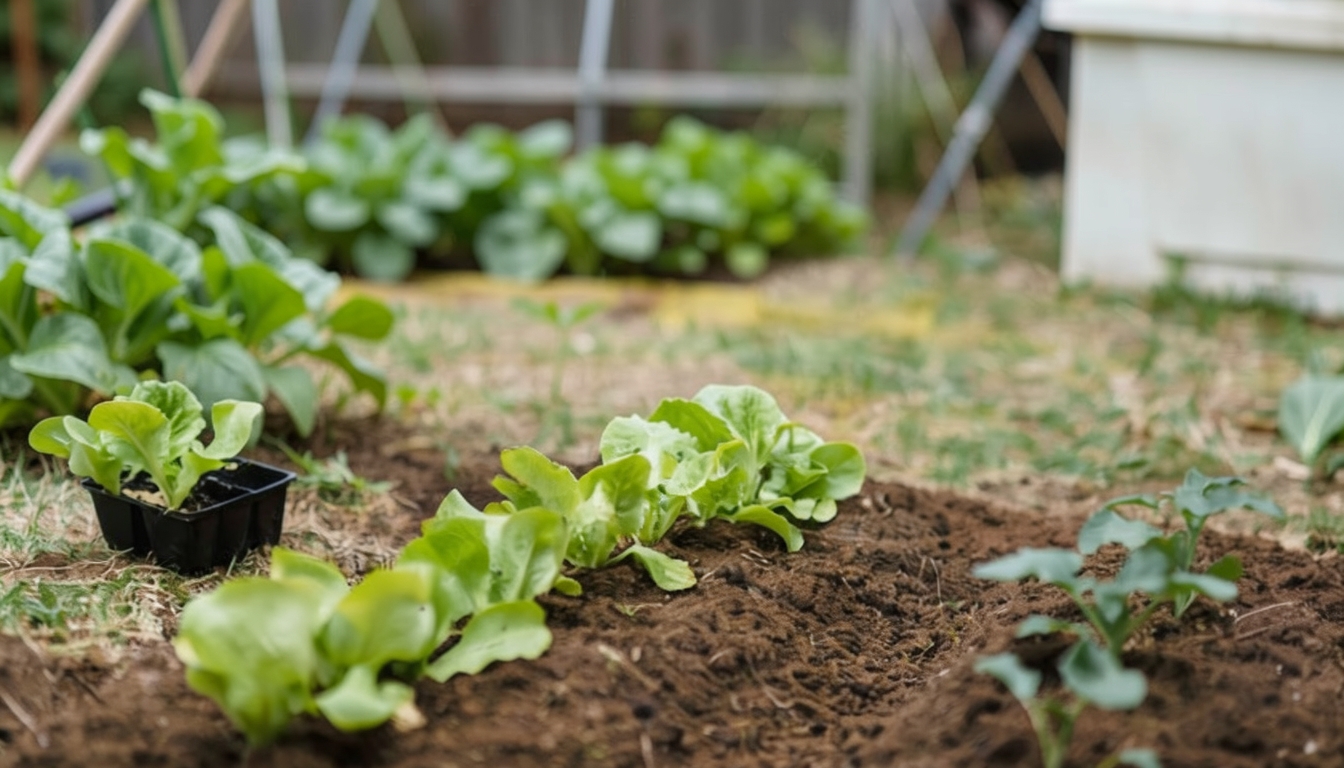
Denver's frost-free stretch runs from May 5 to October 13 — 161 days — which sounds generous for a crop that matures in about 45. But lettuce doesn't measure its season in frost-free days. It measures temperature, and 1,561 growing degree days describe a season that spends most of its length warmer than lettuce likes.
That reframes the calculation. Plenty of accumulated heat is a liability here, not a bonus. Lettuce germinates and sizes up quickly in cool weather; push it into sustained warmth and it bolts, the leaves turn bitter, and the harvest window shuts fast. Heat is the crop's primary limiting factor in Denver, which is why the workable season sits at the margins of the frost-free window rather than across it — early, before sustained heat sets in, and again late as temperatures drop back below the heat-stress threshold.
Zone 5b describes Denver's winter cold extremes, which is mostly a perennials question and less relevant to an annual you replant each season. It does point at the shoulder problem, though: spring tips into heat quickly and fall eases down gradually, so the two cool margins aren't equal — the spring one is the tighter.
Two things work in your favor. Soil pH from 5.5 to 7.2, typically around 6.3, sits squarely in lettuce's comfortable range — moderately acidic to neutral loam with regular organic matter is one less variable to manage. And the fall window carries its own pressure: cooler, moister conditions favor downy mildew, bottom rot, and slugs, with aphids spreading lettuce mosaic. The recommended resistance codes, DMR and LMV, exist for exactly this climate.
General guidance gets you to those margins; the planting calendar is what fits you inside them.
Optimal Planting Window for Lettuce in Denver
Neither of Denver's lettuce windows is set by the calendar. The crop runs on temperature, and with heat as the limiting factor, the job is to fit a roughly 45-day run from sowing to harvest entirely inside a cool stretch. Once days stretch long and afternoons turn hot, heads stop sizing up — so you're not planting "in spring" or "in fall" so much as threading the crop between warm spells.
The spring window opens early in the season, before sustained heat sets in. The fall window opens late, as temperatures drop back below the heat-stress threshold. Those are deliberately loose descriptions, because the windows are defined by temperature rather than fixed dates — no single week in Denver guarantees success. In practice, the fall window tends to be the more forgiving of the two: the autumn cool-down is gradual where the spring warm-up is abrupt, and shortening days ease the day-length pressure that pushes lettuce to bolt.
| Window | What signals it | What to watch |
|---|---|---|
| Spring | Early season, ahead of sustained heat | Soil dry enough to work and still cool; nights not yet warm; time the 45-day run to finish before real heat arrives |
| Fall | Late season, once heat stress has passed | Nights cooling off; shortening days; leave enough of the 45-day run to finish before hard freezes |
Two signals matter most. Soil that's workable and cool, rather than warmed through, tells you germination and early growth will go smoothly. And cool nights matter as much as cool days — warm nighttime temperatures keep lettuce respiring and push it toward bolting, even when afternoons are mild. Watch how long the daylight is, too: the lengthening days of late spring and early summer are their own trigger, independent of the thermometer.
What stays personal is your microclimate. A south-facing bed that heats early may close the spring window sooner than a shaded one, while a heat-retaining wall can extend the fall window. TheYardWise personalized report ties those local signals to your garden's actual conditions. Timing heads off most trouble — but not all of it.
Common Problems When Growing Lettuce in Denver
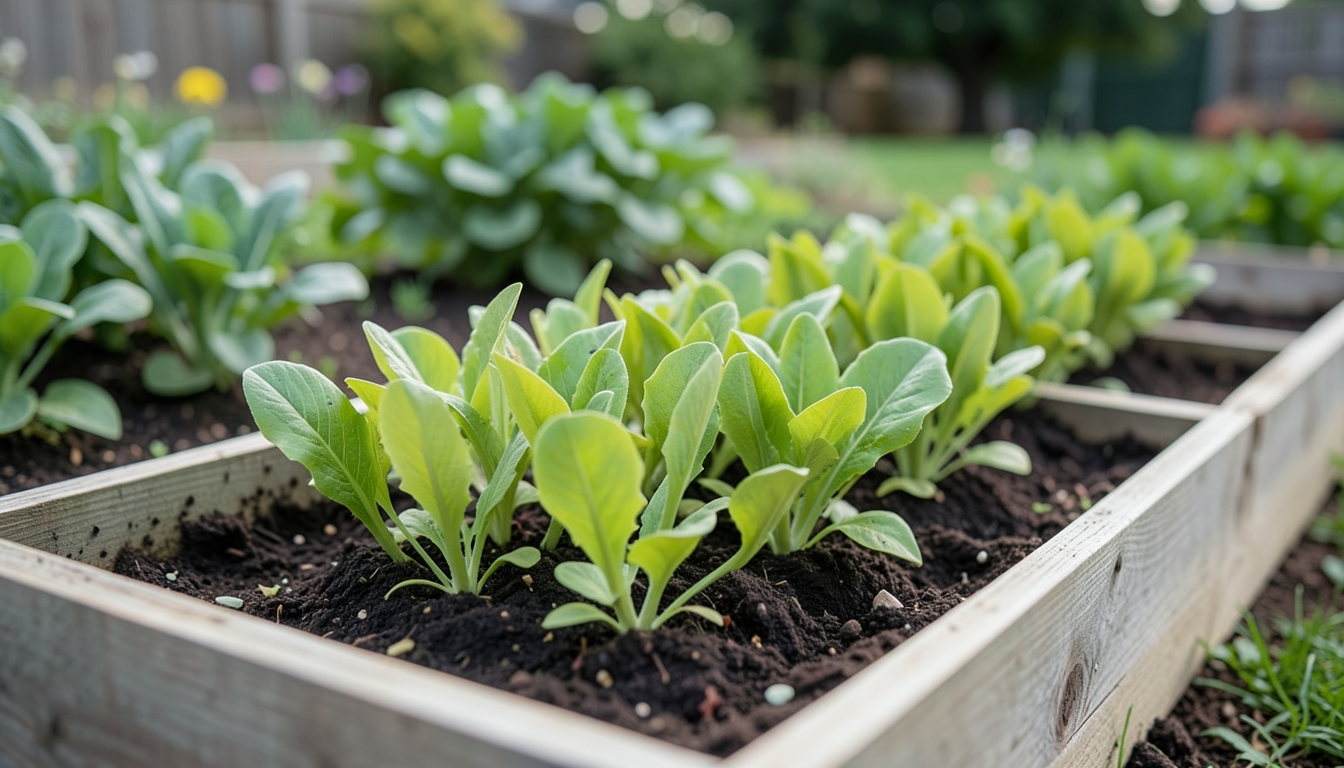
Four things go wrong with Denver lettuce, and three of them trace back to the same mismatch: the plant is built for cool, steady conditions, while heat is the primary limiting factor here.
Bolting is the classic one. The head looks fine, then a central stalk rockets upward, leaves turn bitter and leathery, and the plant stops being worth harvesting. Lettuce is a cool-season crop, and once it accumulates enough warmth it abandons vegetative growth and switches to reproduction — a one-way trip. Long days reinforce the signal. Prevention is mostly about scheduling: aim for the cool shoulders of the season so harvest lands before sustained heat, and where a stretch of warm weather is unavoidable, afternoon shade and bolt-resistant types buy time.
Tipburn shows up as brown, crisp margins on the inner leaves while the outer leaves still look healthy. It isn't a disease and it isn't a calcium shortage in the soil — it's a calcium delivery problem. Calcium moves with water through the transpiration stream, and inner leaves transpire poorly. When growth runs fast in heat, or moisture swings from soaked to dry, demand outruns delivery and the tissue at the margins dies. Steady irrigation, adequate airflow, avoiding overcrowding, and not pushing lush growth with heavy nitrogen all reduce it.
Warm soil stops lettuce seed from germinating reliably. The seed stays dormant rather than sprouting — a built-in wait-it-out mechanism. Sowing early, starting transplants indoors, pre-chilling seed, and keeping the seedbed shaded and consistently moist all sidestep it.
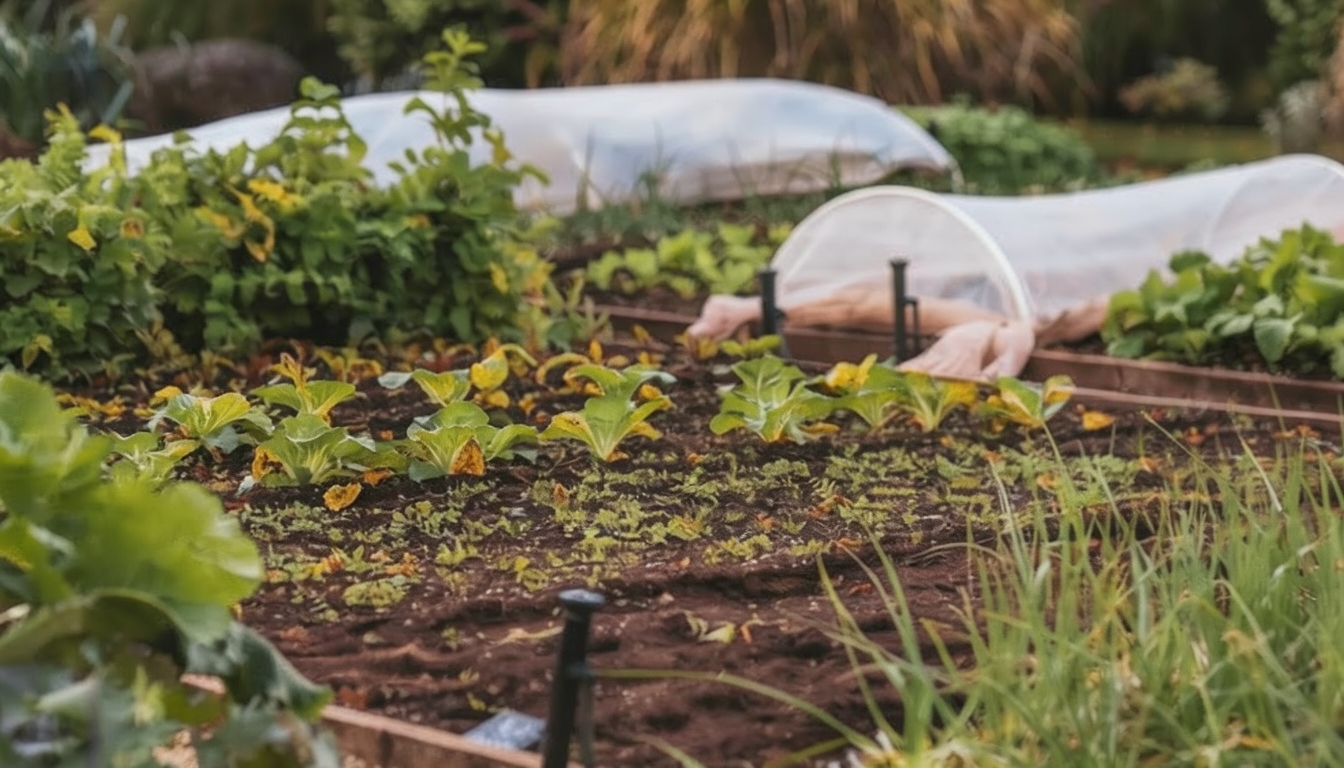
Cold is the fourth issue, and an easy one to underestimate. Lettuce is only semi-hardy: light frost is generally tolerable, but hard freezes and repeated freeze-thaw cycles in a zone 5b shoulder season can damage or kill seedlings. Hardening off transplants and using row cover or a cloche through cold snaps protects them.
All four come back to the same instinct — work with the cool windows and keep conditions even. That instinct is what the practices below put to work.
→ See how your personalized garden plan comes together — watch a quick walkthrough.
Pro Tips for Lettuce Success in Denver
Every practical decision for lettuce here follows from one goal: keeping the crop cool. Start with where you put it. Site lettuce where it gets morning sun and afternoon shade — it handles full sun to partial shade, and in a zone 5b garden where heat is the factor that ends the crop, a few hours of afternoon relief is what keeps leaves tender and delays bolting. A bed that bakes against a west-facing wall will run to seed far sooner than one shaded after midday.
Water shallowly and steadily. Lettuce roots sit close to the surface, so keep the top inch or two of soil consistently moist rather than soaking deeply and letting it dry out. On sandy ground, check and water more often; on heavier clay, water less frequently but make sure it drains, because a soggy crown rots faster than a dry one. Drying stress is one of the quickest routes to bitter, bolting plants.
Give each plant about 0.5 square feet. That spacing buys airflow between heads, which cuts down on the damp, crowded conditions that invite rot and slug damage. Lettuce isn't a vertical crop, so skip the trellis and put that effort into spacing and shade instead.
For companions, radishes and carrots earn their place. Radishes germinate fast and mark your rows while lettuce is still settling in, and carrots work the soil at a different depth, so the two share ground without competing for the same root zone — all three are cool-season crops that appreciate the same conditions.
Get Your Personalized Garden Plan
The general timing covers what most Denver gardeners need: lettuce is a cool-season crop, heat is the real constraint in Zone 5b, and the fall window opens as temperatures cool below the heat-stress threshold. What stays personal is your microclimate. A sunny south-facing bed, a wind-exposed corner, or a heat-retaining wall can shift soil temperature and airflow enough to change when lettuce actually thrives — even within the same zone. TheYardWise builds personalized garden plans from your exact location data, so the timing reflects your ground, not just your city.