TheYardWise Assessment
- Suitability: ★★★★☆ — Good — one minor risk to manage
- + Growing season and GDD are long enough for this crop.
- + Approx. 361-day growing season supports this crop.
- − Extreme summer heat may reduce fruit set without shade or heat-tolerant varieties.
- Confidence: Medium
This guide uses city-level climate data. Your actual sunlight exposure, soil condition, and garden layout are not included. A personalized Garden Report adjusts these factors.
- Best Timing: After frost risk has passed (average last frost January 4), once the soil has warmed.
- Main Advantage: The growing degree days in this zone are sufficient for Blueberry to reach maturity.
- Main Risk: Blueberry has moderate heat tolerance; this zone endures ~20+ extreme-heat days. Provide shade / use heat-tolerant varieties to reduce stress.
- Key Advice: Plan the main harvest before peak summer heat, or choose heat-set varieties.
How this recommendation was determined
Recommendations are generated from TheYardWise’s climate, plant and planting-window data, reviewed against our published methodology.
- Recommended window: After frost risk has passed (average last frost January 4), once the soil has warmed.
- Key risk addressed: Blueberry has moderate heat tolerance; this zone endures ~20+ extreme-heat days. Provide shade / use heat-tolerant varieties to reduce stress.
Blueberry Diagnosing and Saving Dying in Los Angeles: What's Going Wrong
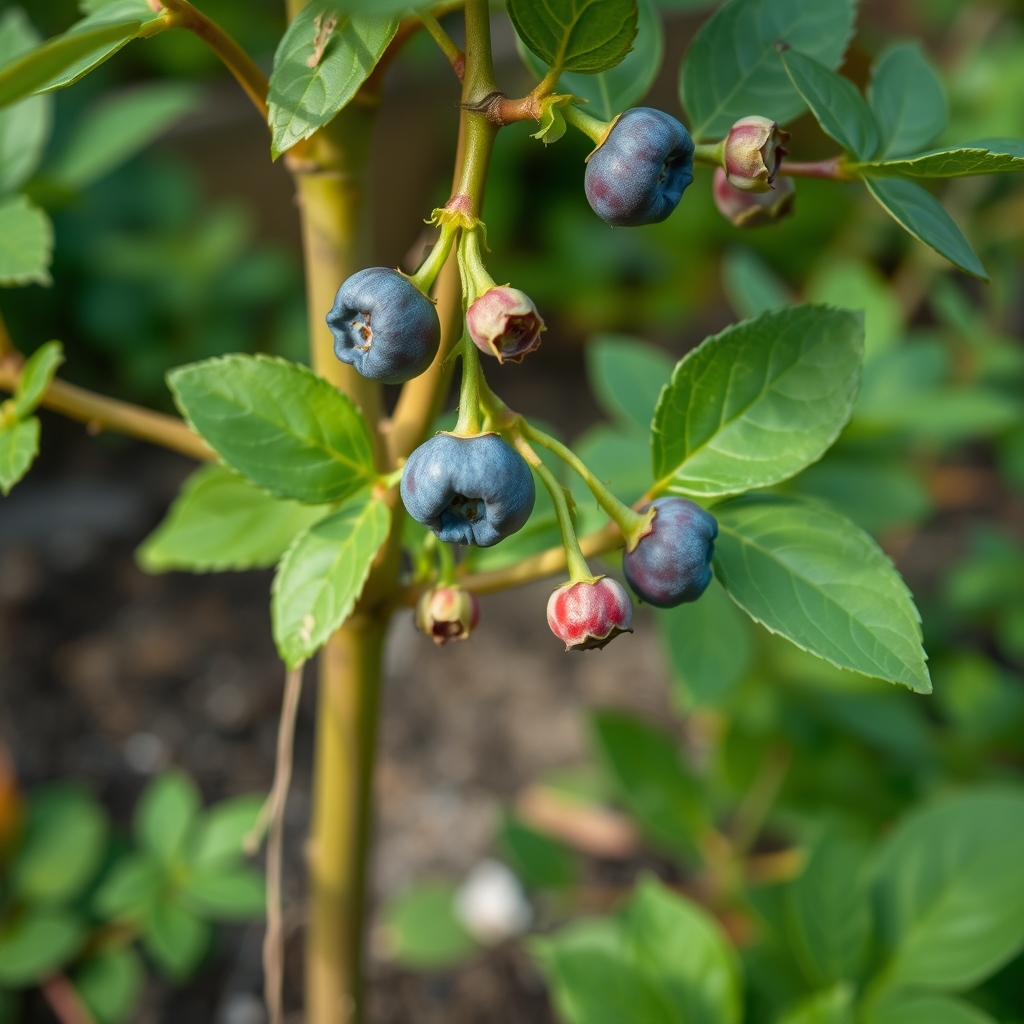
If you're growing blueberries in Los Angeles, you're likely no stranger to the frustration of watching your plants struggle. One common issue that can be particularly vexing is diagnosing and saving dying blueberries. So, what does this problem look like? Typically, dying blueberries will exhibit visible symptoms such as yellowing or browning leaves, wilting, and a lack of new growth. These symptoms can appear at any time, but they're often more pronounced during periods of high water stress or when the plant is not receiving enough moisture. In Los Angeles, where the climate is characterized by mild winters and hot summers, blueberries can be sensitive to the high water requirement. As a result, the problem of dying blueberries can appear year-round, but it's especially common during the dry summer months. To confirm that this is the issue, gardeners can check for signs of underwatering, such as dry soil or crispy leaves, and assess whether their irrigation schedule is meeting the plant's needs. By paying attention to these visible symptoms and understanding the plant's requirements, gardeners can take steps to address the issue and help their blueberries thrive in the Los Angeles climate.
The Science Behind Blueberry Diagnosing and Saving Dying in Los Angeles
The issue of dying blueberries in Los Angeles is often the result of a combination of biological and environmental factors. The biological mechanism behind this issue is closely tied to the plant's high water requirement. Blueberries need consistent moisture to thrive, and any disruption in water availability can trigger a cascade of physiological responses that ultimately lead to plant decline. When Blueberries are under water stress, their stomata close to conserve water, reducing photosynthesis and increasing temperature stress. Environmental triggers, such as temperature extremes, also play a significant role in Blueberry decline. The optimal temperature range for Blueberries is between 15°C and 26°C, with temperatures above 30°C being lethal. In Los Angeles, which falls under USDA Zone 10a, the average annual extreme minimum temperature is between 30°F and 35°F, indicating that the city experiences mild winters. However, the rare frost events that do occur, typically between mid-December and early February, can still cause damage to Blueberries. Furthermore, the high water requirement of Blueberries makes them vulnerable to drought stress, which can be exacerbated by the warm temperatures and low humidity characteristic of the Los Angeles climate. As a perennial plant, Blueberries have a prolonged growth cycle, making them more prone to cumulative stress from temperature fluctuations and water deficits. The combination of these factors creates a perfect storm that can lead to Blueberry decline in Los Angeles, highlighting the need for careful management and attention to the plant's specific needs.
How to Prevent Blueberry Diagnosing and Saving Dying in Los Angeles Before It Starts
To prevent blueberry plants from dying in Los Angeles, it's essential to focus on proper soil preparation, spacing, watering strategy, and timing adjustments. Given the city's USDA Zone 10a classification, with average annual extreme minimum temperatures ranging from 30 to 35°F, frost is rare and typically occurs between mid-December and early February. This allows for a relatively long growing season. Soil preparation is crucial, although specific soil amendments are not available. Generally, blueberries prefer well-draining, acidic soil. Ensuring your soil meets these conditions will help prevent root rot and other issues. Proper spacing is also vital, with a recommended 6 square feet per plant. This allows for adequate airflow, reducing the risk of disease and promoting healthy growth. A well-planned watering strategy is necessary, taking into account the local climate and soil conditions. While specific watering guidance is not available, it's essential to avoid overwatering, which can lead to root rot and other problems. Timing adjustments are also critical. Given the perennial nature of blueberries and Los Angeles' mild winters, it's possible to plant and maintain blueberries year-round, with careful attention to the plant's needs during the rare frost periods. By focusing on these prevention strategies, you can help your blueberry plants thrive in Los Angeles. Building on the understanding of the root causes of blueberry decline, these prevention strategies can help mitigate the risks associated with temperature extremes, drought stress, and other environmental factors.
→ See how your personalized garden plan comes together — watch a quick walkthrough.
If It's Already Happening: Recovery Steps
If your blueberries in Los Angeles are already showing signs of dying, it's essential to act quickly to salvage what's left. Immediate actions include inspecting the plants for any signs of pests or diseases and removing any affected areas to prevent further damage. Given the high water requirement of blueberries, ensure that the soil is consistently moist but not waterlogged, as this can exacerbate the issue. In USDA Zone 10a, where frost is rare, the primary focus should be on addressing potential issues related to heat, water, and soil quality. While the exact soil amendments needed are unavailable, maintaining optimal watering practices is crucial. Blueberries require full sun, so if your plants are not receiving adequate sunlight, consider relocating them to a sunnier spot. What can be saved depends on the extent of the damage. If the roots are still healthy, it might be possible to nurse the plants back to health with proper care. However, if the damage is extensive, it may be necessary to accept some loss. It's also important to recognize that not all plants can be saved, and in some cases, it may be more effective to replace them with new, healthy plants. By taking immediate action and providing the right conditions, you may be able to save some of your blueberry plants, but it's crucial to be prepared for potential losses and to plan accordingly for the future. This recovery plan should be informed by the prevention strategies outlined earlier, as a comprehensive approach to blueberry care in Los Angeles will involve both proactive and reactive measures.
Prevent Problems With a Personalized Garden Plan
This article has covered the key considerations for growing blueberries in Los Angeles. However, prevention depends on local conditions, which can vary significantly. TheYardWise analyzes local climate data to provide personalized recommendations. To ensure the best results for your specific garden, build a planting plan around your chosen crops, taking into account the unique conditions of your area. By combining the insights from this article with personalized guidance, you can create a tailored approach to growing blueberries in Los Angeles, one that addresses the specific challenges and opportunities of your garden. With the right combination of prevention strategies, recovery plans, and personalized advice, you can help your blueberry plants thrive in the Los Angeles climate.