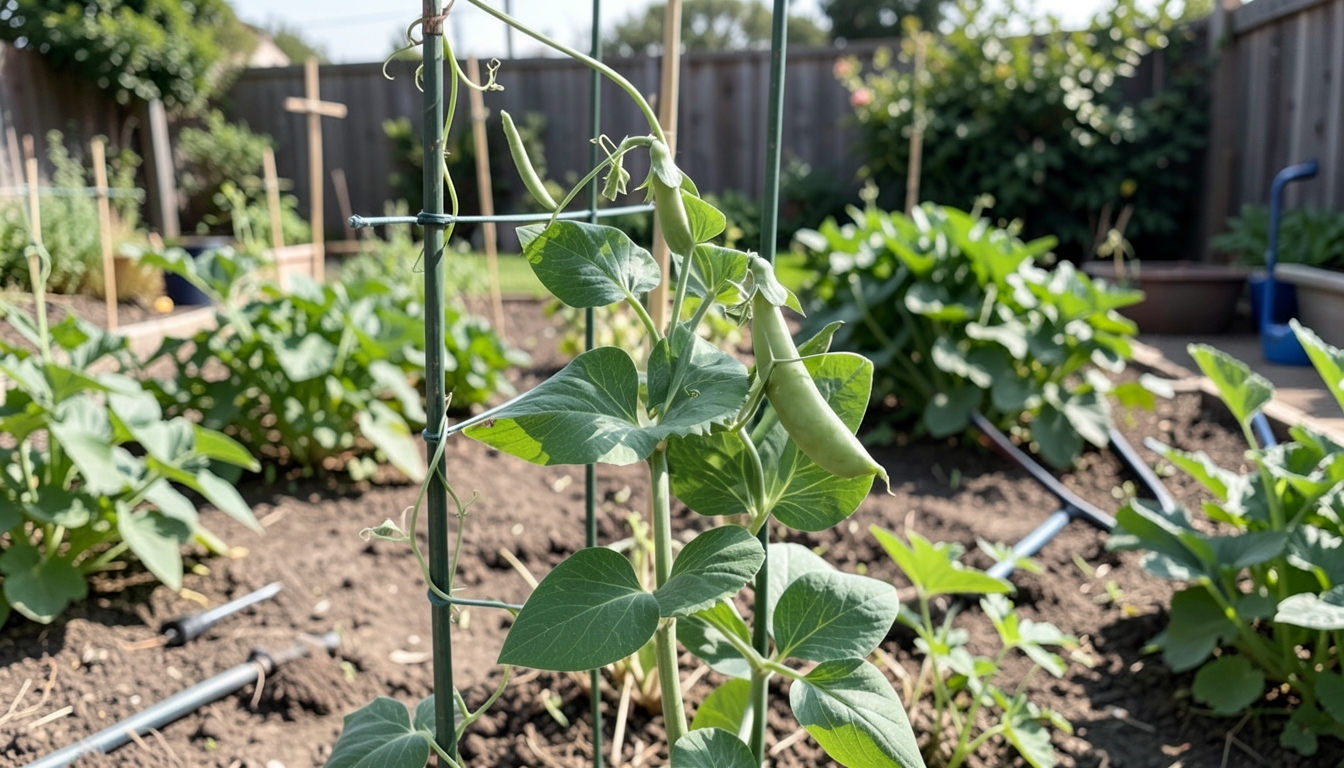
TheYardWise Assessment
- Suitability: ★★★★☆ — Good — one minor risk to manage
- + Growing season and GDD are long enough for this crop.
- + Approx. 361-day growing season supports this crop.
- − Extreme summer heat may reduce fruit set without shade or heat-tolerant varieties.
- Confidence: Medium
This guide uses city-level climate data. Your actual sunlight exposure, soil condition, and garden layout are not included. A personalized Garden Report adjusts these factors.
- Best Timing: Early in the season, before sustained heat sets in
- Main Advantage: The growing degree days in this zone are sufficient for Pea to reach maturity.
- Seasonal note: Summer heat is the main seasonal constraint — plan the main harvest for the cool shoulders of the season.
- Main Risk: Pea has low heat tolerance; this zone endures ~20+ days of extreme heat. Expect heat stress without shade or heat-tolerant varieties.
- Key Advice: Plan the main harvest before peak summer heat, or choose heat-set varieties.
How this recommendation was determined
Recommendations are generated from TheYardWise’s climate, plant and planting-window data, reviewed against our published methodology.
- Recommended window: Early in the season, before sustained heat sets in
- Decision rules applied: Frost risk, Growing-degree maturity, Heat stress, Growing season
- Key risk addressed: Pea has low heat tolerance; this zone endures ~20+ days of extreme heat. Expect heat stress without shade or heat-tolerant varieties.
Understanding Los Angeles's Climate for Growing Pea
As the warm Los Angeles sun begins to shine brighter in late winter, gardeners may be eager to plant their favorite crops, including peas. However, Los Angeles's climate, classified as USDA Zone 10a, presents specific challenges for this cool-season crop. The city's long growing season, with 361 days between frost dates of January 4 and December 30, may seem ideal, but the high heat accumulation, measured at 3231 GDD, can actually hinder pea growth. Peas prefer cooler temperatures, and the heat in Los Angeles can be a primary limiting factor. While the frost-free window is quite long, peas thrive in the cooler margins of this window, rather than the entire period. The high GDD value indicates that the soil will warm up quickly, which can lead to rapid growth, but also increases the risk of heat stress. To successfully grow peas in Los Angeles, gardeners need to consider the plant's preferred temperature range and avoid the hottest part of the year.
Optimal Planting Window for Pea in Los Angeles
Understanding the climate context is crucial for determining the optimal planting time for peas in Los Angeles. As a cool-season crop, peas thrive in temperatures that are mild, making timing crucial. The general seasonal range for planting peas in Los Angeles is early in the season, before sustained heat sets in, and late-season, as temperatures cool below the heat-stress threshold. Gardeners should watch for indicators such as cooler temperatures and shorter day lengths to determine the optimal planting time. By planting early or late in the season, gardeners can avoid the peak heat that can lead to poor growth, low yields, or even plant death. With a days-to-maturity period of 60 days, peas can be harvested within a couple of months of planting, provided they are given the right conditions to grow.
Common Problems When Growing Pea in Los Angeles
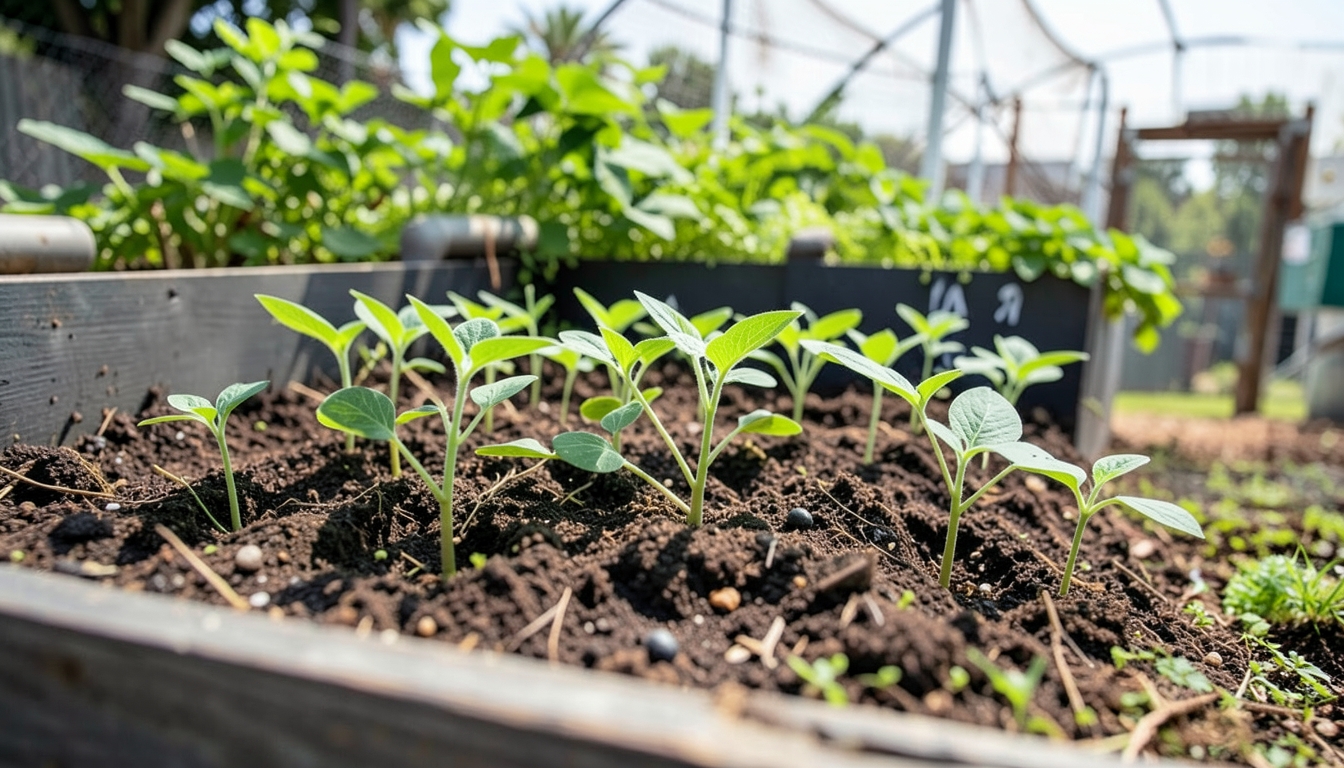
In Los Angeles's climate, peas can encounter several common problems that affect their growth and productivity. One issue is heat stress, which can cause the plants to wilt and become susceptible to disease. To prevent heat stress, gardeners can use a heat-avoid planting strategy, planting peas early in the season or late in the fall when temperatures are cooler. Another problem peas may face is poor flowering or fruit set, which can be caused by the high temperatures interfering with the plant's ability to produce flowers and pods. Providing peas with some shade, especially during the hottest part of the day, can help reduce the stress caused by the heat. Additionally, seed rot or poor germination can be caused by warm soil temperatures, and gardeners can sow peas in cooler soil and keep the soil consistently moist to promote healthy germination.
→ See how your personalized garden plan comes together — watch a quick walkthrough.
Pro Tips for Pea Success in Los Angeles
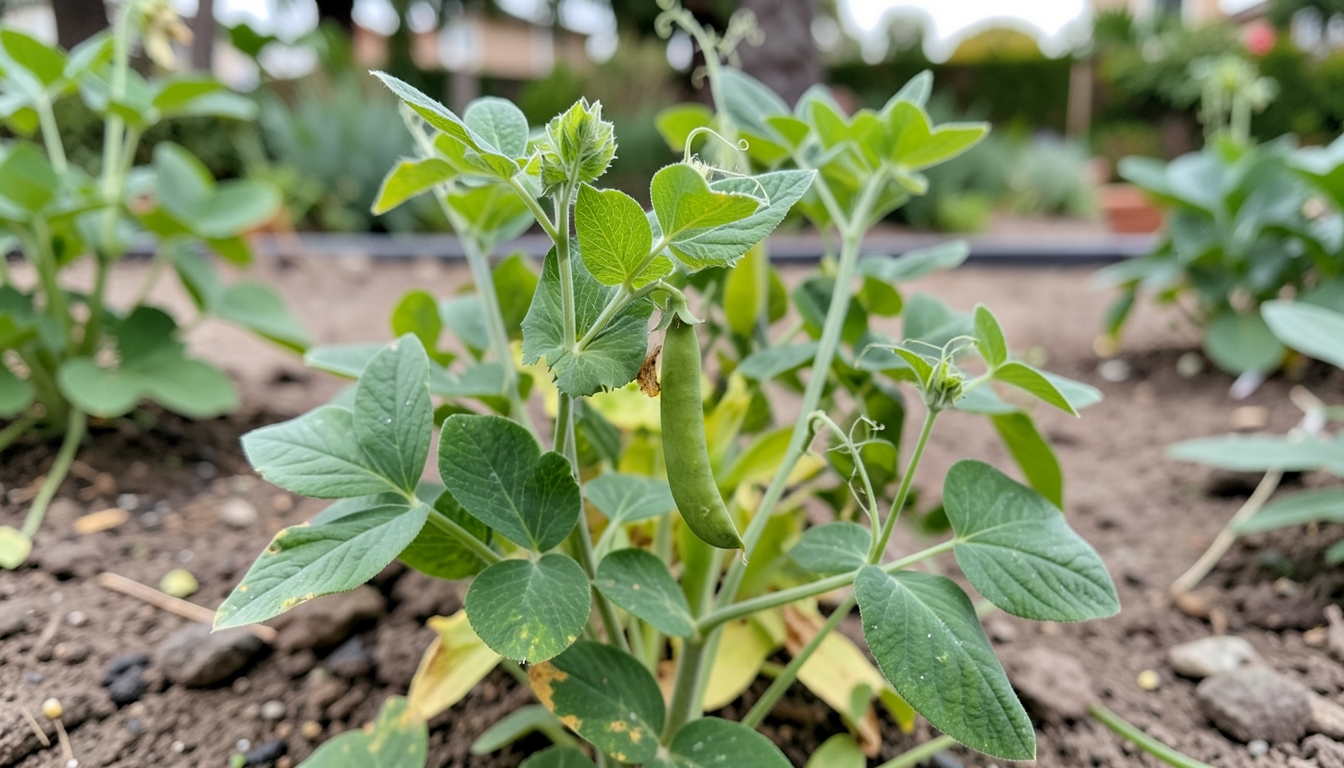
To ensure a successful pea harvest in Los Angeles, gardeners should provide their peas with about 0.25 square feet of space per plant, allowing for good air circulation and growth. While specific companion planting recommendations are not available, pairing peas with plants that have similar growing conditions and space requirements can be beneficial. Soil and watering management are also crucial, with peas preferring well-draining soil and consistent moisture. Using a trellis or other support can help maximize space, improve air circulation, and reduce disease risk. By following these tips and being mindful of the heat-avoid planting strategy, gardeners can help their peas thrive in Los Angeles's cool-season windows.
Get Your Personalized Garden Plan
While general guidance provides a good starting point, every garden is unique due to its microclimate conditions. TheYardWise uses local climate data to create personalized garden plans, providing tailored advice for specific conditions. By considering the unique characteristics of their garden, Los Angeles gardeners can create an optimal environment for their peas to thrive.