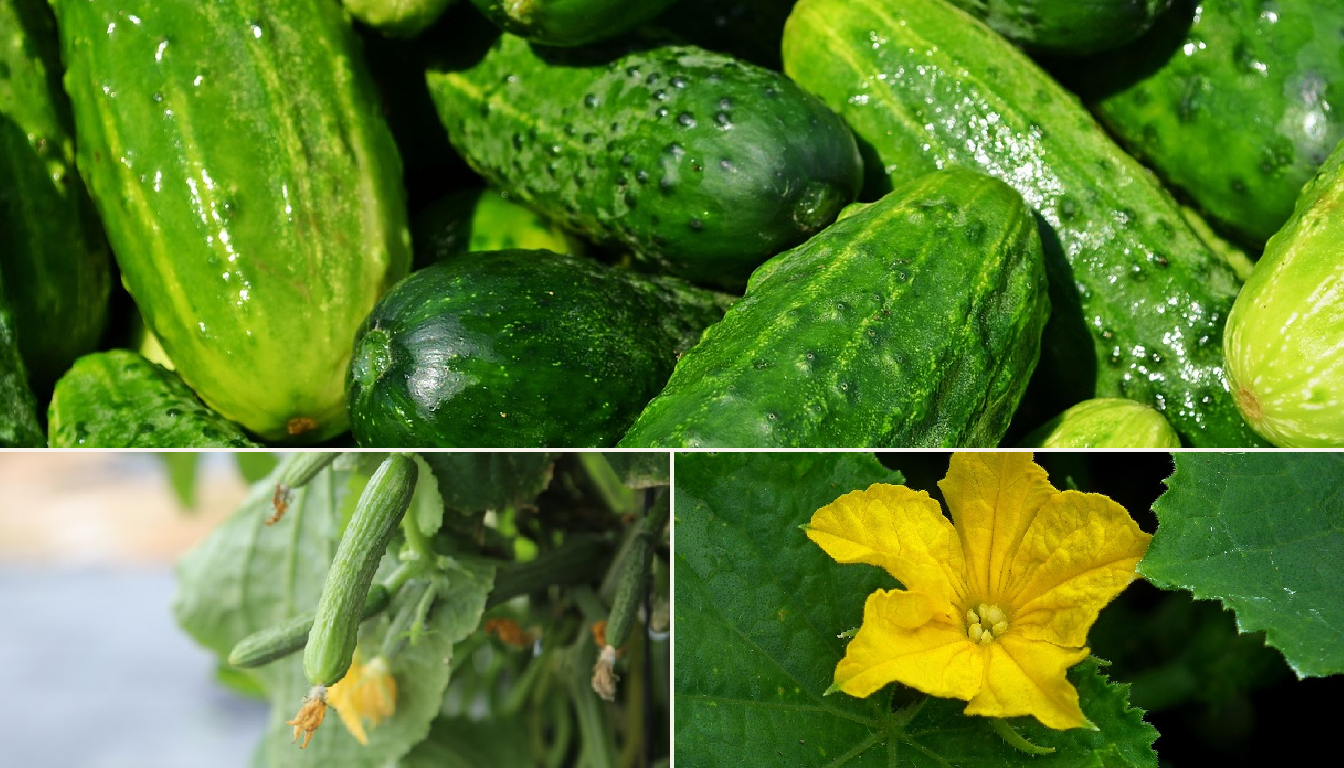
TheYardWise Assessment
- Suitability: ★★★★☆ — Good — one minor risk to manage
- + Growing season and GDD are long enough for this crop.
- + Approx. 361-day growing season supports this crop.
- − Extreme summer heat may reduce fruit set without shade or heat-tolerant varieties.
- Confidence: Medium
This guide uses city-level climate data. Your actual sunlight exposure, soil condition, and garden layout are not included. A personalized Garden Report adjusts these factors.
- Best Timing: After frost risk has passed (average last frost January 4), once the soil has warmed
- Main Advantage: The growing degree days in this zone are sufficient for Cucumber to reach maturity.
- Main Risk: Cucumber has moderate heat tolerance; this zone endures ~20+ extreme-heat days. Provide shade / use heat-tolerant varieties to reduce stress.
- Key Advice: Plan the main harvest before peak summer heat, or choose heat-set varieties.
How this recommendation was determined
Recommendations are generated from TheYardWise’s climate, plant and planting-window data, reviewed against our published methodology.
- Recommended window: After frost risk has passed (average last frost January 4), once the soil has warmed
- Decision rules applied: Frost risk, Growing-degree maturity, Heat stress, Growing season
- Key risk addressed: Cucumber has moderate heat tolerance; this zone endures ~20+ extreme-heat days. Provide shade / use heat-tolerant varieties to reduce stress.
Understanding Los Angeles's Climate for Growing Cucumber
Los Angeles hands cucumbers nearly a full year of frost-free growing, and that abundance is exactly what trips people up. Zone 10a means the frost-free stretch runs from roughly January 4 to December 30 — 361 days — with only a narrow band of genuine cold risk. It's tempting to read that as an invitation to plant almost anytime. The catch: cucumbers are warm-season, and the gate that actually controls them here is soil warm-up after frost risk passes. The January 4 average last-frost date tells you hard freezes are essentially over. It says nothing about whether the ground has warmed enough for seed to germinate or transplants to take off.
The 3,251 growing degree days supply the other half of the story. That's a large heat budget, so once the soil does warm, cucumber vines move fast — germination and early growth can outpace a small trellis within weeks. The same heat accumulation, though, builds a summer peak that works against the plant. Pollination and fruit set suffer in extreme heat, which is the one real caveat on an otherwise good fit for this crop, and downy and powdery mildew rank among cucumber's main disease pressures in a season this warm and long. A vine pushed into midsummer is a vine pushed into poor set and disease.
So the useful way to read LA's climate isn't "frost-free equals plant anytime." Cucumbers do best in the moderate, warmer margins of that long window — early enough to size up before the heat peaks, or late enough to ripen as it eases — rather than straight through the hottest stretch.
Optimal Planting Window for Cucumber in Los Angeles
Plant by soil temperature, not by the calendar. As the climate picture above shows, the January 4 average last frost marks the end of hard-frost risk; it is not the start of the planting window, and the real gate is soil warm-up. Cucumber seed dropped into cold soil right after a mild January will rot, germinate raggedly, or sit stalled — and at roughly 60 days to maturity, a slow start pushes your harvest back by weeks.
That makes the spring window qualitative rather than a fixed date: the stretch after frost risk has passed and the soil has genuinely warmed through. Because frost barely limits you in this climate, the frost gate opens well before the soil is ready, so the window where soil and air are both on your side generally falls somewhere in spring rather than mid-winter.
Watch three signals:
| Signal | Keep waiting | Go ahead |
|---|---|---|
| Soil at seed depth | still cold and damp to the touch | feels warm, drains freely, crumbles rather than clods |
| Night temperatures | chilly lows still dipping | mild nights holding steady |
| Daylight | short days, weak sun | lengthening days and stronger sun |
That last row matters more than it looks. Cucumbers need sustained warmth and good light to set and size fruit, and longer days do double duty — they push soil temperatures up and give young vines the energy to grow fast off the start.
The window also shifts with your microclimate. A bed against a south-facing wall or a heat-retaining patio warms earlier and lets you plant sooner; a shaded, wind-exposed corner lags by a couple of weeks even a few blocks away. That local variation is exactly what a general seasonal window can't capture — a TheYardWise personalized report reads your specific garden's conditions to pin down when your soil is actually ready.
Common Problems When Growing Cucumber in Los Angeles
Even with the window read correctly, most cucumber trouble in Los Angeles comes down to two things: temperature at the front end of the season and water at every stage after that. Pests get blamed, but the plant's own physiology usually sets the problem up first.
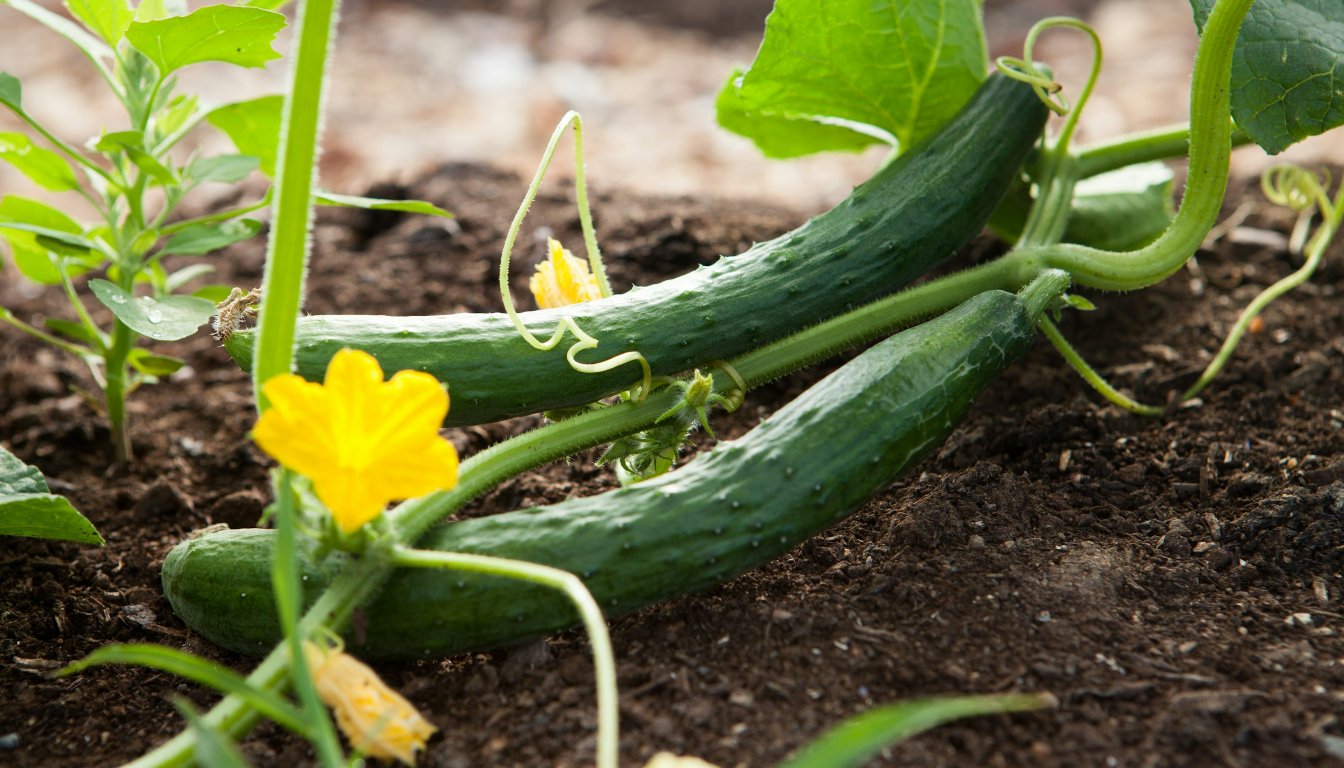
Seeds that rot instead of sprouting. Cucumber seed is tender and germinates poorly in cool, damp soil — it takes on water, sits there, and soil fungi reach it before the sprout does. You see gaps in the row, or seedlings that yellow and pinch off right at the soil line, which is damping off. Sowing into soil that hasn't finished warming is the usual trigger. Fresh seed, good drainage, and holding off until the soil has genuinely warmed — not just until the frost risk has passed — prevent most of it, and light watering before emergence helps too.
Cold shock on tender seedlings. Cucumbers are tender, so a night that dips toward freezing turns leaves water-soaked and dark and can collapse the growing tip. Zone 10a's average last frost of January 4 is mild, but a cold night arriving after a warm spell will still catch an early planting. Row cover, cloches, and well-hardened transplants carry young plants through those first weeks.
Water stress showing up as bitter, misshapen fruit. Cucumbers have a high water requirement and shallow roots, so soil that swings between bone-dry and soaked pushes the plant to accumulate bitter cucurbitacin compounds, and fruit curves or balloons at one end. Midday wilt that doesn't recover by evening is the tell. Deep, consistent watering plus a mulch layer addresses it; check moisture an inch or two down rather than watering by the calendar.
Powdery mildew. A white dusting starts on older leaves and climbs. It needs dry foliage and warm days with cool, humid nights — a pattern the marine layer delivers readily, no leaf wetness required. It cuts photosynthesis and yield. Airy spacing, morning watering to keep leaves dry, resistant varieties, and prompt removal of infected leaves are the general defenses.
Which of these dominates depends on your bed's sun, soil, and airflow — the same local variables that decide how early your soil warms in the first place.
→ See how your personalized garden plan comes together — watch a quick walkthrough.
Pro Tips for Cucumber Success in Los Angeles
Cucumbers reward a few simple decisions more than anything else.
Give them full sun and, just as importantly, the warmest, best-draining ground you have — a raised bed or a spot against a heat-retaining wall. Soil warm-up after frost risk passes is the real gate on this crop in zone 10a, so a bed that stays cold and waterlogged will stall young vines even when the air already feels mild. Work in compost to open the soil, and hold off on a heavy mulch until the surface has genuinely warmed; a thick layer too early keeps the very coolness you're trying to avoid.
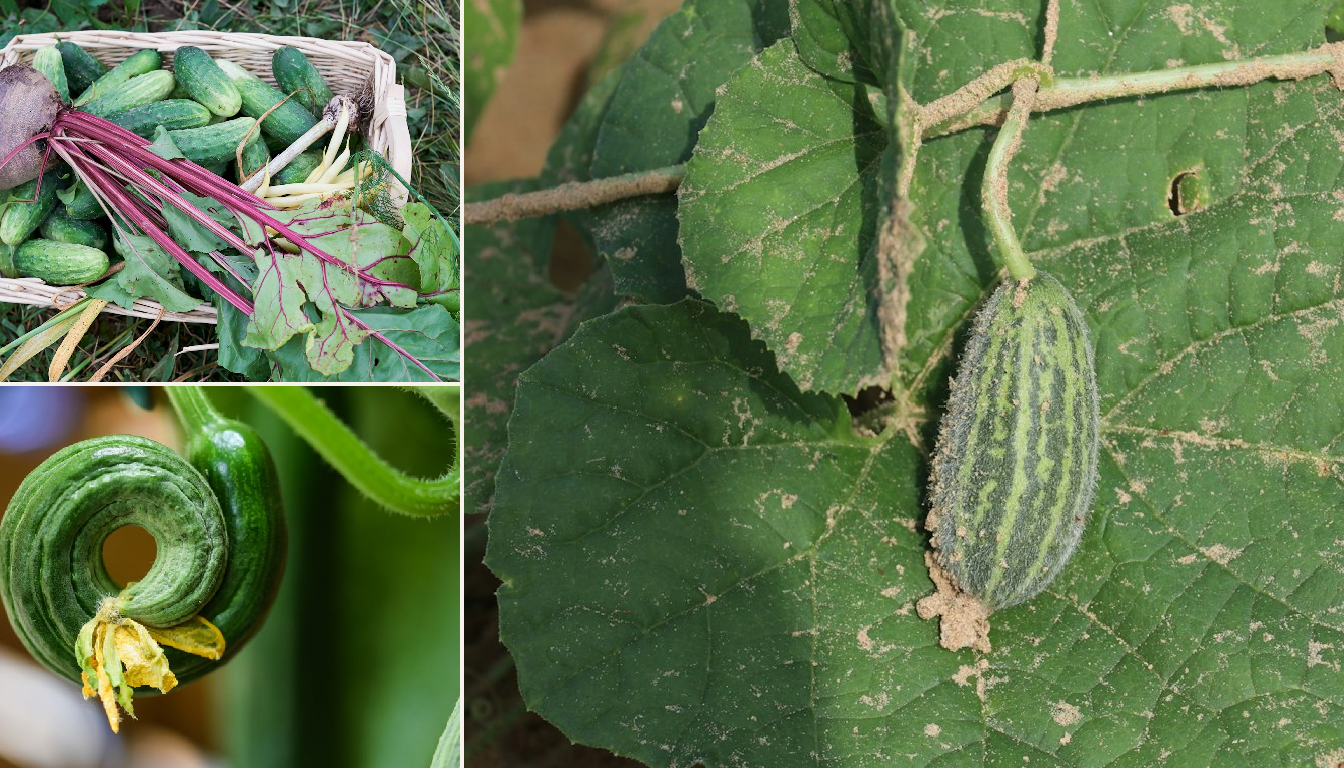
Set plants at 2 square feet per plant. Cucumber vines are vigorous, and crowding is what turns a small patch into a mildew nursery. Cucumbers are also a natural climbing crop: a sturdy trellis or fence lifts the fruit off the ground, improves airflow around the leaves, and lets you harvest more from less space.
Water deeply and steadily rather than with frequent light sprinklings, and direct the water at the base in the morning so the foliage dries through the day. Even moisture is what keeps fruit from turning bitter or misshapen, and dry leaves are your best defense against the fungal problems that plague cucumbers in warm weather.
For companions, radishes and nasturtiums are the traditional pairings worth trying. Radishes are quick, break up the soil surface, and mark rows while the vines are still filling in; nasturtiums are often planted alongside cucumbers and are widely grown as a trap crop, drawing aphids away from the main vines. Neither replaces good airflow and watering, but both earn their space.
Your bed's drainage, sun angle, and microclimate will decide how much of this you need to adjust.
Get Your Personalized Garden Plan
The guidance above answers the common question: in Los Angeles, the deciding factor for cucumbers is warm soil after frost risk, not the calendar alone. What stays personal is how your own garden behaves. A sunny south-facing bed, a wind-exposed corner, or a heat-retaining wall can shift soil warm-up by weeks, even within the same USDA Zone 10a. TheYardWise builds personalized garden plans from your exact location data, so timing and placement reflect your conditions rather than a citywide average. See your planting plan for Los Angeles.