When to plant cucumbers in Chicago
Understanding Chicago's Climate for Growing cucumbers
Chicago’s calendar suggests a long frost-free season for cucumbers, but the 2400 growing-degree-days (GDD) are the number that matters more: it’s a moderate heat budget, so your vines will do best if they occupy the warmest part of the frost-free window rather than reaching into its cool margins.
USDA Zone 6b mainly describes winter cold—average annual extreme lows near -5 to 0°F. Cucumbers are annuals and never face that winter, so for this crop the zone simply signals a temperate climate with a distinct, moderately warm summer: enough heat to grow cucumbers, but no surplus of it.
The GDD figure is the practical clock. Plants accumulate growth with heat above a base temperature, and cucumber development speeds up as that heat stacks up. With 2400 GDD total, there is enough heat to carry a vine through flowering and fruit set—but it’s not an abundant total. A cooler-than-usual summer directly slows vine growth and delays the flush of fruits.
Those frost dates, April 11 and October 11, describe a 183-day frost-free period. But cucumbers are warm-season plants: they tolerate frost not at all, and cold soil or chilly nights even without frost will stall them. The frost-free window is not the same as the cucumber-growing window. Its early and late edges are of little value to this vine. The opportunity in Chicago is the flexibility of a long season, letting you pick the warm central portion; the challenge is that those frost-free shoulders can tempt a gardener into starting too early or expecting too much in autumn.
Optimal Planting Window for cucumbers in Chicago
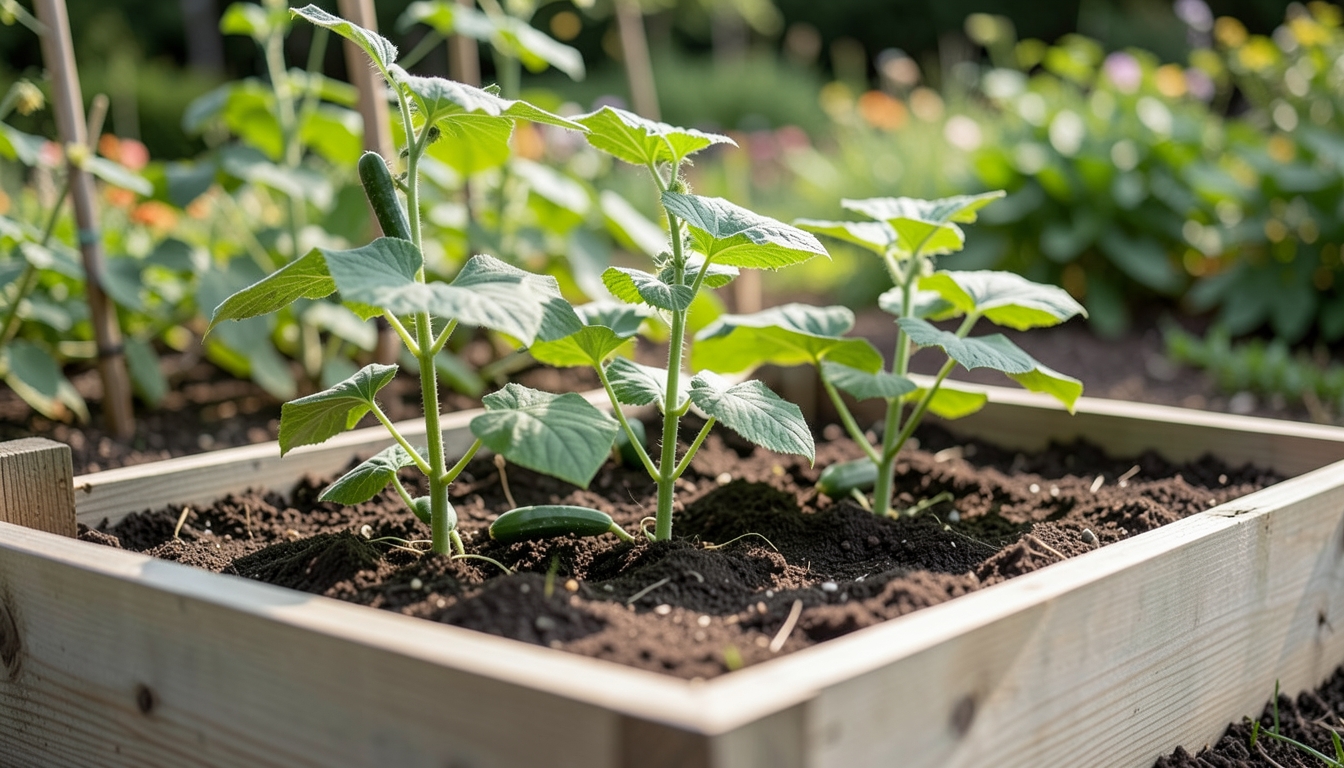
Wait until the soil has settled into dependable warmth, and aim for the middle band of Chicago's summer season rather than the earliest possible planting or the peak of summer heat. For cucumbers in a zone 6b garden, the recommended window is described as "intermediate" — a qualitative cue, not a fixed date. What that means in practice: late spring into early summer, a stretch when the season is clearly underway but the hottest weeks are still ahead.
Timing matters because cucumbers are warm-season and frost-sensitive. Cold, wet soil rots seeds and stalls young vines, while setting fruit during peak summer heat can cut pollination and fruit quality. The intermediate window threads between those two risks.
Watch these signals rather than the calendar:
- Soil temperature — wait until the soil is consistently around 60°F at planting depth, checked in the morning before the day warms it. This is the most reliable green light.
- Night temperatures — hold off until nights stay dependably above the mid-50s°F. A stretch of cool nights after planting stops growth even when days are warm.
- Frost risk — even in zone 6b, the frost threat needs to be clearly gone. The intermediate window still sits safely past that.
- Day length and seasonal heat — cucumbers are flexible about day length, but they respond to long, warm days. The goal is to get vines established while days are lengthening, so they're well along before the hottest part of the summer.
A useful checklist: soil at 60°F or above on consecutive mornings, night lows staying above the mid-50s, no frost in the extended forecast, and enough season left to harvest before peak heat arrives. Exact dates for Chicago aren't pinned down in the reference data here, so treat this as a signal-based window. For a personalized calendar tied to your own garden's conditions, the TheYardWise report will give you specifics.
Common Problems When Growing cucumbers in Chicago
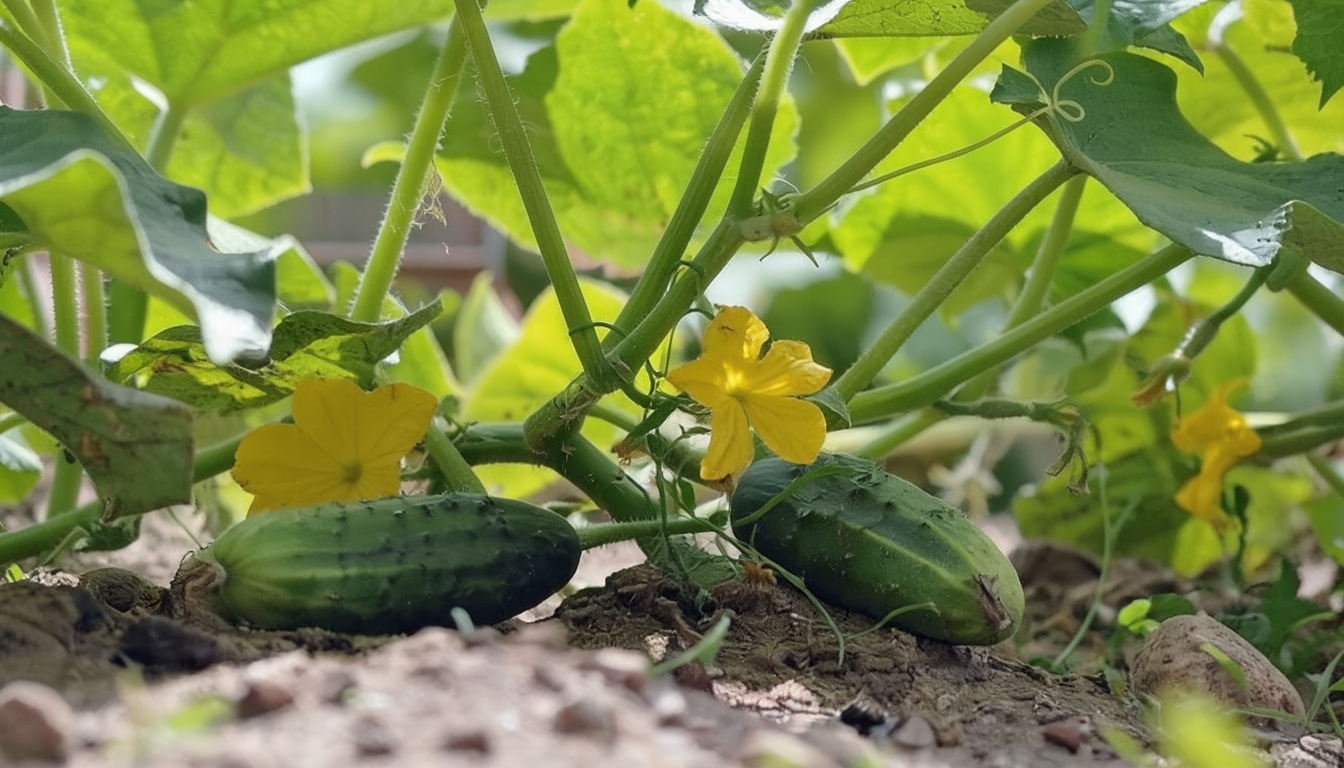
Four problems account for most cucumber failures in a zone 6b season like Chicago's, and all trace back to one trait: cucumbers are a warm-weather crop with a narrow comfort range, so the season's edges stress them the most.
Seeds that rot or stall in cool, wet soil. Cucumber seeds planted early often never sprout, or seedlings emerge yellow and sit still. Cold, wet soil blocks germination and invites damping-off fungi at the soil line. Because zone 6b soil warms slowly in spring, the practical fix is to wait — even a week or two can matter — and to warm the bed with black plastic or a cloche before seeding.
Flowers that drop during hot spells. Vines can look vigorous while blossoms fall and fruit stays small or misshapen. Cucumber flowers and pollen are heat-sensitive beyond the crop's best range; when daytime highs climb, pollination timing breaks down and the plant sheds flowers. This is usually episodic rather than constant across the season. Prevention is mostly moisture management: deep, consistent watering and mulch keep roots cool and help the plant keep flowering through brief heat.
Cucumber beetles and the wilt they carry. Small striped or spotted beetles chew pinholes in leaves, but the greater injury comes from the bacteria they transmit into the vine's water-conducting tissue. Bacterial wilt can take a healthy vine down within days, and there is no cure once it starts. The classic prevention is to exclude beetles with floating row covers on young plants, keep the covers on until flowering begins, and rotate the cucumber patch to fresh ground each year.
Powdery mildew in late summer. Leaves develop white, dusty patches that spread upward, yellow, and die, starving the plant just as it should be producing heavily. The fungi thrive on warm days, cool nights, and crowded, humid foliage — conditions that build as an intermediate-length season runs long. Prevention means spacing vines for airflow, watering at the base instead of overhead, and planting in full sun so leaves dry early in the day.
Pro Tips for cucumbers Success in Chicago
Start with rich, moisture-retentive soil: dig a few inches of compost into the planting bed before you set out transplants. Cucumbers are heavy feeders with shallow roots, and in a Zone 6b summer they will only stay productive if the soil never dries out for long — when it does, flowering stalls and fruit can turn bitter. Mulch with straw to hold moisture, then water deeply at the base once or twice a week, increasing frequency during the hottest stretches of summer. If the leaves still look wilted first thing in the morning, that is your cue to water more.
Water at ground level rather than overhead so the foliage stays dry. A soaker hose or drip line makes this effortless and goes a long way toward keeping mildew off the leaves late in the season.
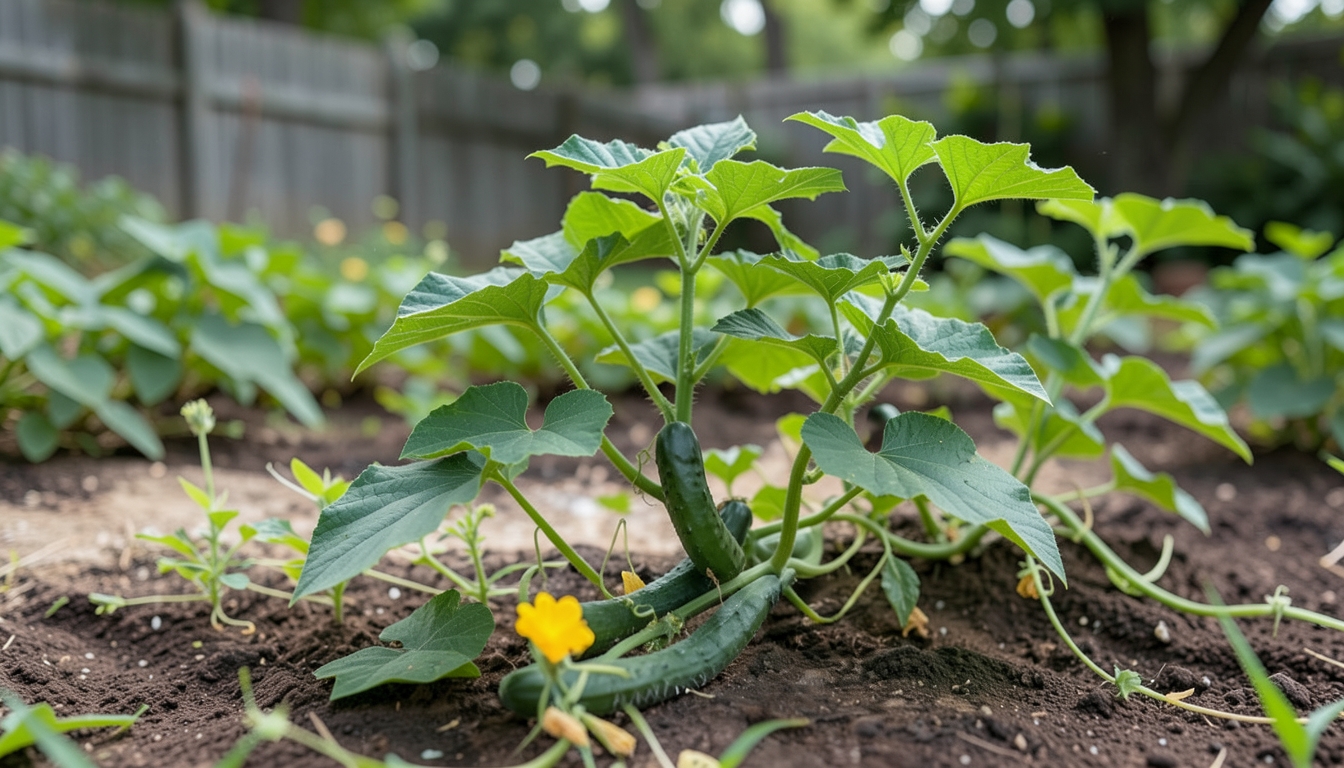
Go vertical. Train cucumbers up a trellis or netting and space plants 12 to 18 inches apart. Growing upward exposes the leaves to more light and airflow, which curbs disease pressure, keeps fruit clean, and lets you pack far more production into a single bed — a genuine advantage when you are fitting a warm-season crop into one urban summer.
Two companion plants are easy wins: nasturtiums, which act as a trap crop and lure aphids away from your vines, and marigolds, a classic partner thought to deter cucumber beetles. Both are nearly carefree and add color while your plants get down to business.
Get Your Personalized Garden Plan
That gives you a solid, general answer for when to plant cucumbers in Chicago. Still, every garden is its own microclimate — a sunny south-facing bed, a wind-exposed corner, or a heat-retaining wall can behave differently even within USDA zone 6b. If you want to fine-tune timing for your exact yard, TheYardWise builds a personalized garden plan using your precise location and local climate data. It’s a simple way to turn broad seasonal guidance into a schedule that fits the spot you actually garden in.
Data Sources & Methodology
Climate
External Source: USDA zone reference table · USDA Plant Hardiness Zone Map
- USDA Plant Hardiness Zone: 6b
- Average Last Spring Frost: April 11
- Average First Autumn Frost: October 11
- Growing Degree Days: 2400
- Approx. Growing Season Length: ~183 days
Plant
Internal Knowledge Base: TheYardWise Plant Database · Crop Agronomy Database
- Typical Zone Soil pH Range: 5.5–7.2 (target ~6.3)
Decision Rules
TheYardWise Agronomy Rules Engine:
- Frost Risk Evaluation
- GDD / Heat-Accumulation Rule
- Heat Stress Evaluation
- Growing Season Rule
Decision Trace
Recommendation: After the average last frost (April 11) once soil warms and frost risk passes.
Data: Average last frost April 11
Rule: Crop-Specific Range Evaluation
Source: USDA zone reference table
Recommendation Confidence: Medium
Reviewed: August 2026