When is the best time to plant tomatoes in chicago
What summer Means for Your Zone 6a Garden
Summer in USDA Zone 6a is the dependable heart of the growing year: a frost-free stretch that typically runs from the average last spring frost on April 11 to the first fall frost on October 11, giving gardeners about 183 days of active growth. Because frost and cold are the primary limiting factor in this zone, summer is the one season when that constraint fully lifts—plants can grow freely without protection.
The weather itself is warm and often humid, with long stretches of heat punctuated by afternoon thunderstorms. The days reach their longest around the summer solstice in late June, then gradually shorten through July and August. Even as the daylight wanes, the days stay long enough well into August to keep photosynthesis humming, which is why warm-season crops do the bulk of their growing in these weeks.
For plants, the long days mean more time to convert sunlight into growth. Warm-season crops—the recommended choice for this zone—respond with rapid vine expansion, flowering, and fruit set. The practical takeaway: use the early summer weeks, once the soil has warmed past that April 11 frost date, to get warm-season plants into the ground. And keep an eye on the hottest stretches of midsummer, when intense heat can slow fruit set on tomatoes; consistent moisture and a bit of afternoon shade help carry plants through. These long, warm days are the engine of the Zone 6a garden—make the most of them.
What to Plant in summer — Zone 6a
In Zone 6a, the thing that really governs a summer garden isn’t heat — it’s frost. Warm-season crops are frost-gated: tender plants go in only after the last frost has passed and the soil has genuinely warmed. Tomatoes are the classic case — an easy, tender warm-season plant that will sit and sulk if planted into cold ground, or be killed outright by a late cold snap. The same patience applies to everything below.
Fruiting vegetables
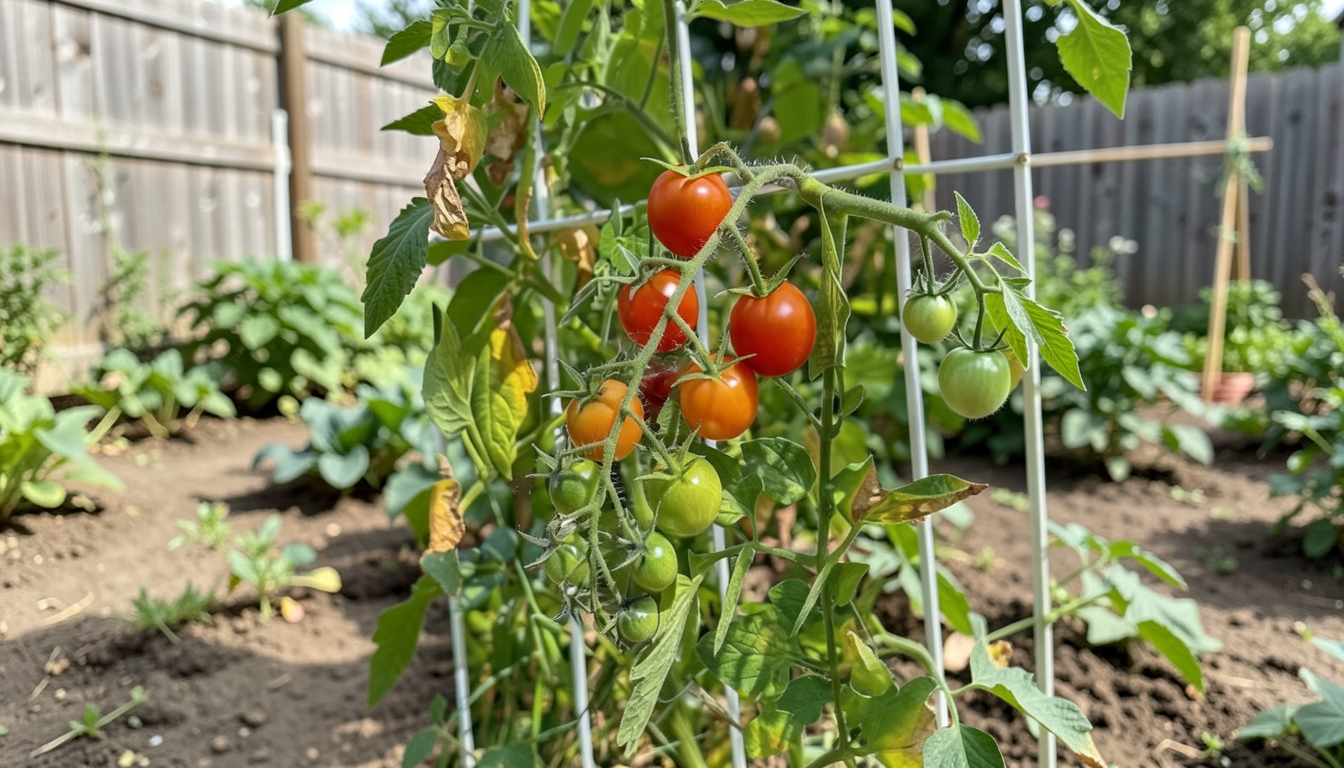
Tomato — The backbone of a Chicago-area summer. Figure roughly 75 days from transplant to maturity, so it’s worth starting with sturdy transplants. Plant in full sun with a cage or stake, water at the base, and expect the harvest to slow during the hottest stretch of midsummer before picking back up.
Pepper — An easy warm-season crop that wants exactly what tomatoes want: warm soil, full sun, steady moisture. Peppers are slower to start but keep producing into fall, so they’re a great second anchor for the same bed.
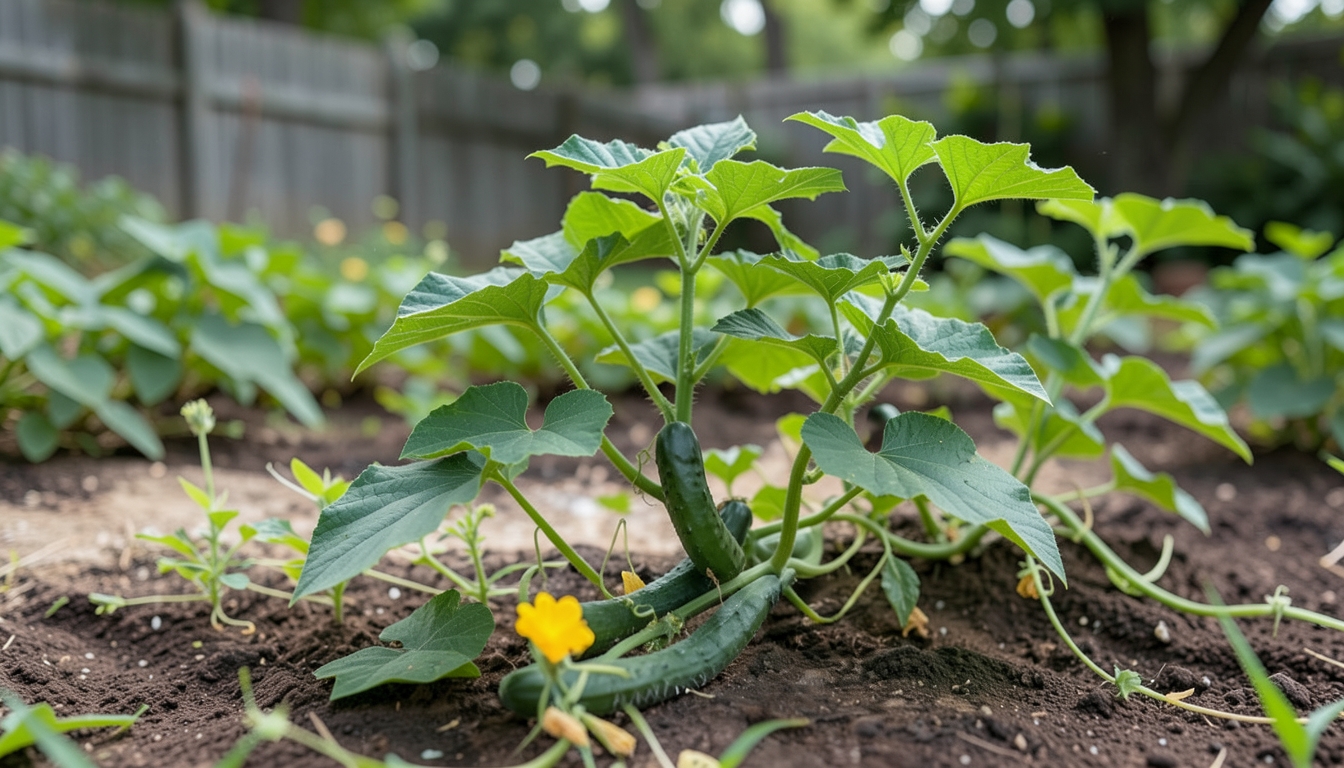
Cucumber — A fast, productive warm-season vine. Plant into warm, well-drained soil in full sun, give it a trellis, and harvest regularly to keep the vines setting fruit all summer.
Summer squash — Warm-season and famously prolific. Give it rich soil, plenty of room, and pick the fruits young; it will keep going until it simply runs out of steam.
Green beans — Warm-season, easy, and quick to germinate once the soil is warm. Sow directly in a sunny spot and you’ll get several weeks of steady picking from each planting.
Herbs
Basil — A true warm-season herb: frost-tender and unhappy in cold soil. Plant it only once the chill is firmly gone, give it full sun and consistent moisture, and pinch off flower heads to keep the leaves coming.
Every one of these rewards the same frost-gated patience in Zone 6a. The exact timing shifts with your own microclimate — a sunny south-facing bed warms sooner than a wind-exposed corner — so watch the soil temperature rather than the calendar.
Garden Preparation Checklist for summer
Zone 6a Summer Garden Prep Checklist — Chicago, IL
Chicago's growing window sits between the average last spring frost (April 11) and first fall frost (October 11) — about six months, which frames everything for warm-season crops like tomatoes. Because planting is frost-gated, the smart summer prep is having soil, tools, and beds ready the moment conditions allow.
Soil Preparation
- Remove spent plants, weeds, and debris so new transplants face no competition for water or nutrients.
- Loosen the top several inches of soil and work in compost or well-aged organic matter. This also improves drainage after spring rains.
- Confirm the soil has actually warmed before planting — frost-free air isn't enough for warm-season tomatoes. Cool, damp soil slows roots and stalls growth.
- Set out mulch (straw or shredded leaves) after planting to hold warmth and retain moisture.
Tools & Bed Readiness
- Clean, sharpen, and oil pruners, trowels, and hoes.
- Inspect and repair tomato cages, stakes, and trellises before plants need support.
- Test drip lines or hoses and reposition them for even coverage across each bed.
- Top up raised beds with fresh soil where levels have settled over winter.
Timing Considerations
- Treat April 11 as the gate, not the green light: transplants go out after frost risk has passed and the soil warms.
- Work backward from October 11 when choosing tomato varieties, so fruit can ripen comfortably within the frost-free window.
- Stage your beds — supports, mulch, and irrigation in place before transplanting day — so you can plant the moment the window opens.
What to Watch For in Your summer Garden
Summer in Zone 6a is when the garden's small problems become season-defining ones. The overall disease picture here is balanced, and standard resistance codes cover most issues — but late blight is the exception. It becomes a serious risk in wet summers, so if rain settles in for more than a few days, check tomato and potato foliage weekly for dark, water-soaked blotches.
The pest lineup follows the crops you're likely growing. On tomatoes, look for hornworms, flea beetles, and aphids. Squash and cucumbers attract squash vine borers, squash bugs, and cucumber beetles — and cucumber beetles matter doubly, since they transmit bacterial wilt. Eggplant and potato share Colorado potato beetle pressure, while beans may draw Mexican bean and Japanese beetles late in the season.
Plant stress usually announces itself through the same symptoms these pests and diseases cause. Leaves that wilt even when soil is moist point to problems like verticillium or bacterial wilt. A white, powdery coating signals powdery mildew, which the data flags for squash and cucumbers. Ragged, chewed foliage tells you beetles or borers have moved in. Check leaf undersides, where aphids and flea beetles cluster and where blight and septoria first appear.
Because tomatoes are frost-tender and planting here is gated on frost, summer is the payoff window — but it rewards a quick weekly walk-through. Catch a problem while it's small, and the rest of the season stays on track.
Get a Season-by-Season Garden Plan
This guide covers the essentials for giving tomatoes a strong start in a Chicago summer: timing the planting around the last frost and warm soil. But your garden doesn't run on a calendar alone. The sunny bed against your south wall warms earlier than a windy corner; a shaded patch stays cooler longer. Those microclimates shift the rhythm for every plant you grow. TheYardWise builds a season-by-season plan around your exact location and conditions, so you're not guessing at dates — you're following the cues that matter in your own yard.
Data Sources & Methodology
Climate
External Source: USDA zone reference table · USDA Plant Hardiness Zone Map
- USDA Plant Hardiness Zone: 6a
- Average Last Spring Frost: April 11
- Average First Autumn Frost: October 11
- Approx. Growing Season Length: ~183 days
Plant
Internal Knowledge Base: TheYardWise Plant Database · Crop Agronomy Database
- Frost Tolerance: Tender
- Days to Maturity: 75
Decision Rules
TheYardWise Agronomy Rules Engine:
- Frost Risk Evaluation
- Growing Season Rule
Decision Trace
Recommendation: After the average last frost (April 11) once soil warms
Data: Average last frost April 11
Rule: Frost Risk Evaluation
Source: USDA zone reference table
Recommendation: Use season extension (row covers / cold frames) or start tender crops indoors.
Data: Average last frost April 11
Rule: Frost Risk Evaluation
Source: Open-Meteo frost data + USDA Plant Hardiness Zone Map
Recommendation Confidence: Medium
Reviewed: August 2026