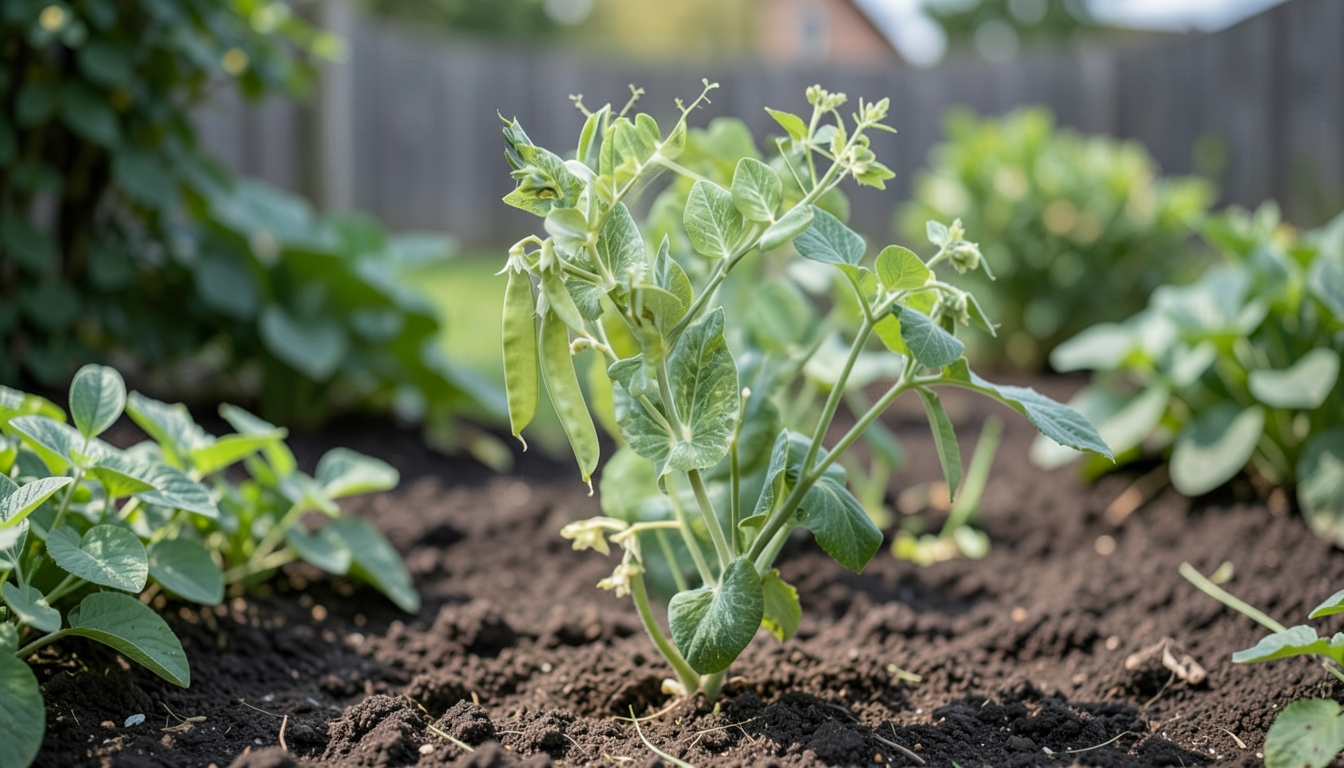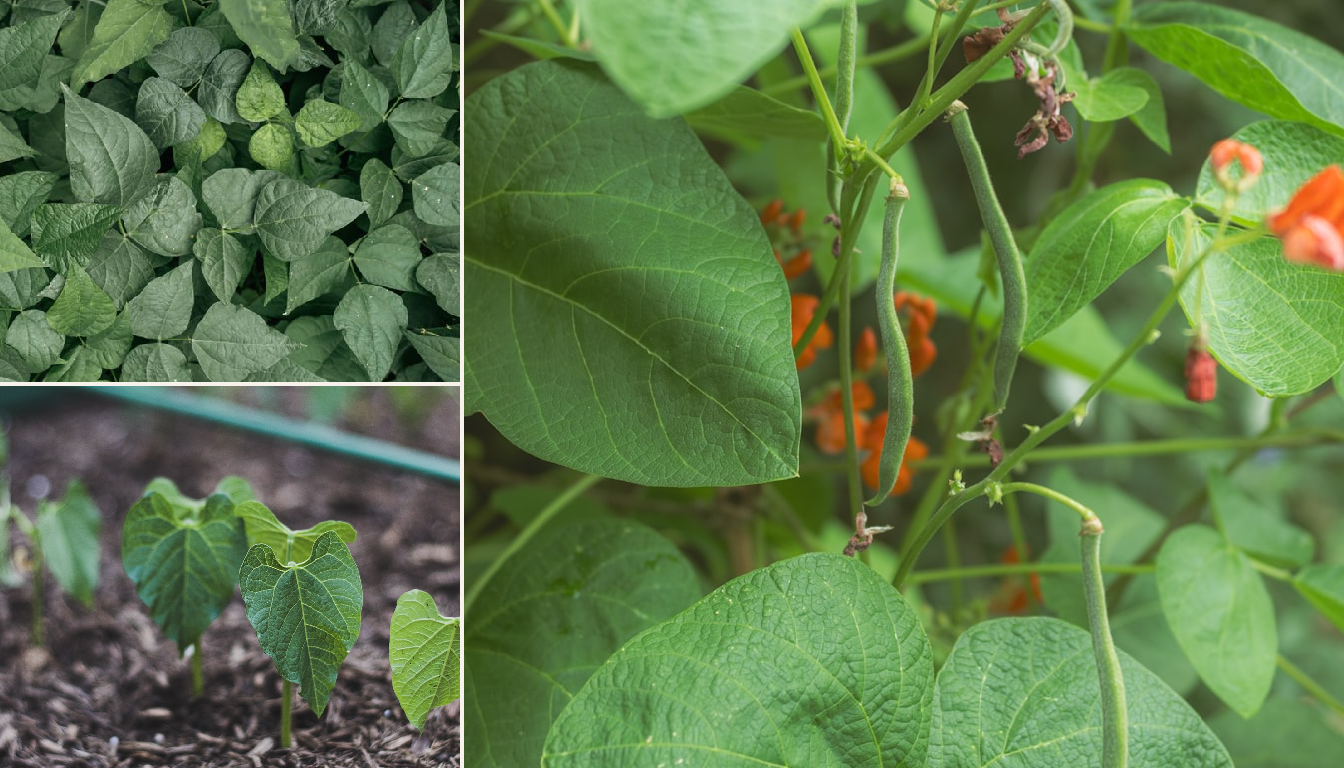
When to plant green beans in washington state
What Green bean Needs to Thrive
Green beans ask for three straightforward things: well-drained, reasonably fertile soil; a bright, fully sunlit spot; and steady water without either extreme.
Start with the soil. Green beans are a warm-season crop, and they perform best in a general temperate garden loam with a pH between 5.5 and 7.5 — roughly neutral ground, with 6.5 as the comfortable middle. Most garden soils fall somewhere in that range, but if you tend to amend heavily, a soil test will tell you exactly where you stand before you add anything. Give them earth that has had a chance to warm through; cold, soggy soil slows them from the moment the seed goes in.
For sun, they want the brightest place your garden offers — full sun, clear and unshaded for the day. That sustained light drives the steady growth that makes green beans so satisfying to grow, so don’t tuck them where a tree or building throws afternoon shade.
Watering falls in the medium range. Green beans do not handle drought well, but they do not want to sit in wet ground either. Because their roots are medium depth, moisture needs to reach consistently down into the soil rather than just dampening the surface. A simple rhythm is to water deeply whenever the top few inches feel dry, then adjust to your own ground: sandy soil drains fast and will need more frequent drinks, while heavier soil holds moisture longer and needs less. Try to keep conditions even — lurching between dry and saturated stresses the plants and can set back flower and pod development.
Understanding How Green bean Grows
Green beans are warm-weather plants through and through, and that one fact explains most of how they grow. They perform at their best when temperatures stay between roughly 18 and 28°C — about 65 to 82°F. Within that band, plants grow steadily, flower, and fill pods. When conditions drift below it, growth slows and plants idle rather than push out new growth.
What matters even more is that green beans are what horticulturists call frost-gated. They are a tender crop, meaning frost is not a minor setback — it damages the leaves and can kill the plant outright. Even a light frost blackens the foliage that the plant depends on to fuel growth, and a hard frost typically ends the season entirely. Because of this, the plant's entire schedule is governed by frost rather than by the calendar: it grows only in the frost-free stretch of the year, which is why it is classed as a warm-season crop. This also means sowing seed before the soil has warmed is rarely rewarded. Cold, wet earth slows germination and can rot the seed before it ever sprouts, so the practical rule is to wait until the last frost has passed and the soil itself has begun to warm.
Against that relatively demanding start, the payoff is speed. Green beans reach maturity in about 55 days from sowing, so once the weather cooperates, the plant moves quickly — you can expect to begin picking pods within roughly two months. That relative quickness makes the tender, temperature-sensitive nature of green beans manageable: the growing window is defined entirely by warmth and frost, but the plant itself wastes little time once conditions are right.
How to Plant Green bean: Basics for Any Garden
Wait for warm soil, not the calendar, before planting green beans. Beans are a warm-season crop, and cold is their main limiting factor: a late frost kills young plants outright, and seeds left in cold, wet ground often rot instead of sprouting. So let the weather give you the signal—the last spring frost has passed and the soil itself has warmed a few inches down, not just the afternoon air. This matters in Washington, where spring conditions vary from place to place and year to year. If the season is slow to warm, wait; a slightly later planting will quickly catch up.
Prepare the bed in a sunny spot first. Green beans send down a medium-sized root system, so loosen the soil about a spade’s depth and clear out rocks, large clumps, and weeds that would crowd young seedlings. Aim for loose, well-drained soil that warms quickly; if your soil is heavy, working in some organic matter like compost improves drainage. Dig only when the soil crumbles easily—working it while soaked creates hard clods that seedlings struggle to push through.
For spacing, give each plant about half a square foot of growing space, which works out to roughly two plants per square foot. You can sow a few seeds at each spot and thin to the strongest seedling once it stands a few inches tall. Plant seeds at the depth noted on your seed packet, then water gently and keep the bed evenly moist without leaving it soggy.
Once seedlings are up, keep an eye on the forecast—a warm stretch doesn’t guarantee frost is finished. If frost threatens overnight, cover young plants with cloth until the danger passes. With warm soil and settled weather, beans grow quickly and reliably; half the job is simply waiting for the right moment.
Common Green bean Problems and How to Avoid Them
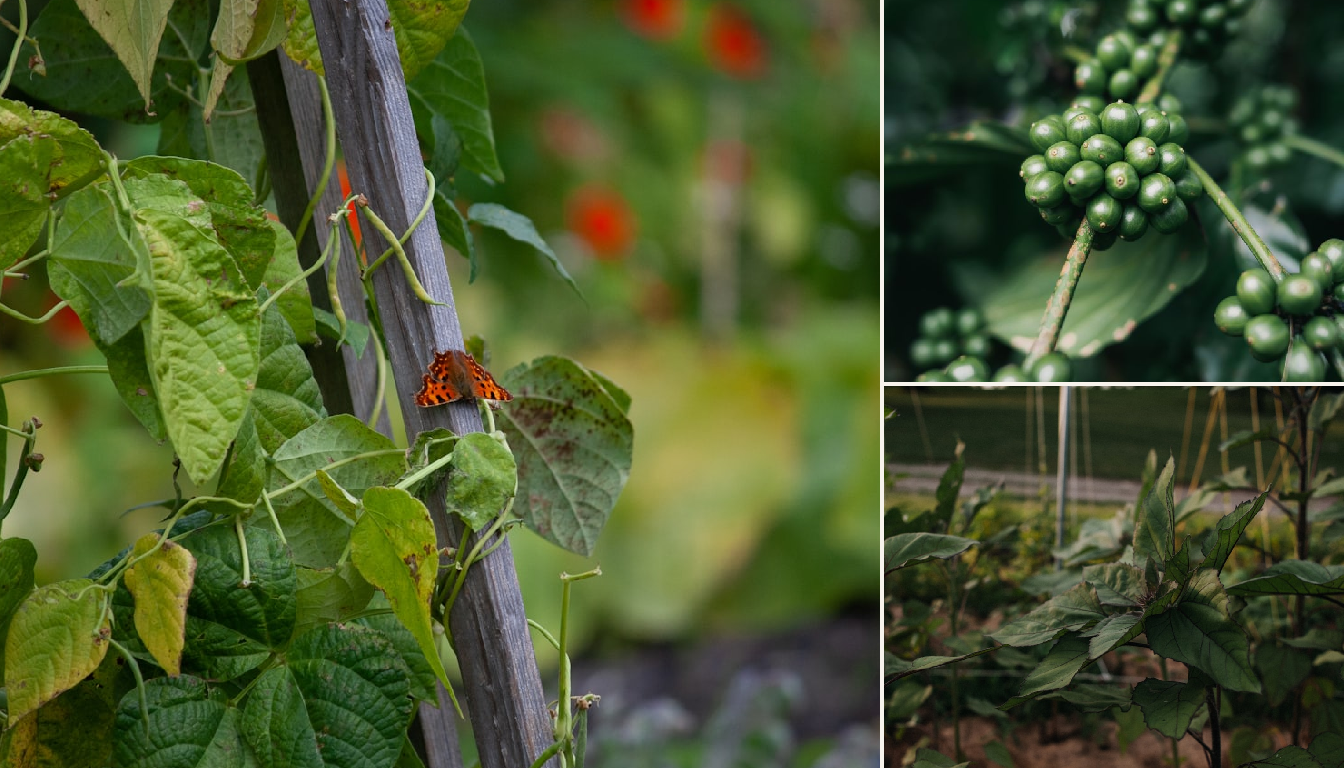
Most green bean troubles come down to a small handful of conditions: cold, wet soil at planting, stress while the plants are flowering, and leaves that stay damp too long.
Poor germination and seedling rot is one of the most frustrating problems. You plant, you wait, and nothing appears — or the young stems collapse at soil level. The scientific cause is usually seed decay from soil-borne fungi that thrive in cold, saturated ground. Green beans are warm-season plants, so their seed is simply not built to sprout in chilly, soggy soil. Prevention is largely a matter of patience: wait until the last frost has passed and the soil has had a chance to warm before sowing, and plant in ground that drains well so seeds are never sitting in standing water.
Blossom drop is another common disappointment. Plants look healthy and bloom heavily, then the flowers fall off without ever forming pods. The cause is stress at a delicate moment: bean flowers abort when the plant is under pressure, commonly from a sudden stretch of extreme heat or from inconsistent moisture while blooming. Prevention focuses on keeping conditions steady — water regularly and deeply during flowering, and add mulch around the roots to hold moisture and moderate soil temperature swings.
Fungal diseases are the third frequent visitor, showing up as powdery white coatings on leaves, brown spots, or a soft gray rot that spreads in humid air. These pathogens develop when foliage stays wet for long stretches and air moves poorly around the plants. Water at the base of the plant rather than overhead, give each plant room to breathe, and support vining types so air circulates through the canopy. Rotating where you plant beans from year to year also helps reduce disease pressure.
Chewing and sap-feeding insects can also set up shop, leaving ragged leaves or curling new growth. Regular inspection, keeping plants vigorous, and encouraging beneficial predators usually keep damage within reason. Whatever problem appears, catching it early and correcting the underlying condition is more effective than any reactive fix.
Get a Personalized Garden Plan for Your Exact Location
This guide answers the common question fully: in Washington, green beans go in once the last frost has passed and the soil warms. But that timing is still a starting point. Every garden is its own mix of soil, sunlight, and local climate, which can shift the right planting moment by days or weeks. TheYardWise builds your planting plan from your exact location, using frost dates and conditions specific to your property rather than a regional average. Build a planting plan around the crops you actually want to grow — timed to your garden, not a general rule.
Data Sources & Methodology
Plant
Internal Knowledge Base: TheYardWise Plant Database · Crop Agronomy Database
- Frost Tolerance: Tender
- Optimal Temperature Range: 18–28
- Days to Maturity: 55
- Typical Zone Soil pH Range: 5.5–7.5 (target ~6.5)
Decision Rules
TheYardWise Agronomy Rules Engine:
Recommendation Confidence: Limited
Reviewed: September 2026