When to plant kale in denver
Understanding Denver's Climate for Growing Kale
Denver's frost-free window — April 16 to October 16 — is long enough for kale, but the plant's comfort zone sits at the cooler edges of that window, not in its warm middle. The most useful takeaway: this climate genuinely suits kale, yet the challenge is heat, not cold, and the opportunity is the season's cool bookends.
The USDA Zone 5b label describes average annual extreme winter lows (roughly -15 to -10°F), which matters for overwintering perennials but barely registers for an annual like kale. What actually governs kale here are the frost dates, which frame a 183-day season without freezing temperatures — generous by any standard. But the frost-free window is only a safety envelope. Kale is a cool-season crop, and the data identifies heat as its primary limiting factor, so the full span of that window is not equally hospitable. The plant prefers temperatures well below the warmest part of the season.
The 2000 GDD tells the rest of the story. A moderate total heat accumulation like this suits a cool-season crop, meaning the season overall has enough warmth to grow kale well — but GDD is a running total and obscures heat spikes. Denver's midsummer heat falls squarely inside the frost-free window, and that is the real challenge.
The opportunity lies in the window's margins. Spring, before sustained heat builds, and fall, as temperatures cool back below the heat-stress threshold, both offer the mild conditions kale prefers. Denver effectively provides two kale seasons within one frost-free frame — a climate quirk worth planning around.
Optimal Planting Window for Kale in Denver
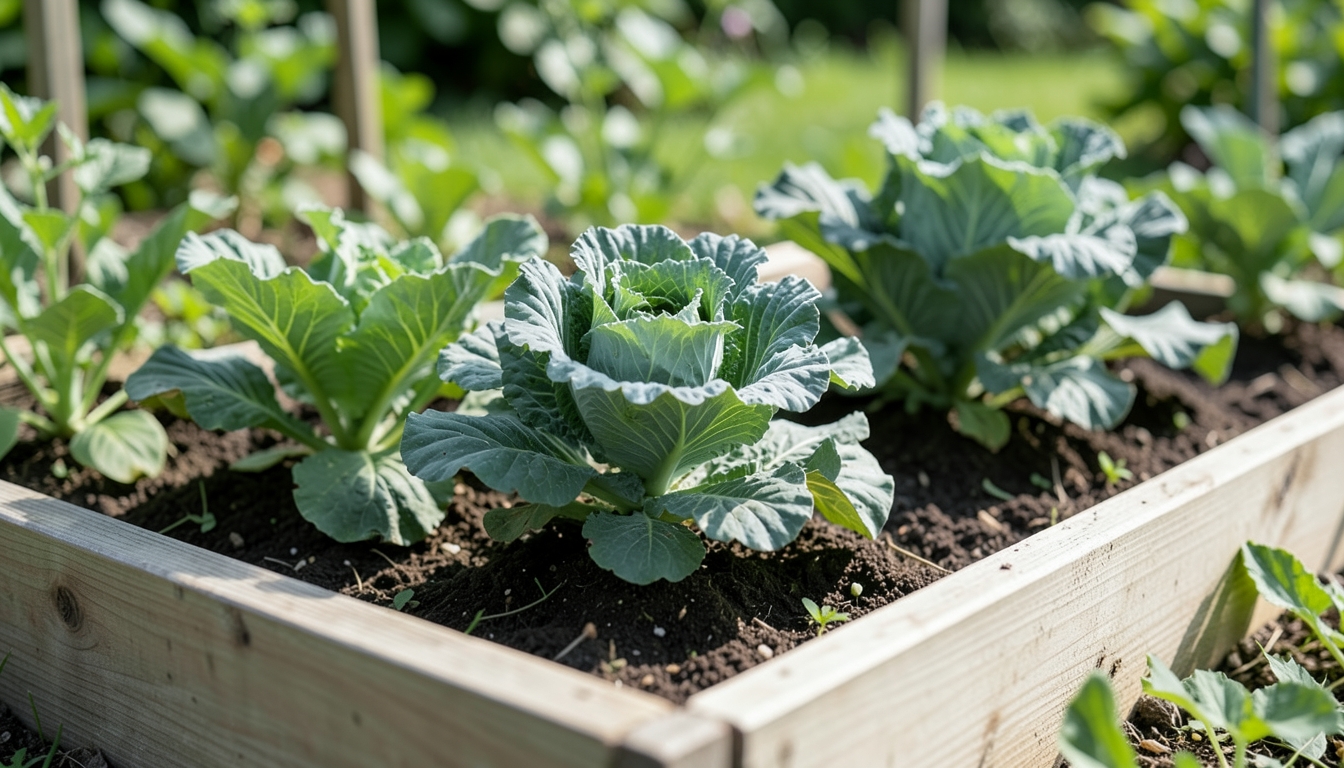
Treat kale in Denver as a two-window crop: plant it early enough that it matures before sustained heat arrives, or late enough that it finishes as temperatures cool back below the heat-stress threshold. The recommended windows are deliberately qualitative — “early in the season, before sustained heat sets in” for spring, and “late-season, as temperatures cool below the heat-stress threshold” for fall. That’s not a gap in the guidance; it’s because temperature, not the calendar, decides kale’s season in Zone 5b.
Timing matters because kale is a cool-season crop with a 55-day countdown to maturity. If sustained heat lands before that countdown finishes, growth stalls, leaves turn tough and bitter, and plants are prone to bolting. Cold, by contrast, is nearly a non-issue: kale tolerates frost, and a fall frost actually improves flavor.
For spring, “early in the season” means: plant as soon as the soil is workable, while daytime highs are still cool and frosty nights are still likely. Those conditions suit kale perfectly, and the signal that ends the window is sustained heat. Day-length takes a back seat here — kale responds mainly to temperature, so let the thermometer guide you. Count backward from the heat: a spring planting needs roughly 55 days of cool weather to finish well.
For fall, “as temperatures cool below the heat-stress threshold” means waiting out the worst of summer, then planting so that a 55-day maturity lands in cooling weather. Frost heading into harvest is a bonus, not a problem.
Quick reference:
- Spring: plant when soil is workable; frost is fine. Stop when sustained heat sets in.
- Fall: plant once heat stress eases; expect 55 days of cooling weather to harvest.
- Summer: kale’s off-season in Denver — heat is the primary limiting factor.
One honest caveat: these windows come from kale’s physiology plus the Zone 5b reference rather than a station-specific weather record, so watch the temperature signals above and let them override what a calendar date suggests.
Common Problems When Growing Kale in Denver
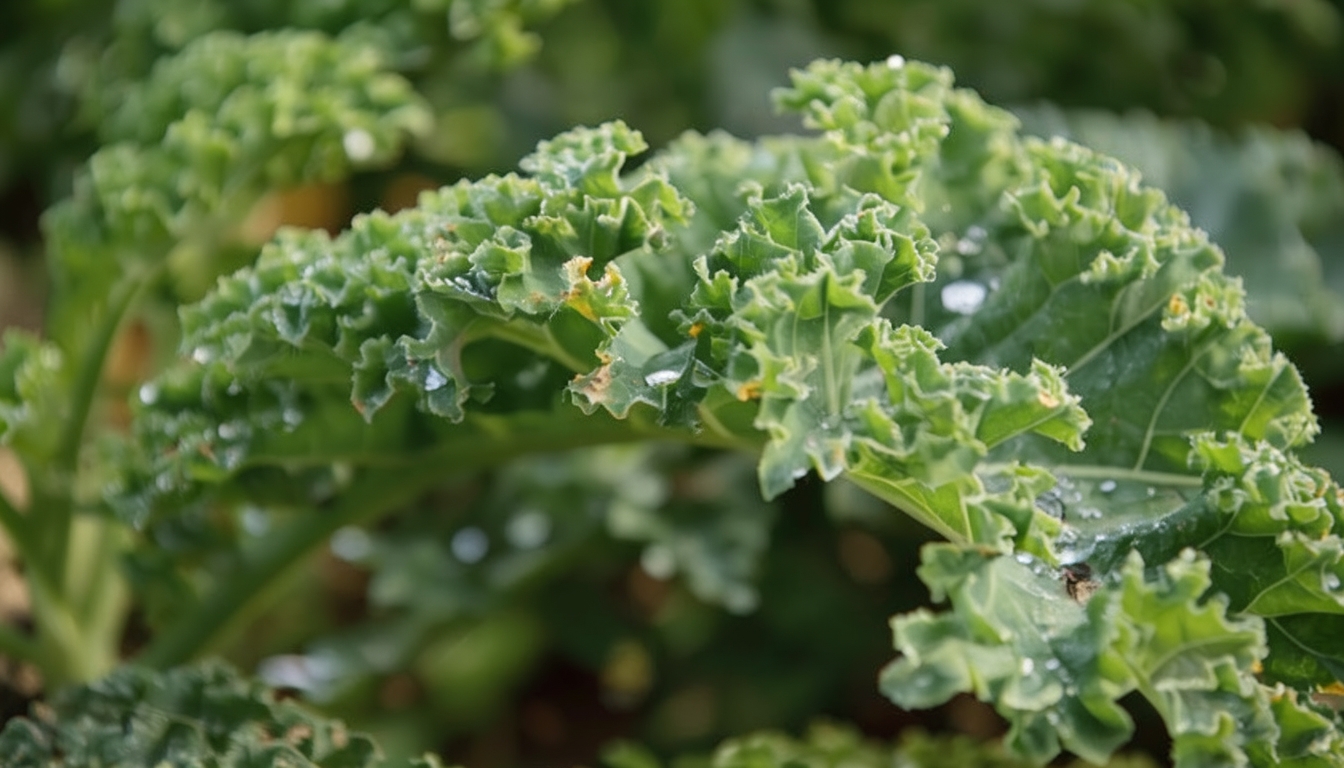
Kale's summer struggles in Denver all trace back to one thing: heat. For a cool-season crop in Zone 5b, sustained summer warmth is the primary limiting factor, and most midsummer failures come from the plant's biological reaction to temperatures it simply wasn't built for.
Bolting (going to seed). The most dramatic failure: a flower stalk shoots up from the center of the rosette, leaves become small and sparse, and the plant turns woody and unpalatable. Botanically, kale is a biennial meant to flower in its second year. Sustained heat tricks it into reading summer as the end of its life cycle, so it rushes to set seed. Denver's spring window is early, "before sustained heat sets in," so kale planted late is especially vulnerable. Prevention: follow the heat-avoid schedule so most growth happens while days are still cool, and snap off any emerging flower stalk promptly — this delays, though doesn't stop, the decline.
Bitter, tough leaves. Even before bolting, heat makes kale leaves coarse and sharply bitter. High temperatures push the plant to accumulate defensive compounds and extra structural fiber — the very chemistry that gives kale its nutritional punch turns harsh under stress. Prevention: harvest young leaves continuously, water deeply so roots stay cool, and mulch the soil so it doesn't bake on hot afternoons. Reserve your best-quality harvests for the spring and fall windows, when leaf quality is naturally at its peak.
Midday wilting and stalled growth. On hot days, leaves droop even when the soil is moist, and growth slows to nearly nothing. Warm, dry air pulls water from the leaves faster than the roots can replace it, and kale's cool-weather metabolism idles in response. Prevention: water deeply and consistently, add a generous layer of mulch, and if you keep a bed going through the worst weeks, drape shade cloth over it to keep temperatures below the stress threshold.
Pro Tips for Kale Success in Denver
Give each kale plant a generous 2.25 square feet — roughly 18 inches by 18 inches. Crowded kale doesn't just compete for water; tight rows trap humid air against the leaves, which invites disease just as temperatures start climbing. That spacing keeps air moving and lets each plant build the deep root system it needs to ride out Denver's warm stretches without stress.
Treat partial shade as your summer advantage. Kale will grow in full sun, but since heat is what stops this crop in its tracks, a bed that catches morning sun and eases into afternoon shade keeps leaves tender and slows the bitter, bolt-prone slide that hot weather triggers. If your only option is full sun, lay down a thick mulch to keep the root zone cool.
Because heat is what makes kale turn bitter and go to seed, keeping the soil consistently moist — never soggy — is your strongest defense. Water at the base rather than overhead, and top the bed with a few inches of organic mulch to cool the roots and stretch the time between waterings. Working compost into the soil before planting helps it hold that moisture without getting waterlogged.
For companions, marigolds and dill earn their keep. Their flowers draw in the beneficial insects that prey on the aphids and cabbage worms that home in on kale, giving you a head start on pest control that doesn't depend on spraying.
Get Your Personalized Garden Plan
Most kale questions have a clear answer: in Denver’s zone 5b, kale is a cool-season crop, so the main decision is working around summer heat rather than winter cold. That baseline gets you most of the way there. But every garden has its own microclimate — a sunny south-facing bed warms up earlier, while a wind-exposed corner stays cooler longer, even within the same zone. TheYardWise creates a personalized garden plan using your exact location and local climate data, so your planting dates reflect what’s actually happening in your yard, not just the general zone.
Data Sources & Methodology
Climate
External Source: USDA zone reference table · USDA Plant Hardiness Zone Map
- USDA Plant Hardiness Zone: 5b
- Average Last Spring Frost: April 16
- Average First Autumn Frost: October 16
- Growing Degree Days: 2000
- Approx. Growing Season Length: ~183 days
Plant
Internal Knowledge Base: TheYardWise Plant Database · Crop Agronomy Database
- Frost Tolerance: Hardy
- Days to Maturity: 55
- Typical Zone Soil pH Range: 5.5–7.2 (target ~6.3)
Decision Rules
TheYardWise Agronomy Rules Engine:
- Frost Risk Evaluation
- GDD / Heat-Accumulation Rule
- Heat Stress Evaluation
- Growing Season Rule
Decision Trace
Recommendation: Early in the season, before sustained heat sets in
Data: Average last frost April 16
Rule: Heat Stress Evaluation
Source: USDA zone reference table
Recommendation Confidence: Medium
Reviewed: August 2026