When to plant peas in austin
Understanding Austin's Climate for Growing Pea
Austin's frost-free window runs from April 1 to October 1 — a generous 183 days — but for peas, that number is almost misleading. Frost-free only means temperatures stay above freezing. Peas are a cool-season crop whose preferred temperature range sits well below the warmth that dominates the middle of an Austin growing year, so the season that actually matters is the cool margins at either end of that window, not the whole span.
USDA Zone 8b describes Austin's mild winter minimums, and that is the genuine opportunity. Winters are gentle enough that a cool-season plant can use the cold months productively, when heat-loving crops are dormant.
The 3200 GDD tells the other side of the story. Growing degree days measure accumulated heat, and Austin accumulates a lot of it. For peas, more heat means faster development — but speed is not a benefit here. Once sustained warmth arrives, the plant races through flowering and pod set, then declines before the harvest has a chance to be generous. High GDD is why a long frost-free season effectively narrows for a crop built for mild weather.
So the frost dates frame when plants won't freeze, while pea biology defines when they'll actually thrive — and those two conditions only overlap at the edges. The productive season for peas sits in the cooler shoulders of the frost-free window, before sustained heat builds and after it fades.
Optimal Planting Window for Pea in Austin
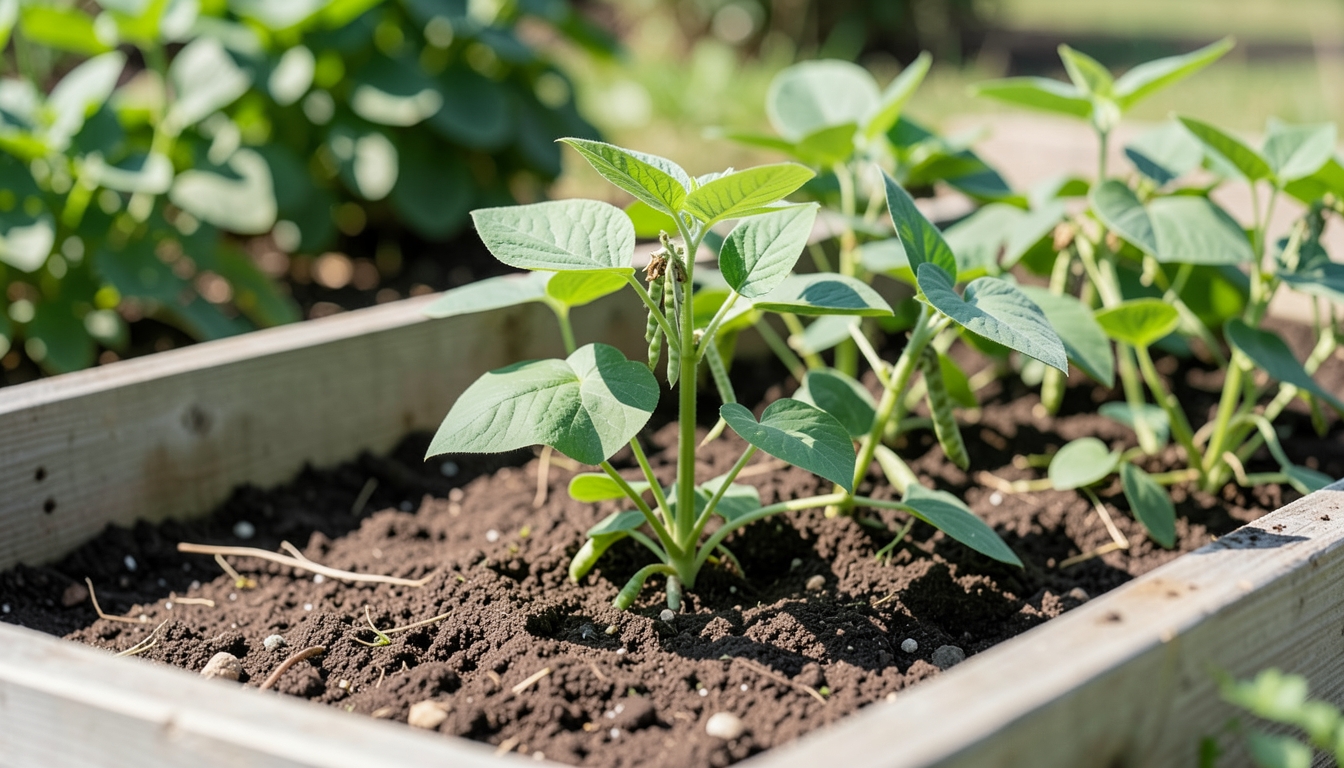
In Austin, peas are a cool-season crop, and the planting window is set by heat, not by the calendar. You get two chances to grow them: sow early in the season before sustained heat sets in, or sow late in the season once temperatures cool back below the heat-stress threshold. Austin’s USDA zone 8b brings mild winters, so the practical spring window is roughly late winter into early spring, and the fall window lands in autumn. But the exact timing shifts with the weather, so treat this as a condition-based window, not a fixed date — it’s drawn from pea physiology plus the zone reference, and a specific year can move it by weeks.
Why timing matters: peas need about 60 days to mature, and they flower and fill pods best while the weather is still cool. In spring, a late sowing pushes pod set into the heat — the very thing that limits this crop here. The goal is to have harvest done before sustained heat arrives. In fall, you want to sow once the heat has broken but with enough cool weather ahead to finish those 60 days.
Signals to watch: temperature is the main cue, not day length. In spring, plant when the soil is workable and daytime highs are still mild, with cool nights — before the stretch of genuinely hot weather begins. Watch lengthening days as a warning that heat is on the way, and don’t delay. In fall, the signal is nights cooling and summer heat losing its grip.
Quick reference:
- Spring sowing: plant while days stay cool and soil is workable; harvest should land before sustained heat. Sow too late and pods set during hot weather, with poor yields.
- Fall sowing: plant after the heat breaks, giving yourself roughly 60 days of cool weather to reach maturity. Sow too late and the plants run out of growing time before deep cold stops them.
In both windows, the same rule applies: cool air and cool soil are your yes-signal; heat is the deadline.
Common Problems When Growing Pea in Austin
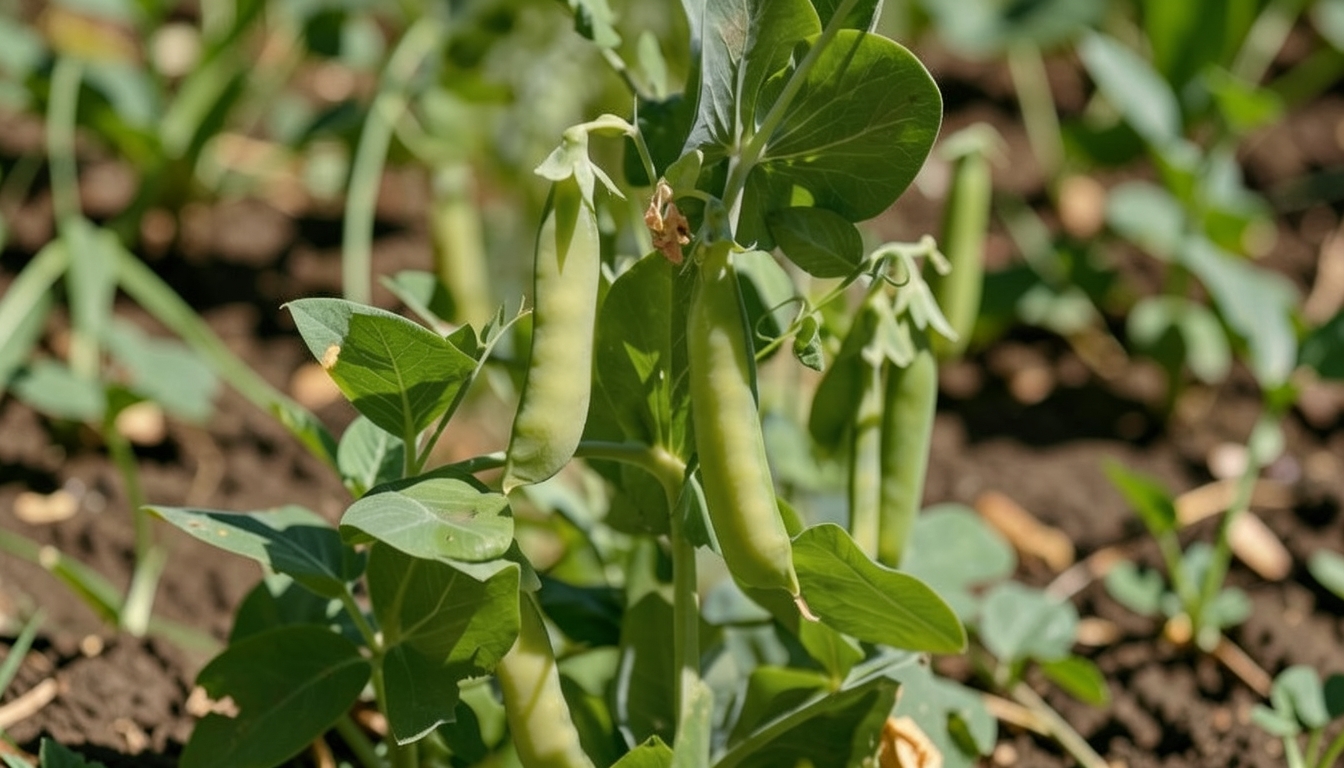
Peas in Austin rarely fail because of cold — the plants are hardy to frost. The failures that do happen all trace back to one reality: peas are a cool-season crop, and here heat is the primary limiting factor.
Heat cuts the harvest short. The first sign is usually blossoms dropping while the vine still looks healthy; pods that do form stay thin and flat, and the plant yellows from the base up. The science is straightforward: sustained heat interrupts pollination and pod filling in cool-season legumes, so once the heat-stress threshold is crossed, the plant stops investing in fruit. Prevention is a timing choice — plant at the start of the spring window, before sustained heat sets in, and treat the fall window as the reliable second chance once temperatures are truly below the heat-stress threshold.
Warm soil gives you a ragged stand. Patchy rows, seedlings coming up days apart, a few seeds that simply rot: pea seeds germinate best in cool, consistently moist soil. Because the spring window is short, delaying can push sowing into ground that's already too warm. Prevention: get seeds in as early in the spring window as the soil is workable — a late frost won't hurt a hardy pea seedling, but warm soil will hurt germination.
Fall seedlings that stall. If you plant the fall crop on a calendar date rather than when the air has actually cooled, seedlings may sit, yellow, or damp off. Young peas need the same cool conditions mature vines do. Prevention: wait until the late-season cooling is genuinely established before sowing.
Powdery mildew on aging vines. Late in the season, white powdery patches can spread over leaves, especially where plants crowd and foliage stays wet. It's a fungal disease that loves poor airflow. Prevention: give plants room, water at the soil line rather than overhead, choose mildew-resistant varieties when available, and pull spent vines promptly.
None of these problems are exotic — they're what happens when a cool-season plant meets a zone where heat, not frost, sets the limits. Work with the windows and the season works.
Pro Tips for Pea Success in Austin
Give your peas a bed that drains freely and stays consistently moist — never waterlogged, never bone-dry. With heat carrying most of the risk for peas in Austin, steady soil moisture keeps the plants turgid and slows the stress that sets in as temperatures climb. A layer of mulch over the root zone does double duty: it holds moisture in and keeps the soil a few degrees cooler once the sun turns serious.
Make the most of your square footage by growing up. Peas climb naturally, and at roughly a quarter square foot per plant you can set them quite close — then train them up a trellis or netting. Going vertical keeps vines healthier with better airflow, makes picking far easier, and lifts pods off damp ground where they can rot.
For light, the preference runs from full sun to partial shade — and in an Austin spring, that partial-shade option is worth using. A spot that gets good morning sun but slips into shade by mid-afternoon gives the plants the light they need while dodging the worst of the day's heat, and every bit of heat avoidance helps a cool-season crop finish strong before the season turns.
For company, tuck quick, shallow-rooted neighbors in alongside your peas. Radishes are a classic partner: they sprout fast, mark your rows while peas are still slow to emerge, and help break up the soil surface. Carrots share the same cool-season timing and root deeper than the peas, so the two won't crowd each other.
Get Your Personalized Garden Plan
The general guidance above gives you a solid, practical timeline for growing peas as a cool-season crop in Austin’s Zone 8b — plant early to dodge the heat, or again as temperatures cool in the fall. But every garden is genuinely unique: a sunny south-facing bed warms faster, a wind-exposed spot stays cooler, and a heat-retaining corner near a wall can push plants past their stress threshold sooner, even within the same zone. That’s where TheYardWise comes in — it builds your personalized garden plan using local climate data matched to your exact location, so your planting windows reflect your garden, not just a general rule.
Data Sources & Methodology
Climate
External Source: USDA zone reference table · USDA Plant Hardiness Zone Map
- USDA Plant Hardiness Zone: 8b
- Average Last Spring Frost: April 1
- Average First Autumn Frost: October 1
- Growing Degree Days: 3200
- Approx. Growing Season Length: ~183 days
Plant
Internal Knowledge Base: TheYardWise Plant Database · Crop Agronomy Database
- Frost Tolerance: Hardy
- Days to Maturity: 60
- Typical Zone Soil pH Range: 5–8.2 (target ~6.6)
Decision Rules
TheYardWise Agronomy Rules Engine:
- Frost Risk Evaluation
- GDD / Heat-Accumulation Rule
- Heat Stress Evaluation
- Growing Season Rule
Decision Trace
Recommendation: Early in the season, before sustained heat sets in
Data: Average last frost April 1
Rule: Heat Stress Evaluation
Source: USDA zone reference table
Recommendation Confidence: Medium
Reviewed: August 2026