Why are my pumpkin fruit dying
Pumpkin fruit dying: What's Going Wrong
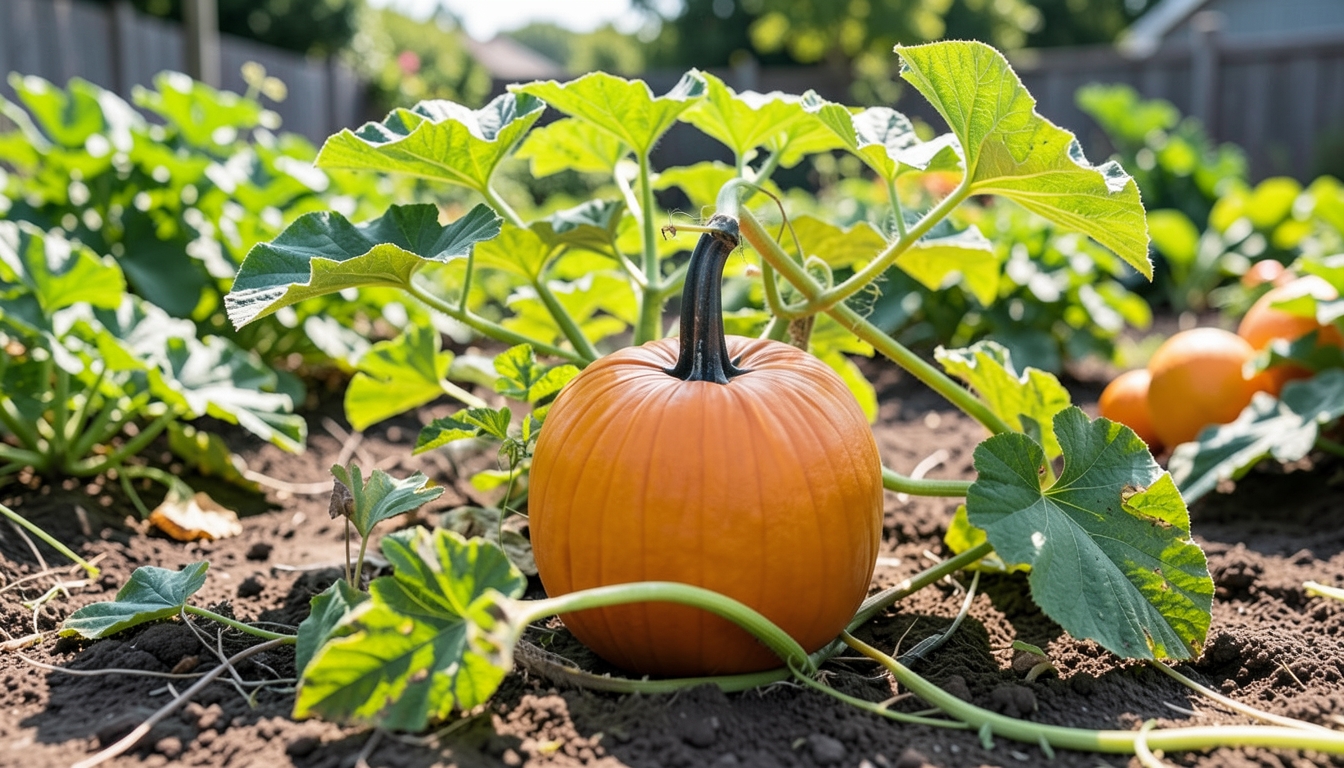
It’s genuinely disheartening to watch a promising young pumpkin stall and fail, especially when the vine itself looks perfectly healthy. In clear terms, a dying pumpkin fruit usually begins by simply stopping growth: the small green fruit stays the same size for a week or more, then takes on a dull, yellowish or pale tint. The skin may soften and wrinkle, and the fruit often shrivels from the blossom end — the tip opposite the stem — while the base still looks intact. In some cases, the short stem attaching the fruit turns soft or brownish before the fruit collapses.
This typically shows up once fruits are small, roughly from golf-ball to softball size, during the heat of summer. Since pumpkins are warm-season and frost-gated, you’re usually seeing this well after flowering, in mid-to-late summer, when heat and heavy vine growth put real stress on each developing fruit.
To confirm what you’re observing, look at the whole picture rather than one fruit. Check whether the female flower was successfully pollinated: a pollinated fruit begins swelling within days, while an unpollinated one yellows and drops. Gently squeeze the fruit — a rotting one feels soft, leaks, or caves in slightly at the blossom end. Inspect the stem and nearby leaves for tiny borer holes or sudden wilting, and consider recent weather: prolonged heat or uneven watering can cause otherwise healthy vines to abort young fruit. None of these checks alone proves a cause — several conditions look nearly identical — but together they give you a clear, honest read on whether the fruit is failing from pollination, rot, or vine stress.
The Science Behind Pumpkin fruit dying
Pumpkin fruit that shrivels and dies is usually the vine's own survival decision, not a mystery ailment. Pumpkin is a warm-season plant built for a narrow comfort band: it performs best between 20°C and 30°C and reaches a lethal stress threshold at 35°C. When conditions push beyond that optimum, the biological mechanism that keeps fruit alive — the steady delivery of water, sugars, and nutrients from the vine into the developing fruit — begins to fail. A stressed plant reallocates its limited resources toward roots and leaves, cutting off its most expensive part: the fruit. The developing fruit stops expanding, softens, and dies. This is fruit abortion, a resource-allocation response, not a random failure.
The environmental triggers follow directly. Heat is the clearest: the gap between the top of the optimal range (30°C) and the lethal ceiling (35°C) is only five degrees, so a string of hot days can tip the plant into acute stress. Water matters too. Pumpkin has a medium water requirement — it needs steady moisture to keep those large, watery fruits turgid and fed. When moisture swings, the vine's delivery system falters, and fruit are the first casualties. Cold is the other trigger. Frost is this plant's primary limiting factor, and planting is frost-gated: the season begins only after the last spring frost passes and the soil warms. Because the entire plant is tuned to warm conditions, a late cold spell — even one that does not quite freeze — can shock a vine that has already set fruit, and that fruit will be the first structure lost.
Why is pumpkin so susceptible? The broader climate here poses no significant limitations; the vulnerability is the plant's narrow comfort zone. Its fruits are enormous, fleshy structures that demand constant water and sugar, and with a lethal ceiling only five degrees above the top of its optimal band, every fruit is a large investment the vine will abandon under stress rather than risk the whole plant.
How to Prevent Pumpkin fruit dying Before It Starts
Give each pumpkin vine its own 24 square feet and wait for the soil to truly warm up before planting. These two decisions prevent more dying fruit than anything you’ll do once the vines are up. A vine crowded into less space competes for light and water, and its leaves stay wet after rain or dew, inviting the kinds of fruit rot that end a pumpkin’s life in its first weeks. Generous spacing is your cheapest disease prevention.
Timing works the same way. Pumpkins are warm-season plants, and cold is their only serious limiting factor. Wait until the last spring frost has passed and the soil has warmed before setting out plants. Fruit set on a vine that was stressed by cold soil is often aborted early, so resist the urge to plant on the first mild day.
Before planting, prepare the ground to hold steady moisture. Loosen the soil deeply and work in organic matter such as compost so water soaks in rather than pooling around the stem — soggy ground at the base is a direct cause of young fruit rotting on the vine.
When watering, aim for consistency over volume. Keep the soil evenly moist but not waterlogged, water at the base of the plant, and keep foliage dry, since wet leaves invite disease. A layer of mulch helps even out the swings between dry and saturated soil, which also protects against the fruit-end rotting linked to uneven moisture.
If fruit are still failing, check timing first: vines planted too early, or flowering before the weather has settled, are simply not ready to carry fruit. Give them warmth, room, and steady moisture, and most of the dying stops before it starts.
If It's Already Happening: Recovery Steps
First, sort the dying fruit from the dying vine. A small fruit that yellows, softens, or rots shortly after the flower drops is usually one that was never pollinated or was aborted under stress; it cannot be revived. Remove it promptly so the plant stops feeding it and redirects energy to fruit that is still firm, green, and attached to a healthy vine. If the whole vine is wilted or discolored, treat that as the more urgent problem.
The fruit you can still save are the ones that look healthy right now. Give those vines steady care: water at the base early in the day, deeply enough to soak the root zone, and keep the soil evenly moist rather than letting it swing from dry to soaked — pumpkins have medium water needs, and stress from uneven moisture is a common trigger for fruit abortion. Make sure the plant is getting full sun, and if you suspect poor pollination, hand-pollinate newly opening female flowers with a male flower in the morning. Keep plants supported and avoid moving or turning developing fruit unnecessarily.
Be honest with yourself about what is a loss. Any fruit already yellow, soft, or rotting is gone — no spray or treatment will bring it back. The limiting factor you cannot out-manage is cold: pumpkins are frost-gated, and frost/cold is their primary limiting factor. If cold is what killed the fruit, those fruit are lost, and the season may be over unless more warm weather remains. Accept that, pull the dead fruit, and if the plant is otherwise healthy, let it try again while warm soil and frost-free days remain. Recovery is possible, but it is not guaranteed — it depends on catching the cause early and on the weather cooperating.
Prevent Problems With a Personalized Garden Plan
The general fix is clear: pumpkins are warm-season vines, and frost is their limiting factor — plant too early and the cold can stress the vine enough to kill developing fruit. For most gardens, the answer is to wait until the last spring frost has passed and the soil has warmed. But the best way to prevent the problem is knowing your garden's own risks, because frost dates and soil-warming pace vary locally. TheYardWise analyzes climate data for your exact area to turn that general rule into a personalized planting window.
Data Sources & Methodology
Plant
Internal Knowledge Base: TheYardWise Plant Database · Crop Agronomy Database
- Frost Tolerance: Very Tender
- Optimal Temperature Range: 20–30
Decision Rules
TheYardWise Agronomy Rules Engine:
Recommendation Confidence: Limited
Reviewed: August 2026