When to plant pumpkins for halloween
What Pumpkin Needs to Thrive
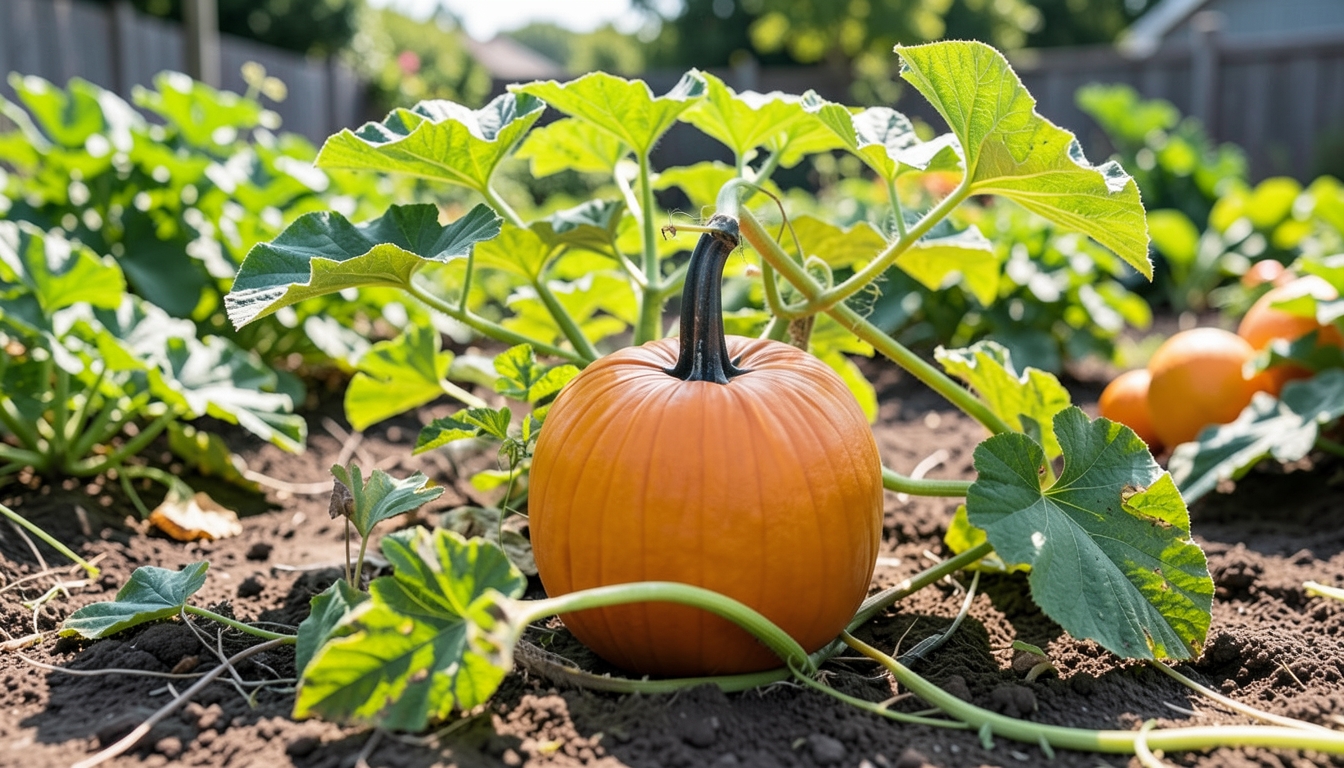
Give pumpkins the sunniest spot you can find. They ask for full sun — an open, south-facing bed that gets direct light most of the day. Shade will slow growth and reduce flowering.
Pumpkins are not fussy about soil type, but they do want a well-drained loam. They thrive in soil that falls between pH 5.5 and 7.5, with a happy medium around 6.5 — slightly acidic to neutral. A standard temperate garden loam usually works; a soil test is worthwhile before you amend, so you can adjust only what actually needs adjusting. Because pumpkin roots grow deep, loosen the soil a good spade’s depth and mix in plenty of organic matter, such as compost, before planting. Well-draining soil prevents waterlogged roots, which this crop tolerates poorly.
Water needs are moderate — not soggy, not bone-dry. A medium requirement means you should aim for even soil moisture, especially once vines start running and during flowering and fruit development. Deep roots let pumpkins draw water from lower in the soil profile, so watering deeply but less often encourages the roots to reach down and makes the plant more resilient during dry spells. A good rule: water thoroughly when the top few inches begin to dry, rather than sprinkling lightly every day. Mulch around the base can help hold moisture and keep the soil temperature steady.
Understanding How Pumpkin Grows
A pumpkin vine needs about 100 days of reliably warm, completely frost-free weather to go from seed to ripe fruit — and it cannot tolerate even a single frost along the way. Everything about growing pumpkins follows from that one constraint.
Pumpkins are warm-season plants, and they perform best when temperatures stay in a consistent band of roughly 20–30°C (68–86°F). Within that range, the vine grows steadily, flowers open in sequence, and fruit swells and ripens on schedule. When temperatures hover at the cool end of the range, growth slows noticeably; when they climb well above it, the vine can become stressed and fruit set may suffer. This is not a crop that needs warmth only to germinate — it wants the heat to hold through the entire cycle.
The 100-day count runs from seeding to harvest, and it is generous. A plant that gets a slow, cool start falls behind, and because the maturity clock keeps running, that early sluggishness means less fully ripe fruit at the finish. Pumpkins are not a quick crop that can be squeezed into a short stretch of good weather.
Frost tolerance is effectively zero. Pumpkins are classed as very tender, meaning frost is not a temporary setback but a kill event — a single frost will destroy the vine outright. Cold is the plant's primary limiting factor, which is why planting is frost-gated: the seed must wait until after the last spring frost has passed and the soil itself has begun to warm. In practice, the gardener needs the entire 100-day journey to fit between the last frost of spring and the first frost of autumn, and the vine should be sited where warmth is captured and held — a full-sun spot, sheltered from cold winds, in soil that drains and warms quickly.
How to Plant Pumpkin: Basics for Any Garden
Wait for genuinely warm soil before planting pumpkins. This is a warm-season, frost-gated crop, meaning frost and cold soil are the limiting factors — so timing comes down to weather signals, not a date on the calendar. Put seeds or transplants out only after the last spring frost has passed and the soil has warmed for good. A practical check: the soil should feel warm to the touch a few inches down, and nights should be consistently mild. One warm afternoon isn't enough. Because pumpkins need a long warm season to size up before fall, plant as soon as that window reliably opens so the vines get the full summer.
Prepare the bed by loosening the soil deeply. Pumpkin roots are deep, so break up the soil a full spade's depth or more to let roots reach moisture through the summer. If your soil is heavy or low in organic matter, work in compost before planting to improve drainage and fertility. Planting in a low mound or hill helps the soil warm faster in spring and keeps roots from sitting in wet ground.
Give each pumpkin plant a full 24 square feet — roughly a 4-by-6-foot patch per plant. That sounds generous, but pumpkin vines sprawl widely, and good airflow around the leaves reduces disease pressure. If you're sowing seeds, plant two or three per hill and thin to the strongest seedling once they emerge. Resist crowding; one healthy vine in its own space will outperform several squeezed together.
If Halloween jack-o'-lanterns are the goal, choose a variety whose days to maturity fit comfortably within your frost-free growing season. Plant once the soil warms, water at the base rather than over the leaves, and let those deep roots anchor the vine through summer heat.
Common Pumpkin Problems and How to Avoid Them
Poor fruit set. Female pumpkin flowers stay open for only about a day, and if they don't receive enough pollen during that window, the tiny fruit behind the flower yellows, shrivels, and drops off. Pumpkins need many pollen grains deposited on the stigma to develop a full fruit, which normally means many bee visits per flower. Prevention: plant nectar-rich companion flowers nearby to attract pollinators, avoid insecticides while vines are blooming, and hand-pollinate in the morning as a reliable backup.
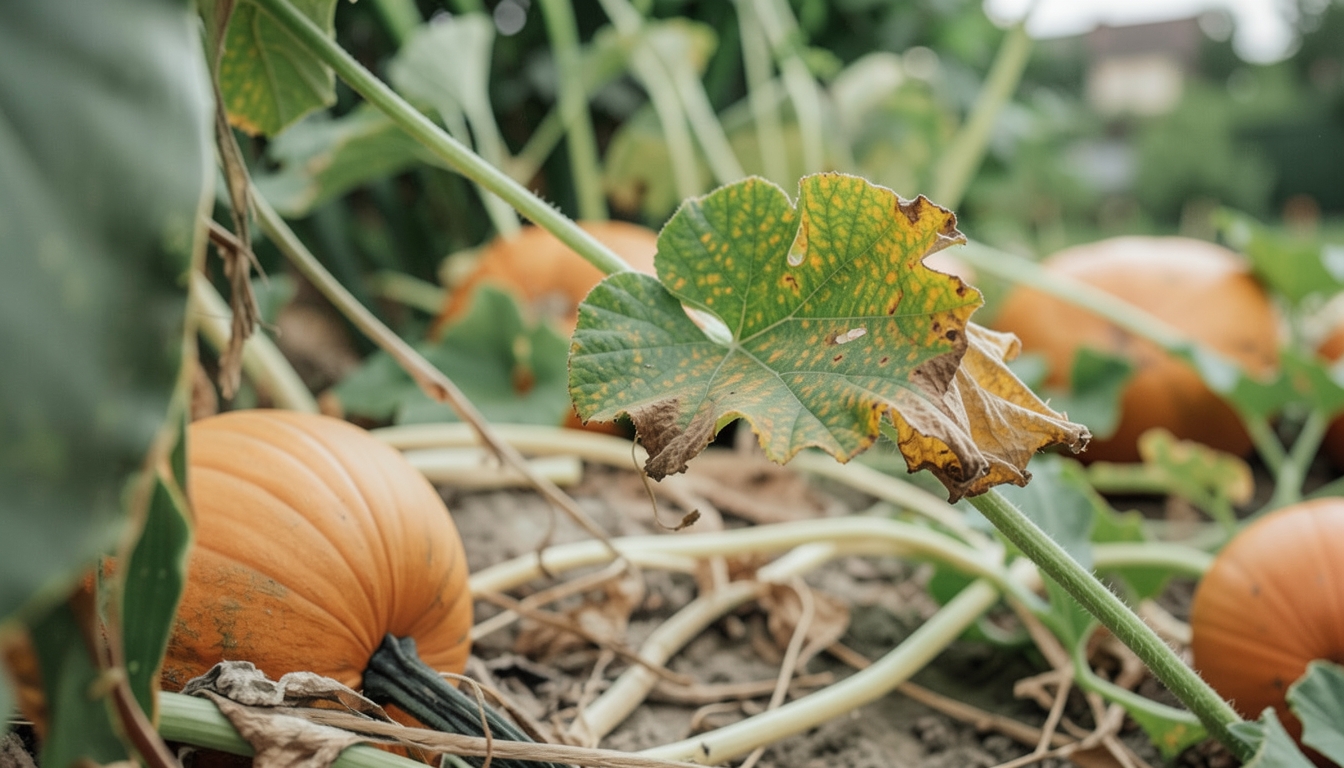
Powdery mildew. The first sign is pale, powdery spots on older leaves; they spread until leaves yellow and die, weakening the vine and reducing fruit quality. It's a fungal infection that thrives in still, humid air and warm days followed by cooler nights. Prevention is about airflow and moisture: space vines generously, water at the soil line rather than overhead, remove badly affected leaves promptly, and choose mildew-tolerant varieties where available.
Squash vine borer. A vine suddenly wilts even though the soil is moist; near the base of the stem you may find small holes and sawdust-like droppings. The cause is the caterpillar of a clear-winged moth, which tunnels inside the stem and severs the vascular tissue that transports water. Prevention: cover young vines with row cover until flowering, protect the lower stem with a physical wrap, and rotate crops year to year so the pest doesn't build up in the soil.
Blossom end rot. A dark, sunken, leathery patch appears on the blossom end of a developing pumpkin. This is a physiological disorder, not a disease — it results from a calcium shortage inside the fruit, usually caused by uneven soil moisture rather than a true soil deficiency. Dry spells followed by heavy watering disrupt calcium uptake. Prevention: mulch around the vine to buffer moisture swings and water consistently at the base so roots can take up calcium steadily.
Get a Personalized Garden Plan for Your Exact Location
This guide covers the common how-to question: for warm-season crops like pumpkin, wait until after the last spring frost and the soil warms before planting. That’s solid, practical baseline advice.
But every garden differs—your soil, sunlight, and local climate shift the timing. General guidance is a starting point, not the final word. TheYardWise creates garden plans built from your exact location data, so your planting window reflects where your garden actually sits. If you want the timing dialed in for your specific address, TheYardWise can show you exactly that.
Data Sources & Methodology
Plant
Internal Knowledge Base: TheYardWise Plant Database · Crop Agronomy Database
- Frost Tolerance: Very Tender
- Optimal Temperature Range: 20–30
- Days to Maturity: 100
- Typical Zone Soil pH Range: 5.5–7.5 (target ~6.5)
Decision Rules
TheYardWise Agronomy Rules Engine:
Recommendation Confidence: Limited
Reviewed: August 2026