Zone 7 gardening for beginners
What USDA Zone 7 Means for Your Garden
Zone 7 is all about winter cold, not summer heat. When a plant tag says "hardy to Zone 7," it means the plant can survive the coldest nights of a typical winter — which in this zone run between roughly 0°F and 10°F. That's the practical question the USDA Zone answers: will this plant live through the winter outdoors, or does it need shelter? Zones don't tell you about summer heat, rainfall, humidity, or soil, so they're a starting point, not the whole story.
Frost dates do the heavy lifting for your planting calendar. In Zone 7, the average last spring frost falls around early April, and the first fall frost arrives around early October — about 183 frost-free days between them. That's roughly half the year, and it shapes everything. Treat the spring date as your signal for tender warm-season crops: tomatoes, peppers, beans, and basil go out after it. The fall date tells you when those same crops need to finish or be harvested. And since these are averages, not guarantees, keep row cover or cloches handy for a surprise late frost.
For plant choices, Zone 7 is a forgiving middle ground. The season is "intermediate" — long enough for full-season favorites like tomatoes and squash, plus a second round of quick cool-season crops such as lettuce and greens in late summer. The real limit is rarely the zone itself; it's each crop's own range. Truly tropical plants won't tolerate those 0°F winter nights, while some cold-hardy species will find your summers too warm. Pick plants rated for Zone 7 or colder, and time tender crops between the frost dates.
The Biggest Challenges of Gardening in Zone 7
Zone 7 is a gardener’s sweet spot, but it still has real challenges — and knowing them up front makes success far more likely. For a beginner, the most important thing to understand is that the climate itself isn’t the enemy. Zone 7 doesn’t push plants to extreme limits. Your practical season runs from the last spring frost around April 6 to the first fall frost around October 6, giving you roughly six months of growing time. That’s generous, but it’s finite: warm-season crops like tomatoes, peppers, and squash must set fruit and ripen before early October, while cool-season crops like lettuce and brassicas will bolt if they get too much summer heat. The real limiting factor here is crop-specific timing, not the zone itself.
Pest pressure is where the season gets interesting. Tomatoes and potatoes are prone to early blight, late blight (especially in a wet spring), and septoria, plus hornworms, stink bugs, and — in sandy soil — nematodes. Squash and cucumbers face downy and powdery mildew, while squash vine borers and cucumber beetles can damage vines and spread bacterial wilt. Brassicas draw cabbage worms and loopers, and lettuce deals with aphids and slugs as well as bolting pressure in the heat. Choosing resistant varieties helps a great deal: look for tomato codes like V, F, EB, and LB, and DMR (downy mildew resistance) on squash and cucumbers.
None of this should discourage you — it should guide you. The same long season that invites pests also allows succession planting, so you can sow another round of beans or lettuce later in summer. Start with a few well-chosen crops, rotate beds, use row covers early, and plant at the right time. Zone 7 gives you room to learn, and every season teaches a little more.
Best Vegetables for Zone 7 Beginners
Zone 7's long, warm growing season is good news for a new gardener: summer favorites like tomatoes, beans, and squash have weeks of reliable warmth to mature, and the forgiving crops below take the pressure off while you learn. Here are seven that are hard to get wrong here.
Tomatoes are the classic first-timer crop. Zone 7's long season gives even a mid-season tomato time to ripen fully before fall cools down, so there's no race. Plant them after the last frost, once nights stay mild. One key tip: set seedlings deep, burying part of the stem — roots form along it and the plant grows sturdier.
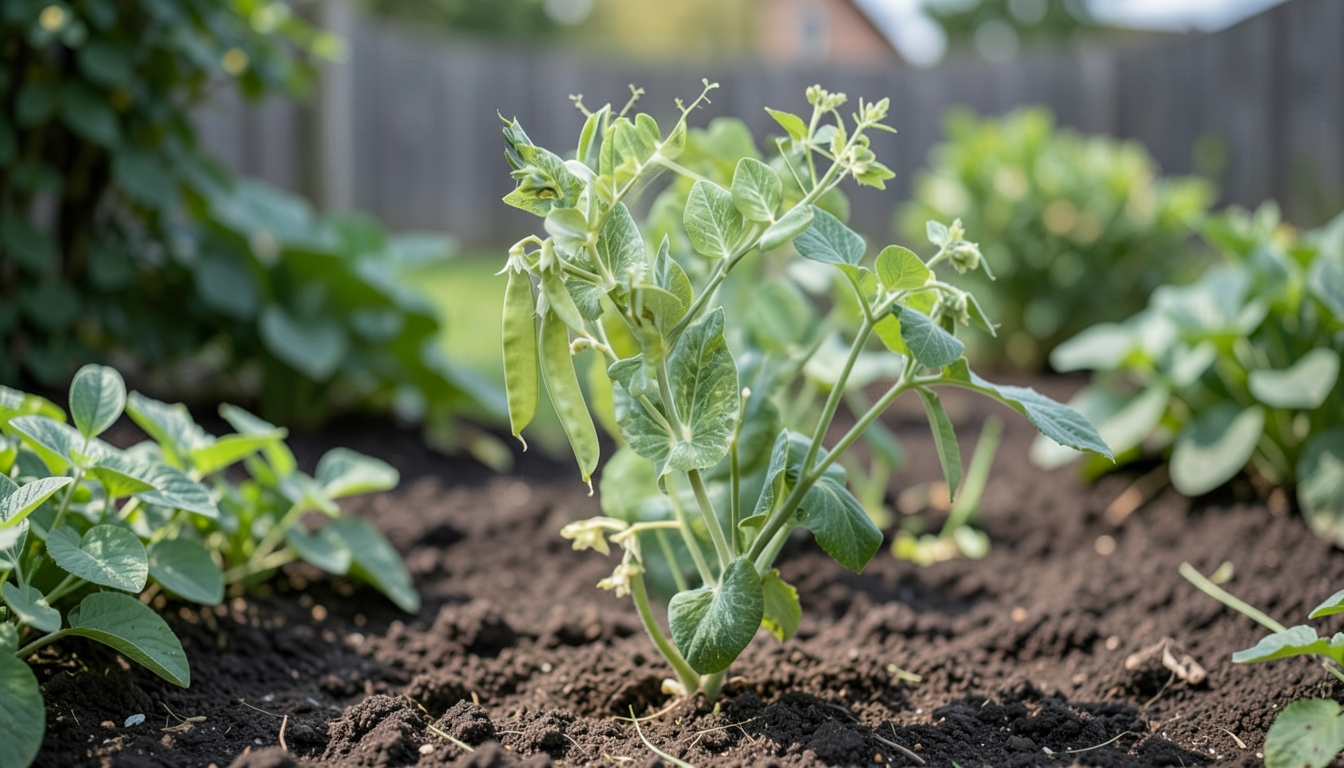
Green beans are nearly foolproof to sow straight from seed. They germinate quickly, need little attention, and start producing within a couple of months. Wait until the soil has warmed in late spring, then sow into the bed. One key tip: plant small batches every few weeks to stretch out the harvest.
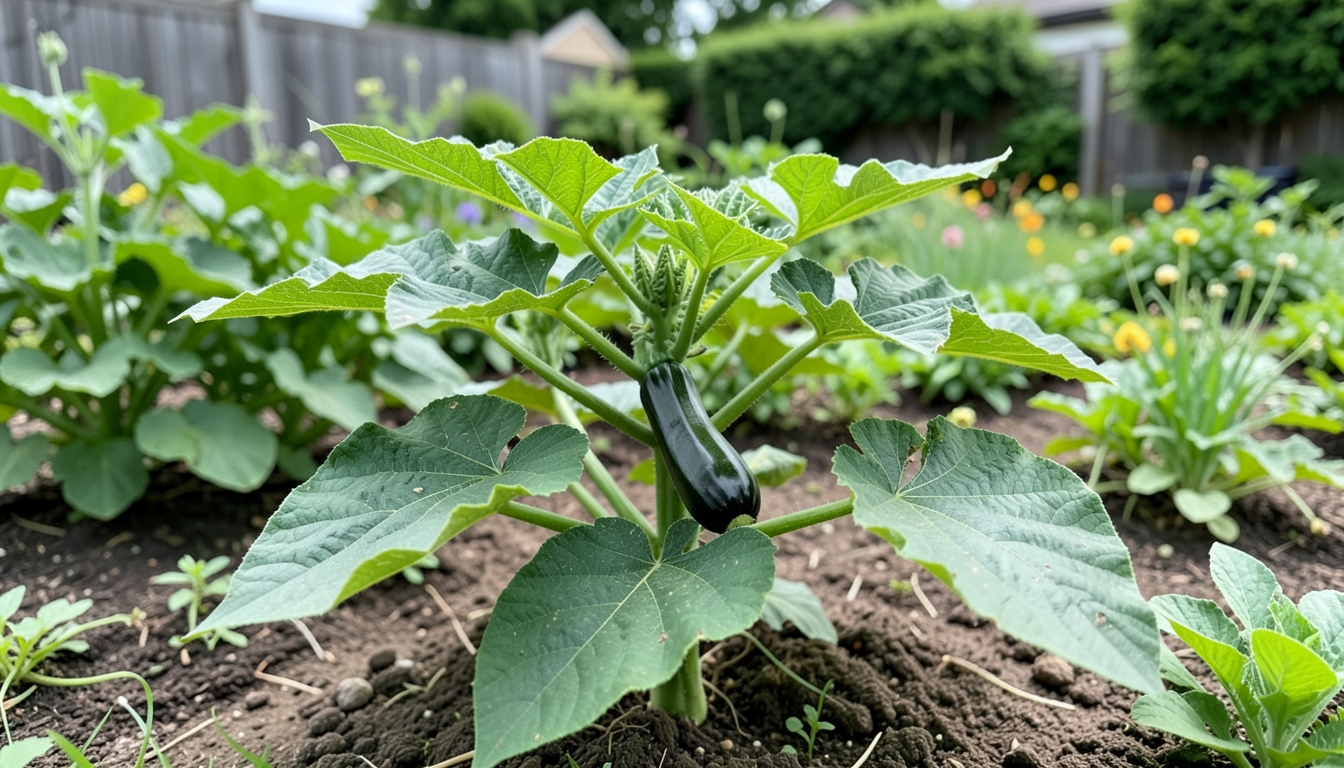
Zucchini thrives in Zone 7's summer heat, and a single plant can feel like a nonstop factory. Transplant or sow after frost risk has passed, then mostly just water and watch. One key tip: water at the base rather than over the leaves, and pick squash small to keep production rolling.
Cucumbers are fast, vigorous vines that don't ask for much beyond warmth. Plant them once the soil has warmed in early summer. One key tip: give them a trellis — vines climb happily, fruit stays clean, and air moves freely.
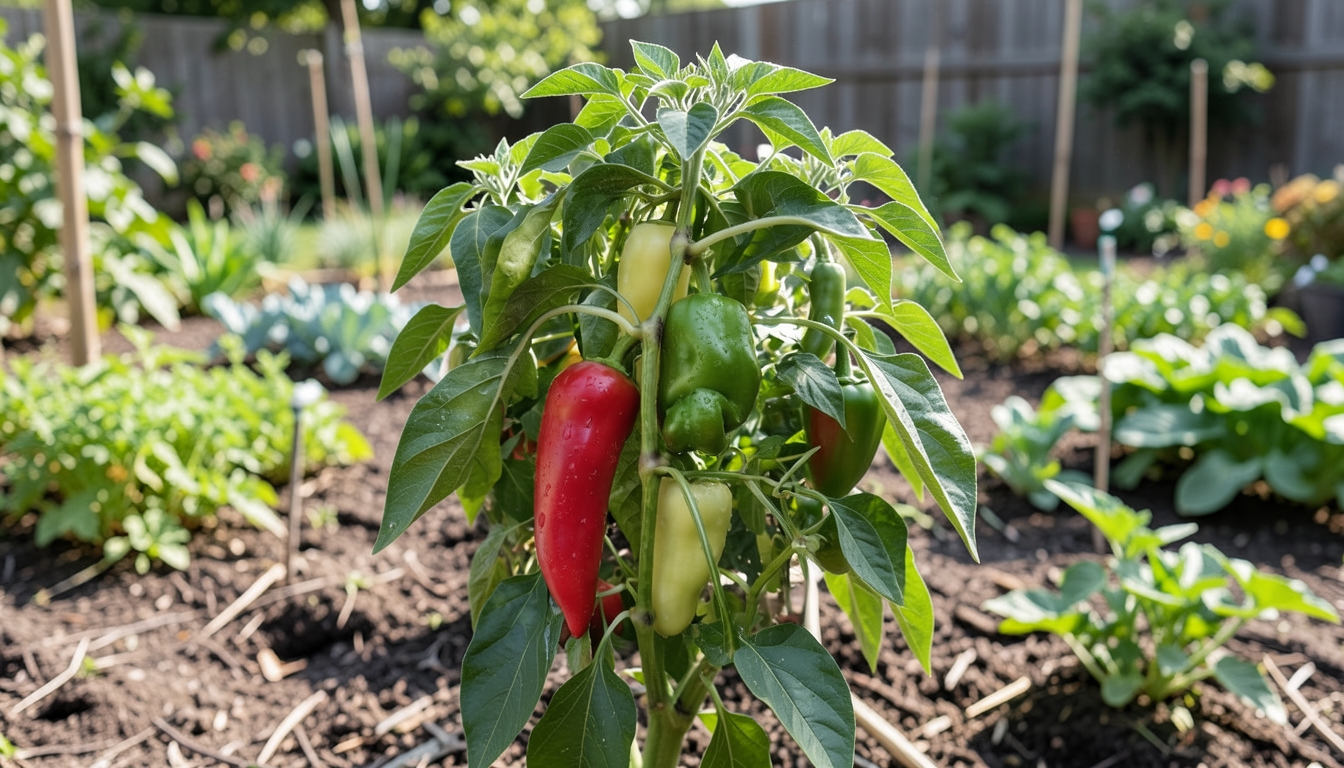
Peppers are slower than tomatoes, but Zone 7's long warm season lets them set and ripen fruit steadily. Set them out only after nights are dependably warm; cold sets them back. One key tip: patience pays — they seem to do little, then suddenly carry a heavy load.
Lettuce gives near-instant gratification, but it's a cool-weather crop. In Zone 7, grow it as an early spring and fall crop, since summer heat makes it bolt to seed. One key tip: harvest a few outer leaves at a time, and the plant keeps giving for weeks.
Radishes are the fastest win in the garden, ready in just a few weeks. Like lettuce, they prefer the mild weeks of spring and fall here, because peak heat turns them unpleasantly sharp. One key tip: thin seedlings early so each root has room to size up.
5 Common Mistakes Zone 7 Beginners Make
Starting a garden in Zone 7 is exciting, and the first thing most beginners look up is the last frost date. Here, that's April 6. But that date is only part of the story — what really decides success is each crop's own range. Here are five common missteps and how to work around them.
- Planting everything right after the last frost. April 6 means the danger of frost has passed, but it doesn't mean the soil is warm. Tomatoes, peppers, and cucumbers need a warmer range than that date suggests — they want warm soil, not just frost-free nights. Planted too early, they sit and struggle. Let cool-tolerant crops have the early window, and wait a few extra weeks for the heat-lovers.
- Trying to grow lettuce and peas through summer. These crops prefer the cool end of the range, and a Zone 7 summer is warm enough to make them bolt — that's when lettuce shoots up a flower stalk and turns bitter. Instead, enjoy them in spring before the heat, then sow a second round in late summer for a fall crop.
- Sowing everything all at once. One big planting seems efficient, but crops like beans, radishes, and greens each have a productive window, and then they're done. Avoid the feast-or-famine pattern by succession planting: sow a small batch every two to three weeks.
- Worrying when tomatoes stop fruiting in July. Intense summer heat can pause fruit set on tomatoes and peppers — that's outside their comfortable range, not a sign you've failed. Keep the soil evenly watered and mulched, and the plants often resume once temperatures ease.
- Following a generic calendar too strictly. Zone 7 covers a wide area, and your yard has its own pockets of warmth and shade. Treat April 6 as a reference, not a rule. Pay attention to your soil and your plants — they'll tell you the real timing.
Get a Zone-Specific Garden Plan for Your Exact Location
Zone 7 spans a lot of ground, and even one yard holds microclimates—a sunny south-facing bed warms earlier than a wind-exposed corner. The timing here answers the general zone-level question fully, but your exact planting windows still depend on your precise location. TheYardWise builds garden plans from your specific location data—not just a zone average—so crop-specific ranges and confidence levels reflect your yard, not a wide region. If you want planting details tuned to where you actually garden, a personalized plan is a natural next step.
Data Sources & Methodology
Climate
External Source: USDA zone reference table · USDA Plant Hardiness Zone Map
- USDA Plant Hardiness Zone: 7
- Average Last Spring Frost: April 6
- Average First Autumn Frost: October 6
Plant
Internal Knowledge Base: TheYardWise Plant Database · Crop Agronomy Database
Decision Rules
TheYardWise Agronomy Rules Engine:
- Frost Risk Evaluation
Decision Trace
Recommendation: After the average last frost (April 6) once soil warms and frost risk passes.
Data: Average last frost April 6
Rule: Crop-Specific Range Evaluation
Source: USDA zone reference table
Recommendation Confidence: Limited
Reviewed: August 2026