When to plant zucchini in seattle
Understanding Seattle's Climate for Growing Zucchini
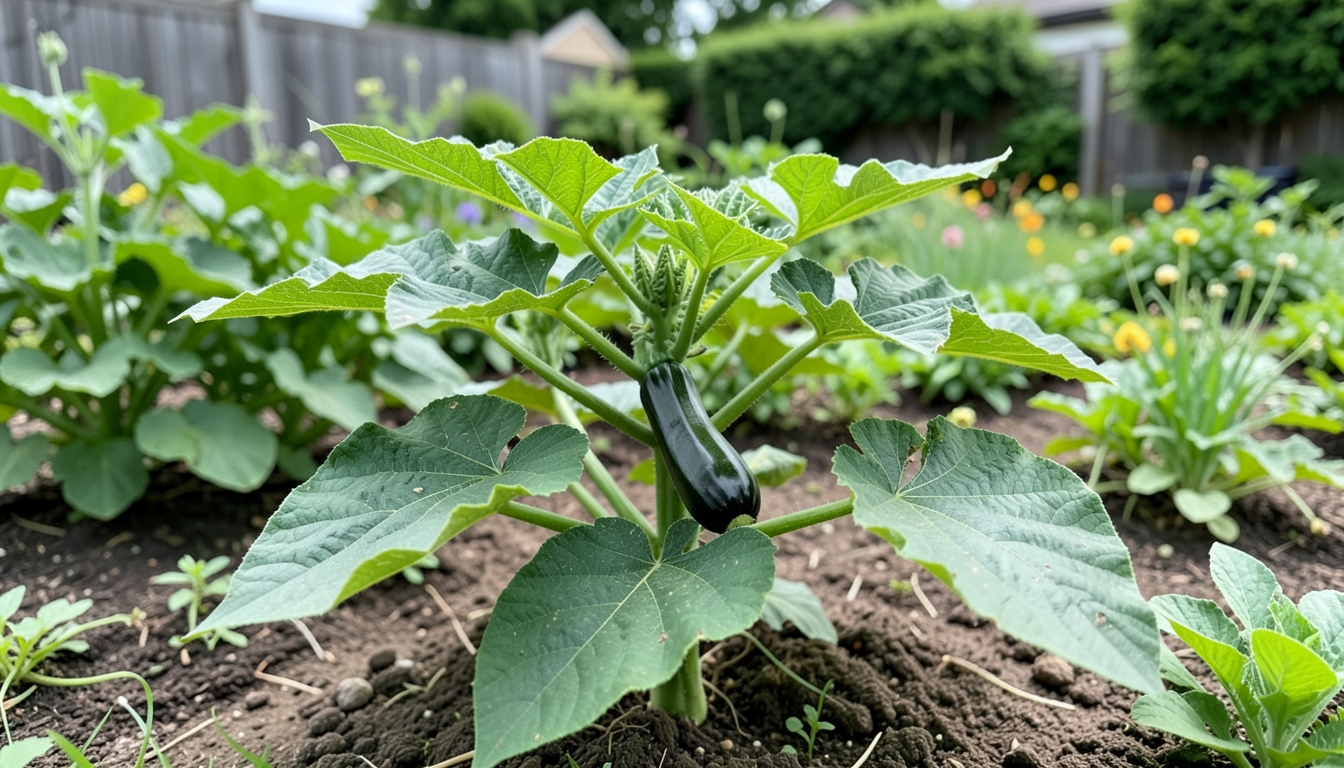
Zucchini can do very well in Seattle, but the climate's defining feature is that the plant is limited by warmth, not by frost. USDA Zone 8b describes mild winter lows of roughly 15–20°F — useful for choosing perennials, but almost beside the point for zucchini, which is grown as a summer annual. What actually shapes the season is the frost-free window and how much heat accumulates within it.
The frost-free window runs from April 1 to October 1, a generous 183 days. Yet frost-free does not mean zucchini-warm. That window only guarantees temperatures above freezing; zucchini, a warm-season crop, prefers conditions well above that minimum. The truly productive season is the warmer middle of the window, not its cool margins.
Heat accumulation is where the pace gets set. Seattle's 3200 growing degree days (GDD) — the total heat units available over the season — drive how fast the plant grows. Zucchini grows as quickly as the heat allows: warm stretches push out new leaves and fruit rapidly, while cool spells stall development almost entirely. 3200 GDD is enough for a full crop, provided the plant is active during the season's heat-rich core, when warmth accumulates steadily.
The opportunity is a long frost-free season with ample time for a heavy harvest. The challenge is that April and October are frost-free but too cool for active zucchini growth, so the effective growing window is narrower than the calendar first suggests.
Optimal Planting Window for Zucchini in Seattle
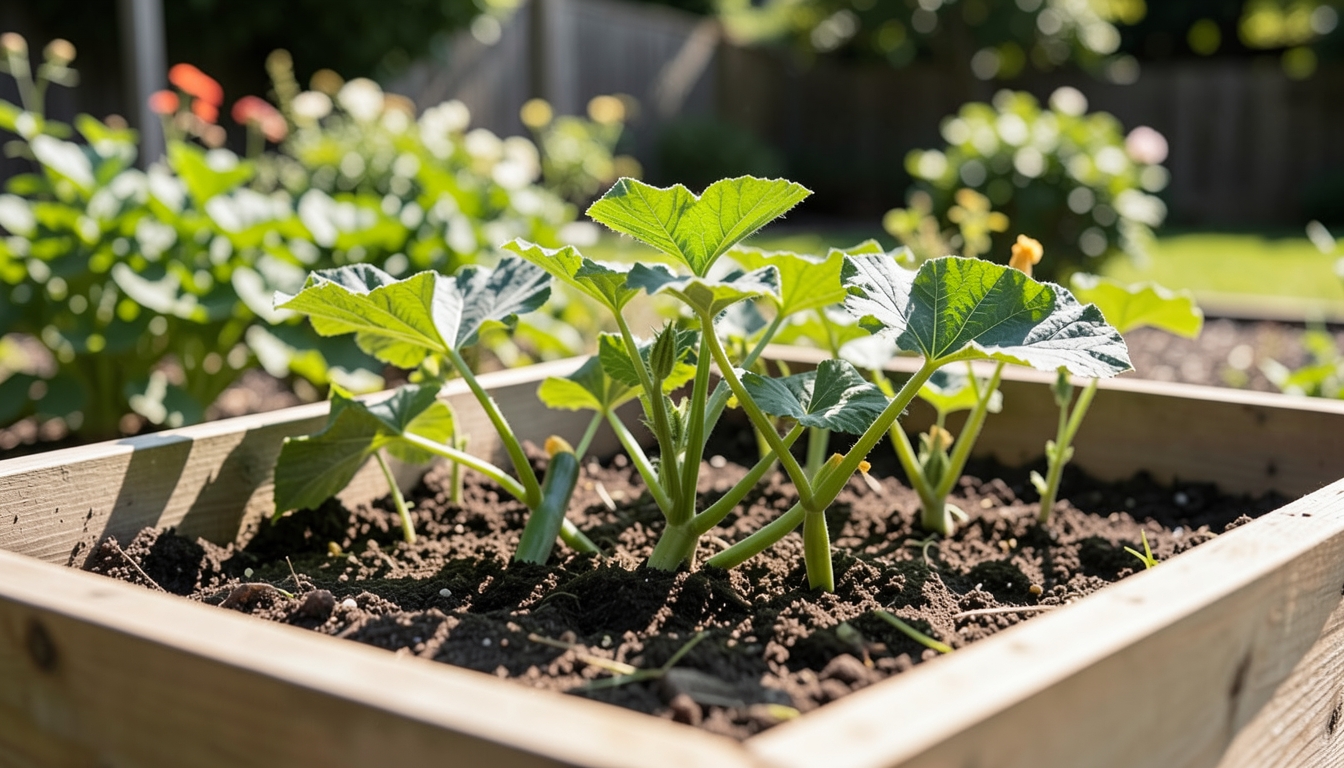
For zucchini in Seattle, the timing rule is simple: wait until the danger of frost is gone and the soil has genuinely warmed. Zucchini is a warm-season crop, and here that means a frost-gated planting strategy — the average last frost around April 1 in zone 8b marks the earliest the season can possibly begin, but the real window opens only once the soil warms after that date. In practice, that lands somewhere from mid-spring through early summer, with enough season left for the 50-day maturity cycle to finish well before fall. It is worth being honest that this is a condition-driven window rather than a fixed date: Seattle’s maritime spring can linger cool, so treat the calendar as the backstop and soil warmth as the trigger.
Why timing matters is straightforward: zucchini is frost-sensitive, and cold, wet soil stalls it. A plant set out too early sits in place instead of growing, while the same plant started a couple of weeks later in warm soil catches up quickly. The seasonal signals to watch are the combination of warming soil and lengthening days — long daylight and mild nights drive fast vine growth and steady flowering.
A quick decision checklist:
- Frost risk: plant only after the average last frost (around April 1) has passed and no frost is in the forecast.
- Soil warmth: wait until the soil is consistently warm — in the 60s — not merely thawed and damp. Cold soil is the key no-go signal.
- Night temperatures: hold off if nights are still dipping into the cold range; zucchini needs mild nights to keep growing steadily.
- Persistent cool spells: if a wet, cold stretch lingers after the frost date, delay rather than rush — zucchini makes up lost time quickly once conditions warm.
Common Problems When Growing Zucchini in Seattle
Seeds that rot before they sprout. You dig, you plant, you wait — and nothing comes up. That's often the sound of zucchini seeds sitting in soil that is still too cold and wet. Zucchini is a warm-season crop with a frost-gated planting strategy, meaning frost is the limiting factor, not just the calendar. Seattle's average last frost lands around April 1 (zone 8b), but the soil warms more slowly than the air. In cool, soggy ground, germination stalls and seeds decay before they can push out roots. Prevention is a waiting game: hold off until the soil has had a sustained stretch of warm days, or speed it along with a raised bed or black plastic. Starting plants indoors and transplanting removes most of this risk entirely.
A late frost that catches young plants. One night near or below freezing and healthy green leaves turn blackened, water-soaked, and collapsed. Zucchini is tender with no frost tolerance, and "average last frost" is just that — an average. Some years the real date lands later than April 1. Prevention: don't rush plants out at the first warm spell. Keep floating row cover or a simple cloche on hand and deploy it if a cold night is forecast; a south-facing spot that holds heat also helps.
Tiny fruits shriveling at the blossom end. Zucchini produces separate male and female flowers, and each female flower needs repeated bee visits to develop into a full fruit. When pollination fails, the small fruit turns yellow and drops off. That's the plant simply aborting an unpollinated ovary. Bees become less active during cool, cloudy, or wet stretches. Prevention: grow nectar-rich flowers nearby to keep pollinators around, and during dull spells, hand-pollinate with a small paintbrush — one male flower can fertilize several females.
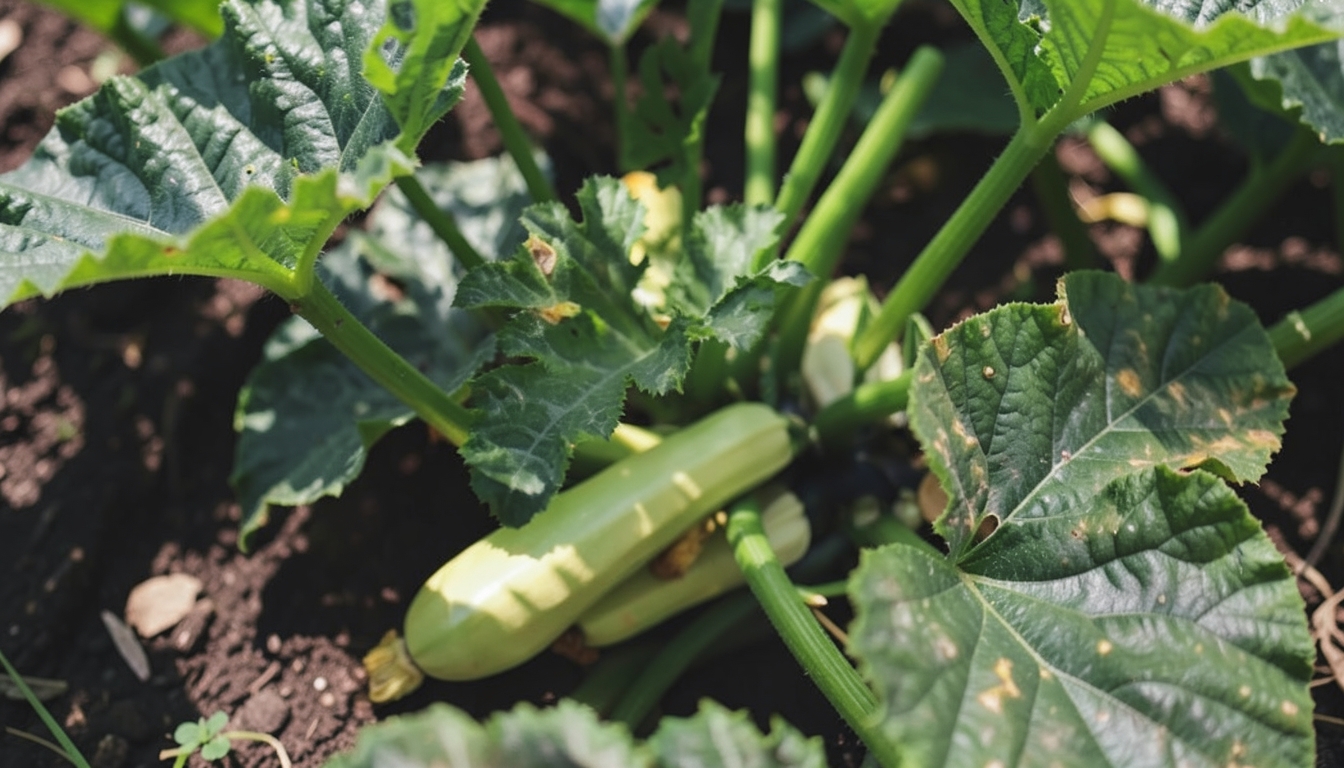
A white powdery coating, then collapse. Dusty white spots appear on older leaves, spread, and eventually yellow and kill the leaf. This is powdery mildew, a fungus that thrives in still air and in the swing between cool nights and warm days — conditions that dense plantings create all on their own. Prevention: give plants generous spacing for airflow, water at the soil line rather than overhead, and remove badly infected leaves as soon as you spot them.
Pro Tips for Zucchini Success in Seattle
Give each zucchini plant a full 3 square feet of its own. These warm-season squash aren't climbers — they sprawl low and wide — and the enormous leaves genuinely need room for air to move through them. When plants are squeezed together, the foliage stays damp and still, which is precisely the kind of invitation powdery mildew accepts in a cool, overcast summer. One plant per 3-square-foot pocket keeps every leaf in sunlight and lets the breeze dry the canopy.
Build the soil before the zucchini ever goes in. It is a fast, hungry grower, so dig in several inches of well-rotted compost and make sure the bed drains freely. Then water deeply at the base of the plant instead of overhead, keeping the root zone consistently moist once flowers appear. Stress at flowering and fruit set is what turns young fruit yellow and shriveled, and erratic moisture is a common cause of blossom-end rot. A thick mulch holds moisture in the soil between waterings and keeps the squash clean where they rest on the ground.
Choose companions that share the workload. Nasturtiums are a classic pairing because they draw aphids away from the squash, acting as a trap crop. Marigolds earn their place differently: their bright flowers attract the pollinators zucchini depends on, since each large blossom needs visiting to set fruit. If cool, rainy weather keeps bees indoors, hand-pollinating with a small brush is a reliable backup that costs nothing.
Finally, give zucchini the sunniest bed you have. It is a full-sun plant through and through — less than that slows growth and leaves the vine less able to outrun problems.
Get Your Personalized Garden Plan
The guidance above covers the essentials: Seattle’s last frost date, the need for warm soil, and a realistic window for summer planting. But every garden has its own microclimate — even within the same USDA zone, a sunny south-facing bed can be ready weeks earlier than a wind-exposed corner, and a heat-retaining wall changes the picture too. TheYardWise builds a personalized planting plan from your exact location’s climate data, not just a city-wide zone, so the timing fits the beds you actually grow in. Get your tailored garden calendar and plant with confidence.
Data Sources & Methodology
Climate
External Source: USDA zone reference table · USDA Plant Hardiness Zone Map
- USDA Plant Hardiness Zone: 8b
- Average Last Spring Frost: April 1
- Average First Autumn Frost: October 1
- Growing Degree Days: 3200
- Approx. Growing Season Length: ~183 days
Plant
Internal Knowledge Base: TheYardWise Plant Database · Crop Agronomy Database
- Frost Tolerance: Tender
- Days to Maturity: 50
- Typical Zone Soil pH Range: 5–8.2 (target ~6.6)
Decision Rules
TheYardWise Agronomy Rules Engine:
- Frost Risk Evaluation
- GDD / Heat-Accumulation Rule
- Heat Stress Evaluation
- Growing Season Rule
Decision Trace
Recommendation: After the average last frost (April 1) once soil warms
Data: Average last frost April 1
Rule: Frost Risk Evaluation
Source: USDA zone reference table
Recommendation Confidence: Medium
Reviewed: August 2026