When to plant zucchini in florida
What Zucchini Needs to Thrive
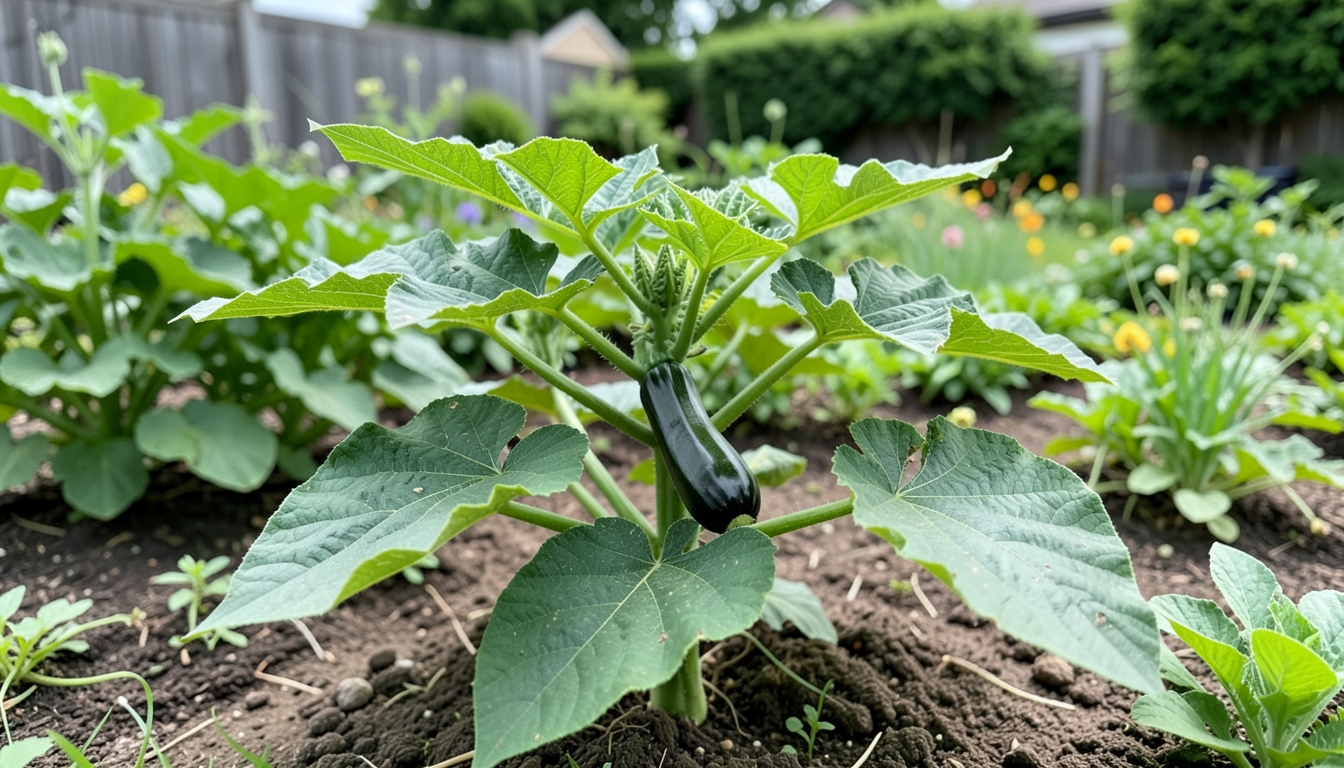
In a typical garden bed, zucchini is not a demanding plant as long as you honor three basics: rich, well-drained soil; full sun; and steady, even moisture. Getting those right matters far more than fussing over the plant once it's in the ground.
Start with the soil. Zucchini grows best in loamy ground with a pH between 5.5 and 7.5, and it is happiest close to the neutral mark around 6.5. A soil test is the most reliable way to know whether you need to adjust your particular bed before planting rather than guessing from the bag. Because zucchini has a medium-depth root system, work any compost or amendments into the top stretch of soil—don't just lay them on the surface where the roots won't reach.
Sun is straightforward: give zucchini full sun. That means direct, unobstructed light for most of the day. When the plant is shaded for part of the day, growth slows, and fruit set stays thinner than you tend to expect from such a vigorous vine.
Watering sits in the medium range—zucchini doesn't want to dry out, and it doesn't want to sit in soup. Soak the soil deeply at the base of the plant, then let the top of the soil begin to dry before watering again. A regular, generous soak two to three times a week is a reasonable starting rhythm, but let your soil texture be the referee: sandy soil drains fast and may need more frequent drinks, while clay holds moisture longer and needs less. On a hot, bright day in your vegetable garden, some later-afternoon leaf drooping is normal; the plant should perk back up in cool of the evening. Water at the base rather than overhead, and the leaves stay drier and healthier.
Understanding How Zucchini Grows
Zucchini is a warm-season crop through and through: it needs a steady stretch of genuinely warm weather, and it has no tolerance for frost. Everything about growing it follows from that.
Zucchini grows best when temperatures sit in a range of about 20–30°C (68–86°F). Air temperature matters, and so does soil that has had a chance to warm. Within that comfort zone, plants grow quickly, flower, and set fruit. Because zucchini is a tender plant — its main limiting factor is cold and frost — a freeze will kill it outright, and lingering cool soil keeps it stalled rather than growing. The practical consequence is that zucchini is set out only once the last spring frost has passed and the ground has warmed; the plant itself offers no early-season cold tolerance to lean on.
It is also a fast crop. Days to maturity run to about 50, so under warm conditions the first zucchini can be harvested roughly seven weeks after planting. That speed is not a license to bend the temperature rules; it simply means the plant packs its entire cycle into a compact warm stretch rather than inching along through a long, cool one.
Taken together, these three traits — a 20–30°C comfort range, roughly 50 days to maturity, and absolute tenderness to frost — describe a plant built to make the most of one uninterrupted run of summer weather. Grow it in that warm window, count on about seven weeks from planting to your first fruits, and do not expect any part of the plant, seedling or established, to survive a freeze. Warmth is the whole game.
How to Plant Zucchini: Basics for Any Garden
Wait until the last spring frost has passed and the soil has truly warmed before planting zucchini. This is a warm-season crop, and cold is its biggest enemy: frost or a stretch of cold, wet soil will stall seeds and shock young transplants. Even in Florida, where frost varies considerably from one region and year to the next, the same gate applies — go by local weather signals, not the calendar.
Watch a few signals. When frost is no longer in the forecast, nights stay mild, and soil dug a few inches down no longer feels cold and damp, the planting window has opened. A week or two of warm, sunny days helps the ground hold that heat, which zucchini needs for steady germination and strong early growth.
Prepare the soil first. Because zucchini has a medium root depth, its roots go deeper than shallow crops but don't require heavy digging. Loosen the soil well where you plan to plant and confirm that water drains freely — zucchini dislikes soggy ground. No single amendment recipe works for every garden, so base what you add on your soil's character: sandy ground tends to drain too fast, while heavy ground holds too much water. Adjust from there, aiming for soil that stays evenly moist without staying wet.
Give each plant about 3 square feet of space. Zucchini leaves expand quickly, and crowded plants trap moisture and invite disease. Allow that full footprint per plant in all directions so air can move through the mature leaves. With warm soil, a well-drained bed, and room to spread, zucchini will do the rest quickly.
Common Zucchini Problems and How to Avoid Them
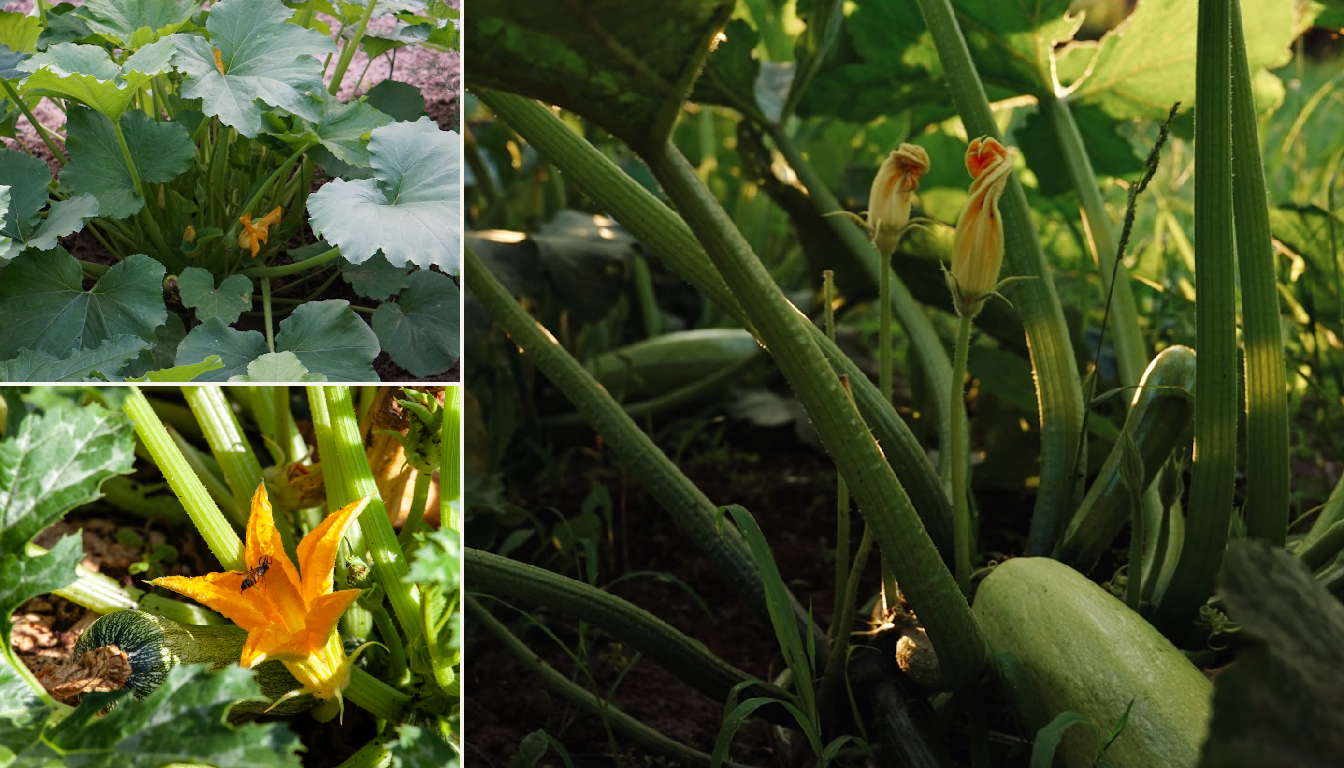
Zucchini is famously generous — until it isn't. When vines stumble, four troublemakers cause most of the heartache.
Powdery mildew. What it looks like: dry, chalky white spots appear on the upper surface of leaves, starting with the oldest ones, then spread until leaves yellow and crisp. Scientific cause: fungal spores that germinate on the leaf surface when days are warm, nights are humid, and air around the plant stays still. It is an air-and-leaf disease, not a soggy-soil disease. Prevention: water the soil, not the leaves; give plants generous spacing so air moves freely; plant in full sun so leaves dry quickly after morning dew; and remove badly infected leaves rather than composting them.
Blossom end rot. What it looks like: a dark, sunken, leathery patch at the flower end of an otherwise healthy fruit. Scientific cause: a calcium shortage inside the developing fruit — usually not because the soil lacks calcium, but because uneven soil moisture prevents roots from taking it up exactly when the fruit is sizing. Prevention: mulch well and water deeply and consistently, especially when plants are loaded with fruit.
Squash vine borer. What it looks like: a vigorous plant suddenly wilts, and near the stem base you find tiny holes with moist, sawdust-like frass around them. Scientific cause: larvae of a clearwing moth tunnel inside the stem, destroying the tissue that carries water. Prevention: check stems weekly for entry holes, mound soil over lower stem nodes so the plant can re-root above damage, and rotate where you plant zucchini from year to year.
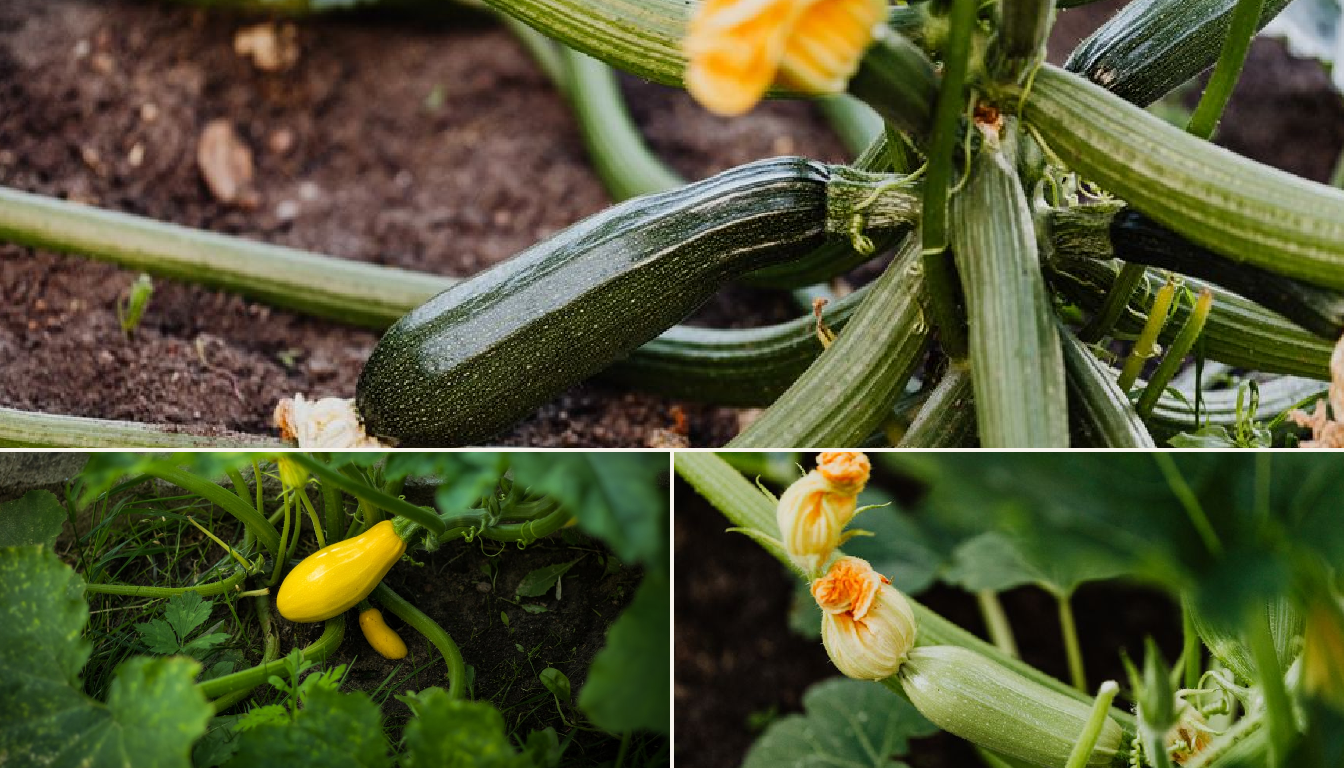
Stalled baby fruits. What it looks like: a small fruit swells, yellows, and rots at the flower end. Scientific cause: incomplete pollination. Each female flower requires many bee visits; too few pollen grains and the fruit starts, then aborts. Prevention: plant nectar-rich flowers nearby to draw pollinators, or hand-pollinate on dry mornings with a small brush — zucchini flowers are only open for a few hours, so timing matters.
Get a Personalized Garden Plan for Your Exact Location
This guide covers the essentials of timing zucchini in Florida: wait until the last frost has passed and the soil has warmed. But general guidance is only a starting point. Your own garden differs — soil, sunlight, and local microclimate all shift the ideal window and how you manage the season. That’s where TheYardWise fits in: it uses your exact location to build a personalized planting plan around the crops you actually want to grow, like zucchini, so your timing fits your beds — not just a rule of thumb.
Data Sources & Methodology
Plant
Internal Knowledge Base: TheYardWise Plant Database · Crop Agronomy Database
- Frost Tolerance: Tender
- Optimal Temperature Range: 20–30
- Days to Maturity: 50
- Typical Zone Soil pH Range: 5.5–7.5 (target ~6.5)
Decision Rules
TheYardWise Agronomy Rules Engine:
Recommendation Confidence: Limited
Reviewed: September 2026