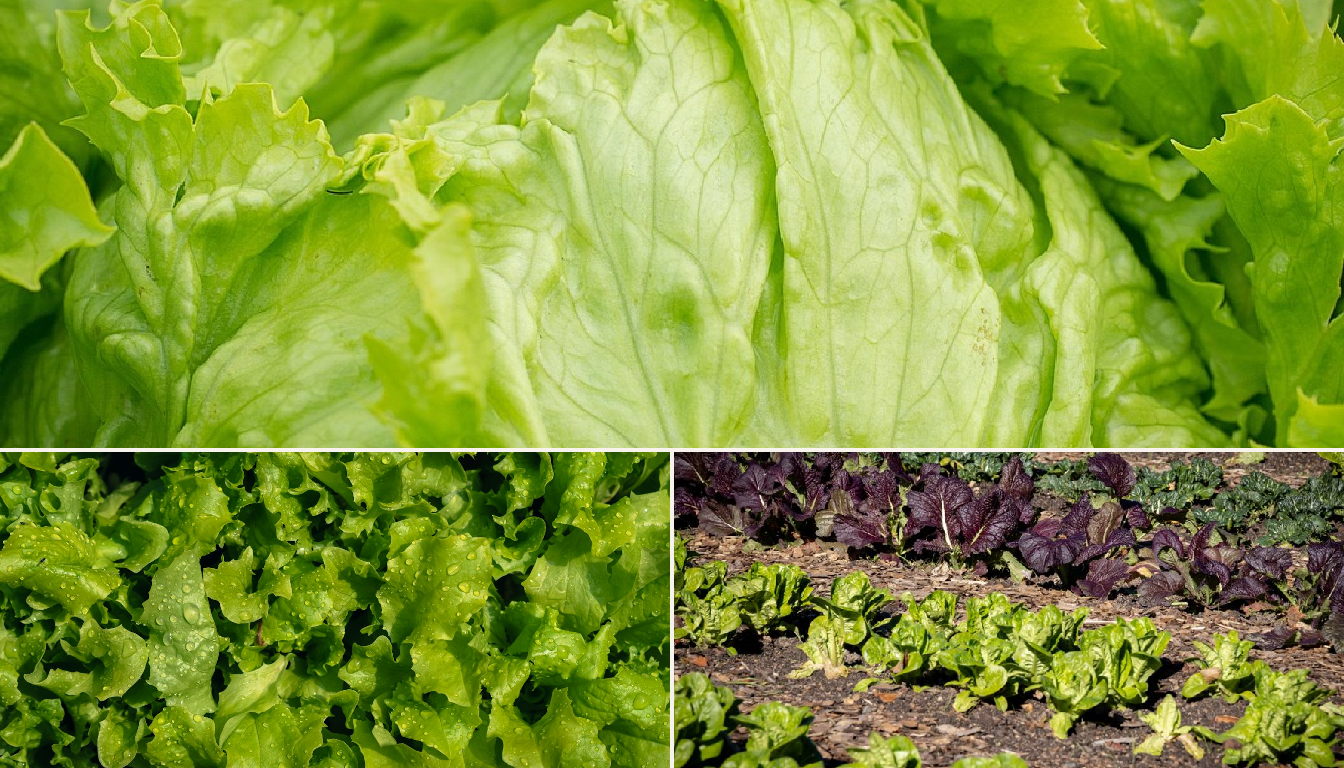
TheYardWise Assessment
- Suitability: ★★★★★ — Excellent — all core conditions met
- + Growing season and GDD are long enough for this crop.
- + Approx. 251-day growing season supports this crop.
- + No major climate blockers detected for this zone.
- Confidence: Medium
This guide uses city-level climate data. Your actual sunlight exposure, soil condition, and garden layout are not included. A personalized Garden Report adjusts these factors.
- Best Timing: Early in the season, before sustained heat sets in
- Main Advantage: The growing degree days in this zone are sufficient for Lettuce to reach maturity.
- Seasonal note: Summer heat is the main seasonal constraint — plan the main harvest for the cool shoulders of the season.
- Key Advice: Cool-season crop — prioritize early planting and succession sowing.
How this recommendation was determined
Recommendations are generated from TheYardWise’s climate, plant and planting-window data, reviewed against our published methodology.
- Recommended window: Early in the season, before sustained heat sets in
- Decision rules applied: Frost risk, Growing-degree maturity, Heat stress, Growing season
Understanding Seattle's Climate for Growing Lettuce
A common Seattle experience: lettuce sown in the warm middle of summer bolts, turns bitter, and gives you almost nothing to cut. That failure points to the real rule here — the frost-free window is not the lettuce window. Seattle stays frost-free for roughly 251 days, from about March 20 to November 26, but lettuce wants only the cool margins of that stretch: the early-season weeks before sustained heat sets in, and the late-season period as temperatures drop back below the heat-stress threshold. Heat is the crop's primary limitation, not cold.
Zone 8b describes winter minimum temperatures, not summer growing conditions. It explains why lettuce can be worked into so much of Seattle's year — mild winters rarely deliver the killing freezes that would end the crop outright — but it tells you nothing about whether a particular week is comfortable for the plant. The temperature pattern does.
The 1128 growing degree days here are moderate, and in a maritime climate they accumulate gradually rather than in punishing spikes. For lettuce, that's the opportunity: growth is steady and quick through the cool stretches, and the season is long enough to accommodate two comfortable windows with a hot gap between them. The catch is that Seattle's summer warmth, however gentle by inland standards, is still enough to push lettuce past its preferred range.
Practically, that means planning lettuce around the shoulders of the season rather than the middle. Light frost is generally tolerated, so the edges of the window are usable; heat is what ends quality. Downy mildew, bottom rot, sclerotinia, aphids and slugs are the pressures to watch in the cool, damp stretches. Soil pH is rarely the limiting factor — lettuce handles a wide range — so test before amending.
Optimal Planting Window for Lettuce in Seattle
In Seattle, what opens and closes the lettuce window isn't frost — it's heat. Sustained warmth is the limiting factor here, so the aim is to have plants sizing up and being cut in the cool shoulders of the year rather than the middle of summer. A 45-day run from sowing to harvest makes that easier than it sounds: the crop moves fast enough to fit in before the heat arrives or after it breaks.
The spring window is best described as early in the season, before sustained heat sets in — working the ground as soon as it's fit and getting seed or transplants in while nights are still cool. Zone 8b springs are mild, so the risk isn't a late cold snap so much as an early warm spell that pushes plants to bolt before you've had a proper harvest.
The fall window is late-season, as temperatures cool below the heat-stress threshold. Fall suits lettuce particularly well because the cooldown is gradual and days are shortening, which eases bolting pressure rather than adding to it. Count back roughly 45 days from when you want to cut, and start while there's still enough warmth and light for plants to size up before growth slows.
| Signal | Spring | Fall |
|---|---|---|
| Soil | Workable and cool — don't wait for it to warm | Cooled down after summer heat |
| Nights | Cool, still chilly | Cooling steadily |
| Day length | Lengthening — bolting pressure rising | Shortening — bolting pressure falling |
These windows are qualitative on purpose; use the signals above rather than fixed dates, since a given year can run early or late. Your own garden shifts them too — a south-facing bed warms sooner and will push lettuce toward bolting faster, while a shaded or wind-exposed spot stays cooler longer and stretches the usable window. TheYardWise report narrows this to your specific ground.

Common Problems When Growing Lettuce in Seattle
Most lettuce failures here come back to warmth. The same mild zone 8b conditions that let lettuce grow through cool stretches are what push it out of prime quality once sustained warmth arrives. Frost it can shrug off as a semi-hardy plant; heat it cannot.
Bolting is the most common disappointment. The plant stops making leaves, a central stalk shoots up, and the leaves turn bitter. The cause is physiological rather than a disease — lettuce is programmed to shift from vegetative growth to flowering and seed production when temperatures rise, effectively racing to reproduce before conditions become lethal. Because it's cool-season by nature, that trigger is set low. Prevention is mostly about timing and stress reduction: sow so plants mature during cool stretches, lean on bolt-resistant varieties, keep soil moisture even, and use afternoon shade or shade cloth where a bed bakes. Harvesting outer leaves young also keeps the plant in leaf production longer.
Tipburn looks like a lettuce disease but isn't one. The inner leaf margins turn brown and papery. The cause is a calcium delivery problem: calcium travels in the transpiration stream, and the tightly enclosed inner leaves transpire so little that calcium can't reach them, especially when plants grow fast under warmth. Steady watering, avoiding excess nitrogen, and not crowding plants so air moves freely all reduce it.
Poor germination in warm soil is a third trap. Lettuce seed can enter a heat-induced dormancy, so seed sown into soil that has already warmed may simply sit there. Starting seed in a cool spot, or sowing earlier in a cool window, sidesteps it.
Finally, in mild, damp conditions, slugs and seedling-damping-off fungi find lettuce's thin leaves and shallow roots easy targets. Good spacing, morning watering, and clearing old debris from the bed surface are the general defenses.
The pattern across all four is the same: work with cool conditions rather than against them, and keep growth steady. How much of a problem any of these becomes depends on your specific bed — its shade, drainage, and airflow — and that's where a personalized assessment picks up.
→ See how your personalized garden plan comes together — watch a quick walkthrough.
Pro Tips for Lettuce Success in Seattle
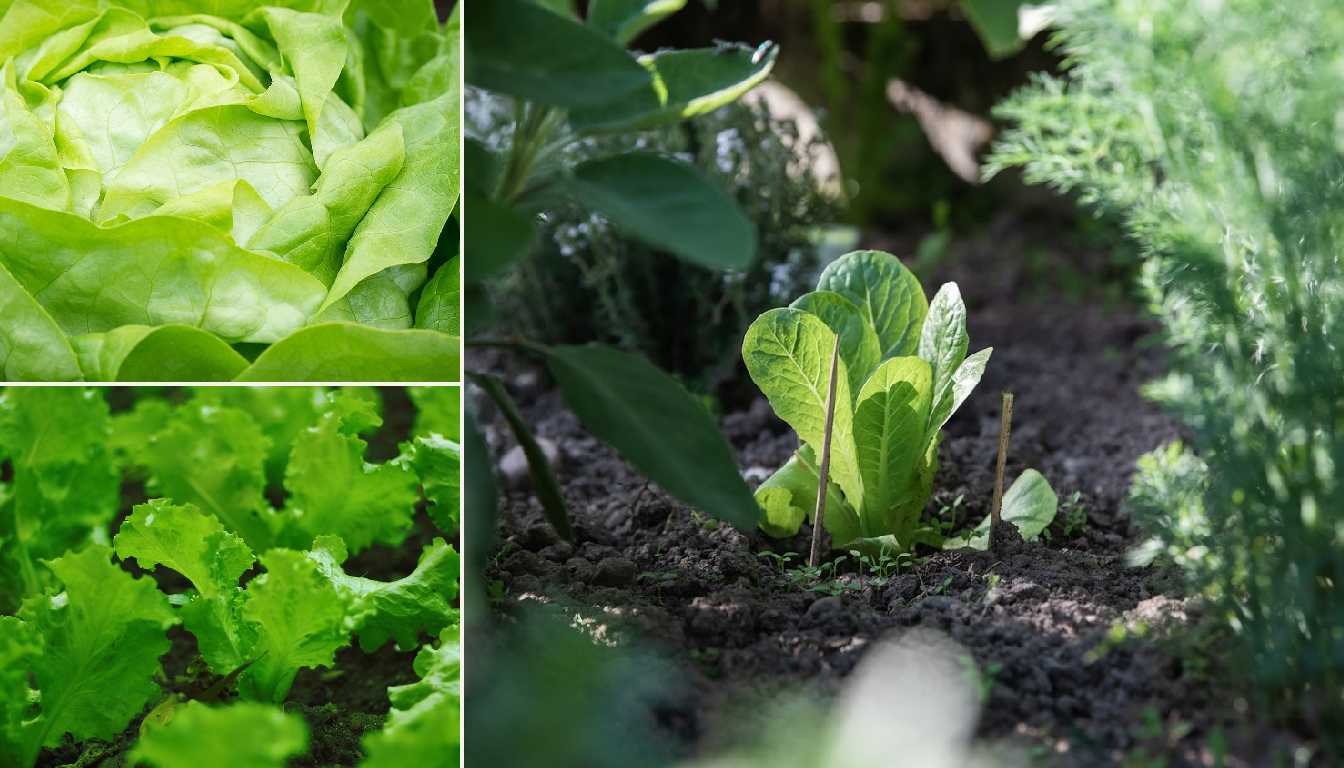
Getting those pressures down to a nuisance starts with how you set up the bed. Lettuce's roots sit shallow and its season turns on staying cool, so most management decisions come down to moisture and airflow. Site it where it gets full sun early and partial shade as the season warms — morning light with some afternoon protection keeps leaves tender and slows the heat that pushes plants to bolt. Clean up a site and mix in several inches of compost so the soil stays loose, fertile, and well drained; a raised bed helps in Seattle's wet stretches, and the organic matter holds moisture without leaving roots soggy.
Water consistently rather than deeply and rarely. Shallow roots dry out fast, and a plant that swings between drought and drenching turns bitter and bolts early. Keep the top inch or two evenly moist, water in the morning so foliage dries before evening, and put down a light mulch to hold that moisture and keep the root zone cool. Skip overhead watering late in the day, which invites mildew in our damp air.
Space plants at about half a square foot per plant. That's tight enough to shade the soil and slow weeds, but open enough that air moves between leaves — the practical defense against rot in a humid climate. Lettuce isn't a vertical crop, so use that horizontal room instead: sow a short row every couple of weeks rather than one big block.
For companions, radishes and carrots pair well. Radishes germinate fast and mark your rows while slower lettuce fills in, and carrots feed at a different depth so the two aren't competing for the same moisture. Chives or another allium are a fine neighbor too — their upright habit shelters lettuce without shading it, and they're often grown alongside to help confuse aphids.
Get Your Personalized Garden Plan
The general guidance above covers the common question fully — in Seattle's cool, marine climate, lettuce grows best in the cool-season windows, timed to avoid the heat that limits it.
What stays personal is your garden's own microclimate. A sunny south-facing bed, a wind-exposed slope, or a heat-retaining wall can shift timing within the same USDA zone, often by a week or more in either direction.
That's where TheYardWise helps: it builds a personalized planting plan from your exact location data, so the timing fits your beds rather than a citywide average. See your planting plan for Seattle.