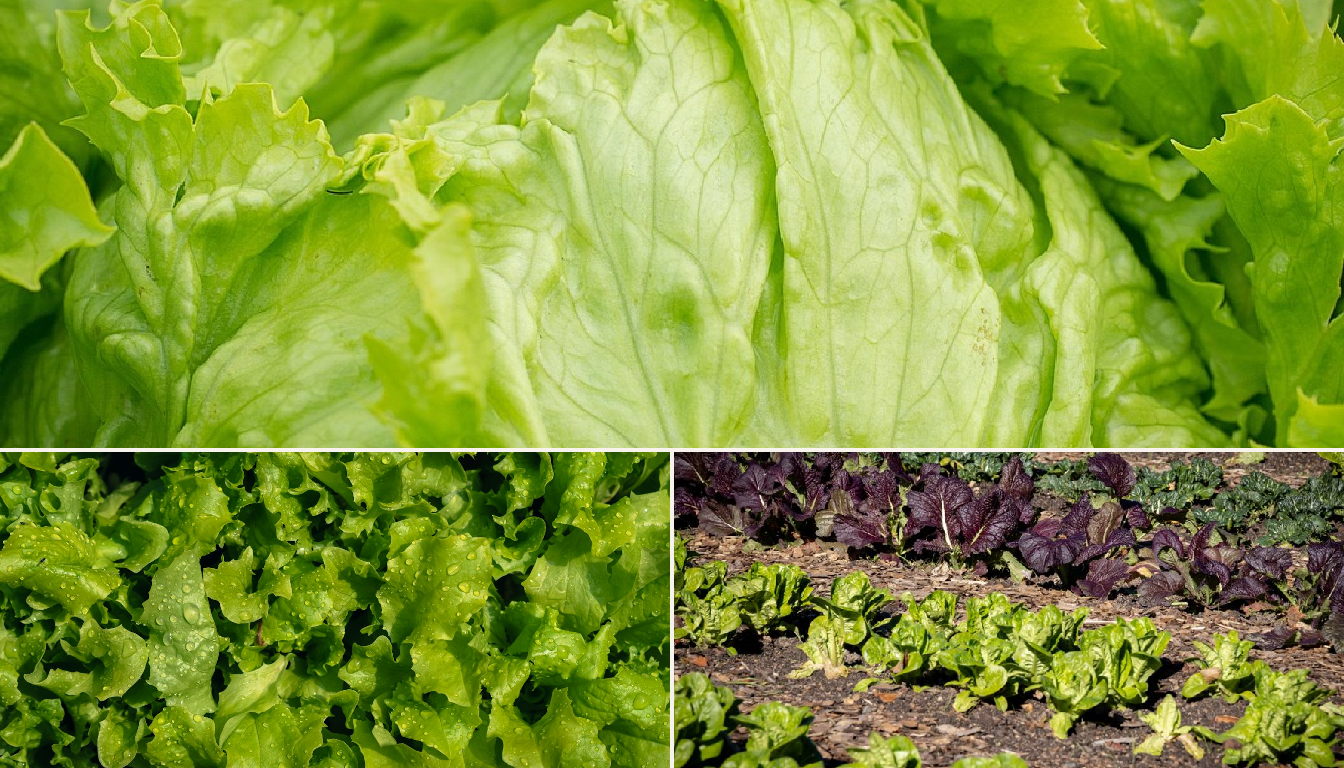
Best Time to Plant Lettuce in Seattle
Understanding Seattle's Climate for Growing Lettuce
Late summer tells the story: lettuce that looked crisp in spring has gone bitter and tall, and Seattle's numbers explain why. Zone 8b describes winter cold — the coldest nights of the year stay within a mild band, so hard, soil-freezing weather is uncommon. Lettuce, a cool-season crop, reads that gentleness as an invitation.
What shapes lettuce more is the 3,200 growing degree days accumulating across a 183-day frost-free window, April 1 to October 1. Growing degree days tally accumulated warmth — the heat that moves a plant through its life cycle. Lettuce doesn't need much of it. Warmth nudges the plant toward bolting rather than tender leaves, which is why heat, not cold, is the primary constraint here.
That's the distinction worth holding onto: the frost-free window marks when temperatures stay above freezing, and says nothing about what lettuce actually enjoys. Lettuce is happiest at the cooler margins of that window — the shoulder weeks — while the warm middle is where leaf quality slips fastest. A long frost-free season is generous; a long warm one is not.
Soil pH is the least of it. Lettuce manages pH from 5 to 8.2, comfortably spanning Seattle's likely range, so heat remains the limiting factor — the same mildness that makes the region easy on so many plants is what makes the warm center of the season hard on this one.
Optimal Planting Window for Lettuce in Seattle

Lettuce in Seattle is a bookend crop. Plant it early in the season before sustained heat arrives, and again late in the year as temperatures fall back below the point where lettuce sulks. The midsummer sowing is the one window that reliably disappoints, because heat is the limiting factor for this crop.
Timing matters more for lettuce than for slower vegetables because it's fast and heat-sensitive. At 45 days to maturity, a spring planting has to get in and size up before warmth pushes the plants to bolt — to shoot up a flower stalk and turn the leaves bitter. That same 45 days means a fall planting needs enough cool weather left to reach harvest before growth slows to a crawl.
Spring window: early in the season, before sustained heat sets in.
Fall window: late season, as temperatures cool below the heat-stress threshold.
Both are deliberately qualitative. They describe conditions rather than calendar dates, and in a Zone 8b climate they sit at opposite ends of the growing season, mirroring each other around the hot stretch in between.
What to watch, rather than the calendar:
- Soil you can work. Once beds are no longer cold and soggy and seedlings are growing steadily instead of sitting still, spring sowing is on.
- Lengthening days without hot afternoons. Lettuce reads long, warm days as a signal to bolt. When afternoons turn consistently hot, the spring window has closed — don't push it.
- Cooling nights and shortening days. These are the cues that keep fall lettuce sweet and productive, and they tell you the late window has opened.
If you want a working rule: count back 45 days from whenever your beds typically turn hot, and aim to have lettuce finished by then — or wait for the autumn cool-down and let the shorter days do the work for you.
Common Problems When Growing Lettuce in Seattle

In Seattle, lettuce failures are almost always timing failures, not climate failures. Zone 8b and a cool-season habit mean the crop thrives in mild conditions, but its primary limiting factor is heat — so most problems trace back to warm air or warm soil.
Bolting is the most visible. The plant stops making leaves and sends up a central stalk that will flower. That happens because lettuce is biologically programmed to reproduce when temperatures rise; sustained heat signals the vegetative phase to end. In Seattle, the spring window closes early, before sustained heat sets in, and the fall window opens only as temperatures cool below the heat-stress threshold. Planting outside those windows invites bolting.
Bitterness often accompanies or precedes bolting. Heat stress increases the bitter compounds in the leaves, so even a plant that hasn't visibly bolted can turn unpalatable. The cause is the same heat trigger, which is why heat-avoid planting is the core prevention. Sow early in spring and late in fall so the harvestable period stays in cool weather.
Warm soil stops lettuce seed from germinating well. Lettuce seed is adapted to cool conditions; when soil is too warm, germination is slow, uneven, or fails. This is common when sowing in late spring or mid-summer. The fix is to use the cool windows: early spring before heat builds, and fall as temperatures drop below the heat-stress threshold. A fall sowing that goes in while heat lingers can fail at the seed stage before the plants ever face the season.
Finally, the semi-hardy rating matters at the cold end. Lettuce tolerates light frost, which is why a fall crop can keep producing into cool weather, but hard freezes will damage or end it. Time fall planting so heads mature before the coldest part of winter, and harvest before a hard freeze arrives. Since Seattle's climate limitations are not significant overall, the real risk is a mismatch between lettuce's cool-season needs and a warm-season planting schedule.
Pro Tips for Lettuce Success in Seattle
Keep lettuce growing quickly and evenly, and bitterness, bolting, and tipburn largely stay away. Since heat is what limits lettuce here, the useful moves are the ones that keep roots cool and moisture steady.
Water lightly and often rather than deeply and rarely. Lettuce roots sit close to the surface, so they dry out fast; aim for soil that is consistently moist but never soggy, and water in the morning so the leaves have time to dry before the damp of a Seattle evening. Irregular moisture is what pushes leaves toward bolting and browning once warm days arrive, so steadiness matters more than volume.
Lettuce wants loose, fertile soil that drains freely — work in compost so it holds moisture without waterlogging. A thin mulch over the root zone keeps soil temperatures lower, which is your most practical lever against heat for a cool-season crop. On sun, plant into full sun or partial shade, and treat afternoon shade as genuinely useful in a warm bed, particularly one backed by a heat-retaining wall.
Space plants roughly eight or nine inches apart, about half a square foot each. Lettuce doesn't climb, so every plant needs its own floor space; giving it that room keeps air moving between heads, which matters in humid conditions where crowding invites rot. Sow small patches in succession and harvest outer leaves so each plant keeps producing instead of maturing all at once.
Radishes make a good companion: they finish fast, their thin roots slip between lettuce plants without competing hard, and they can be pulled before the lettuce needs the space. Chives are another easy pairing — shallow-rooted, they share the same moisture zone, and their scent is often credited with discouraging aphids.
Your own bed's shade, drainage, and airflow decide how these play out, and that's exactly what a personalized TheYardWise report sorts out for your garden.
Get Your Personalized Garden Plan
Timing lettuce around Seattle's fall cool-down is a question general guidance can answer well — the cool-season windows above give you a workable frame. What it can't account for is your own garden's quirks: a south-facing bed that holds afternoon heat, a wind-exposed corner, or a wall that radiates warmth overnight all shift how quickly soil cools and how long lettuce stays productive, even within the same USDA zone. That's where TheYardWise helps — a personalized plan built from your exact location's climate data. See your planting plan for Seattle.
Data Sources & Methodology
Climate
External Source: USDA zone reference table · USDA Plant Hardiness Zone Map
- USDA Plant Hardiness Zone: 8b
- Average Last Spring Frost: April 1
- Average First Autumn Frost: October 1
- Growing Degree Days: 3200
- Approx. Growing Season Length: ~183 days
Plant
Internal Knowledge Base: TheYardWise Plant Database · Crop Agronomy Database
- Frost Tolerance: Semi-hardy
- Days to Maturity: 45
- Typical Zone Soil pH Range: 5–8.2 (target ~6.6)
Decision Rules
TheYardWise Agronomy Rules Engine:
- Frost Risk Evaluation
- GDD / Heat-Accumulation Rule
- Heat Stress Evaluation
- Growing Season Rule
Decision Trace
Recommendation: Early in the season, before sustained heat sets in
Data: Average last frost April 1
Rule: Heat Stress Evaluation
Source: USDA zone reference table
Recommendation Confidence: Medium
Reviewed: September 2026