Best Time to Plant Spinach in Chicago
Understanding Chicago's Climate for Growing Spinach
Late-summer Chicago gardens are still pumping out tomatoes and peppers when spinach has long since bolted and gone bitter — and that mismatch is the whole story of growing it here. Chicago's 215-day frost-free window, running from an April 10 last frost to a November 11 first fall frost, is a generous season for warm-season crops and far more than spinach can use. Spinach is a cool-season plant whose primary limiting factor is heat, so the mistake to avoid is treating the entire frost-free stretch as spinach season. Frost isn't the obstacle; sustained warmth is.
Spinach's biology runs on cool air and cool soil. In those conditions it germinates readily and produces leaves fast. Once heat builds, it shifts into bolting — sending up a flower stalk — and the leaves turn bitter. That's why the fall window, when temperatures drop back below the heat-stress threshold, tends to be the more forgiving half of the year in this climate.
The frost dates mark the outer edges of what's possible. April 10 is when hard frost risk generally ends, which matters less for spinach than for tomatoes, since spinach handles cold far better than heat — early cold rarely ruins a planting. November 11 is the first expected fall frost, and the cooling weeks before it are the stretch worth planning around.
Zone 6a rounds out the picture: winter cold is real, and spinach is scheduled around the cool shoulders of the season rather than its middle. The 1855 growing degree days say the same thing from another angle — plenty of heat accumulates across the year to push spinach past its prime, and its usable window closes quickly once warmth arrives. Soil pH of 5.5 to 7.2, defaulting to 6.3, suits spinach well; climate, not soil, is what needs managing.
Within one city, a south-facing bed against a wall warms faster than a shaded, wind-exposed corner, which shifts how long leaves stay tender — and that difference starts with when you sow.
Optimal Planting Window for Spinach in Chicago
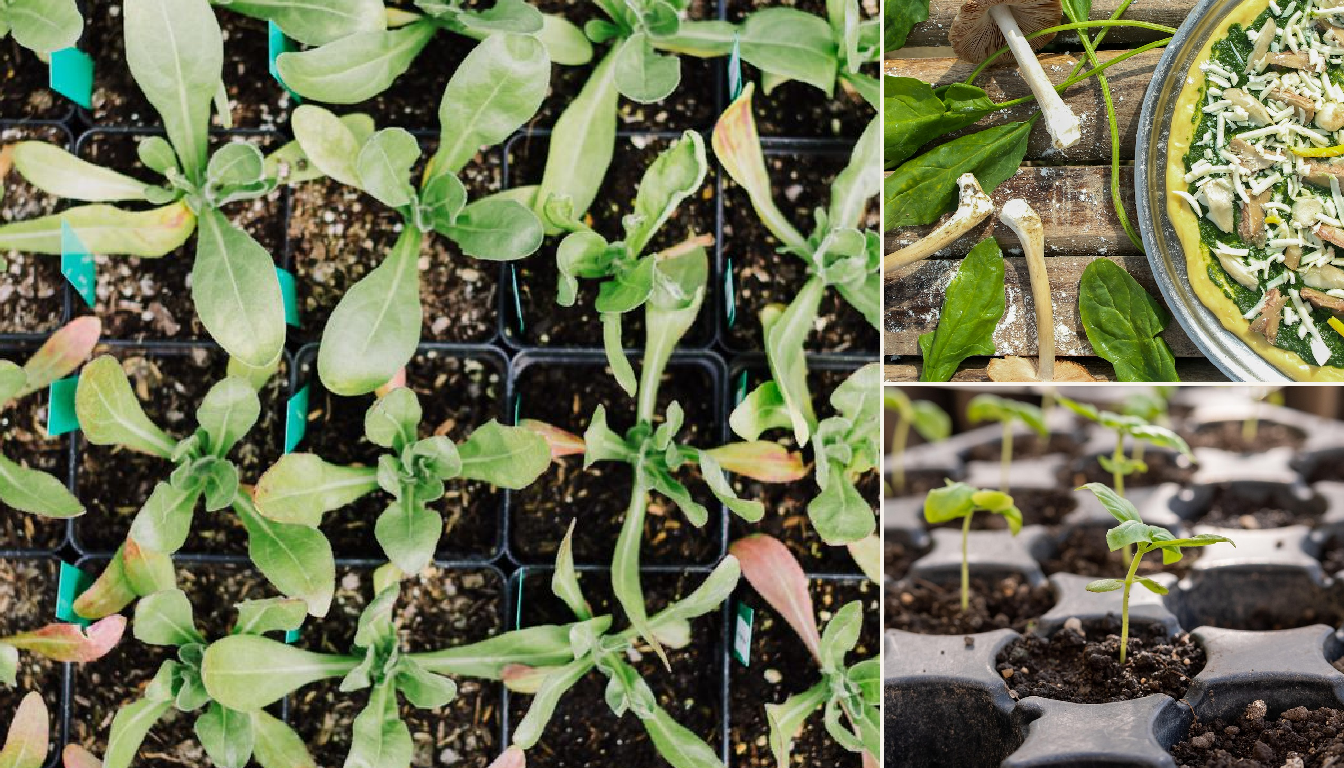
Timing is nearly everything with spinach in Chicago, because the crop's limiting factor here is heat rather than cold. Forty days from sowing to harvest is quick, but only if those days land in cool weather. Once sustained warmth settles in, spinach bolts, the leaves turn bitter, and the harvest collapses within about a week. The practical goal is to fit that 40-day run inside a cool stretch, not to hunt for one perfect planting date.
That produces two general windows, both defined by temperature more than by the calendar. The spring window is early — the first workable stretch of the season, before sustained heat sets in. Spinach handles cold far better than it handles warmth, and light frosts won't end the crop, so waiting adds risk rather than safety; the early start is the whole advantage. The fall window is the mirror image: late in the season, as temperatures drop back below the heat-stress threshold. In zone 6a, fall planting is generally the more forgiving of the two, because the season cools gradually and days shorten as it goes — and shortening days work in your favor, slowing the bolting that long spring days accelerate. Because both windows are described by conditions rather than fixed dates, watch the signals instead:
- Soil is thawed and workable, not frozen or cold and waterlogged.
- Nights stay cool, with no run of warm nights in the forecast.
- For fall sowing, count backward from hard freezes and leave roughly 40 days of cool growth.
The day-length signal is easy to overlook. Lengthening days plus rising heat in late spring push spinach to bolt, so a spring sowing that starts late tends to finish short and bitter. Shortening days in fall do the opposite, which is why a fall crop can hold in good condition longer than a spring one.
The window itself looks the same for every Chicago gardener; what differs is your site. A warm, south-facing bed heats earlier and stresses spinach sooner, while a shaded or wind-exposed corner runs cooler and can stretch the window at both ends. That site-level difference is exactly what a TheYardWise personalized report is built to pin down.
Common Problems When Growing Spinach in Chicago
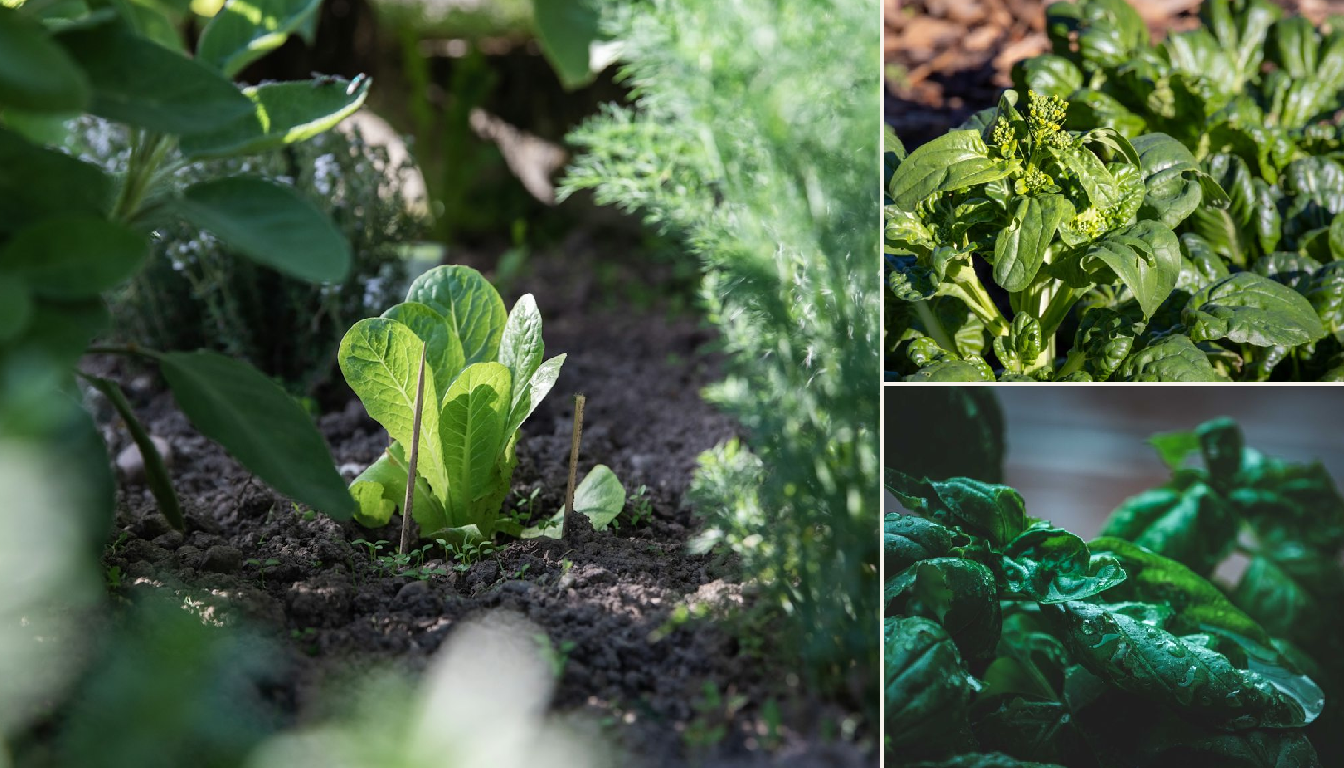
Timing gets you most of the way, but a few specific failures can still undo a well-placed sowing.
Bolting. The classic spinach failure: a central stalk shoots up, leaves shrink and turn narrow and pointed, and the flavor goes sharp and bitter. Spinach is physiologically wired to flower in response to warmth and lengthening days, and once the shift to seed production begins, it cannot be reversed. Even before that, hot weather produces small, thick, bitter leaves and midday wilting, because the plant's tissue-building and photosynthesis work best in cool conditions and its roots can't replace water fast enough under heat load. Prevention is about racing the calendar, not fighting the weather: sow so harvest falls in cool stretches, choose slow-bolting varieties, and keep water steady and, where possible, give afternoon shade.
Poor or erratic germination. Spinach seed germinates weakly once soil warms past the cool range it prefers, which is why late sowings into warm ground so often come up thin and patchy. Seeds also dry out quickly when sown shallow — and they must be sown shallow. General prevention: pre-chill seed before sowing, keep the surface consistently moist until emergence, and use shade cloth or mulch to hold soil temperature down.
Seedling collapse in cold, wet soil. Fall sowings can rot at the base before or just after emerging. The cause is biological as much as climatic: cold, saturated soil slows germination and root growth while soil organisms that attack tender tissue stay active, so the seedling loses the race. Prevention is drainage and timing — plant into soil that drains well, avoid sowing into standing moisture, and thin promptly so air moves between plants.
Freeze-thaw heaving on overwintered plants. Spinach's hardiness lets a fall sowing survive a zone 6a winter, but repeated freezing and thawing of bare ground can push crowns up and snap roots. A layer of mulch applied after the soil has cooled, plus well-drained ground, keeps the soil temperature steadier and holds plants in place.
Most of these trace back to heat and water — the two things the next steps are built around.
Pro Tips for Spinach Success in Chicago
Most of those failures come back to steady moisture and a break from late-day sun, and that's where good spinach growing starts. Aim for soil that stays evenly moist, and don't let the bed bake through the afternoon: heat is what ends a spinach season, not cold, so full sun works while the weather is cool, but a bed that falls into partial shade by afternoon holds leaves tender and pushes back bolting. Water deeply rather than lightly and often, and keep an inch of mulch over the root zone — a cool, damp soil is the single best defense against a plant that wants to shoot to seed the moment warmth arrives.
Build the bed before you sow. Spinach is a fast, shallow-rooted leaf crop, so work several inches of compost or well-rotted organic matter into the top layer. That gives roots steady moisture and nutrients without forcing soft, sappy growth with heavy nitrogen.
Thin seedlings to 0.25 square feet per plant. Crowding costs you twice: plants compete for water, and tight foliage traps humidity around the crown, which is exactly the condition that invites downy mildew during a damp stretch.
For companions, radishes and peas both earn their place. Radishes germinate quickly and mark the row while spinach is slow to emerge, then finish before the two compete for space. Peas fix nitrogen, share spinach's cool growing window, and their foliage throws the light shade spinach appreciates as the season warms — a living version of the afternoon-shade trick.
Get Your Personalized Garden Plan
The general answer is complete: sow in a cool window, keep the soil steady and moist, and expect heat — not cold — to be the thing that ends the crop. What stays personal is your garden's own microclimate — a sunny south-facing bed warms earlier than a shaded one, a wind-exposed corner cools faster, and a heat-retaining wall can push soil temperatures well past what your Zone 6a spinach prefers. TheYardWise builds personalized plans around your exact location data, factoring in those local variations alongside the same frost and heat timing discussed here. See your planting plan for Chicago.
Data Sources & Methodology
Climate
External Source: Open-Meteo ERA5 30-year historical climate (archive-api.open-meteo.com) · USDA Plant Hardiness Zone Map
- USDA Plant Hardiness Zone: 6a
- Average Last Spring Frost: April 10
- Average First Autumn Frost: November 11
- Growing Degree Days: 2950
- Approx. Growing Season Length: ~215 days
Plant
Internal Knowledge Base: TheYardWise Plant Database · Crop Agronomy Database
- Frost Tolerance: Hardy
- Days to Maturity: 40
- Typical Zone Soil pH Range: 5.5–7.2 (target ~6.3)
Decision Rules
TheYardWise Agronomy Rules Engine:
- Frost Risk Evaluation
- GDD / Heat-Accumulation Rule
- Heat Stress Evaluation
- Growing Season Rule
Decision Trace
Recommendation: Early in the season, before sustained heat sets in
Data: Heat exposure: 4 month(s)/yr where average high exceeds the crop's optimal upper bound (68°F); heat-stress days (Tmax >90°F): 7; lethal-heat days (Tmax >95°F): 1
Rule: Heat Stress Evaluation
Source: Open-Meteo ERA5 30-year historical climate (archive-api.open-meteo.com)
Recommendation: Frost is a minor constraint — hardy crops tolerate hard freezes; sow as soon as the soil can be worked.
Data: Average last frost April 10; first fall frost November 11; crop frost tolerance: Hardy
Rule: Frost Risk Evaluation
Source: Open-Meteo ERA5 30-year historical climate (archive-api.open-meteo.com)
Recommendation: Growing degree days (2950) support the crop's heat-unit maturity requirement
Data: Growing Degree Days: 2950
Rule: GDD / Heat-Accumulation Rule
Source: Open-Meteo ERA5 30-year historical climate (archive-api.open-meteo.com)
Recommendation: Growing season (~215 days) supports this crop
Data: Approx. Growing Season Length: ~215 days
Rule: Growing Season Rule
Source: Open-Meteo ERA5 30-year historical climate (archive-api.open-meteo.com)
Recommendation Confidence: Medium
Reviewed: October 2026