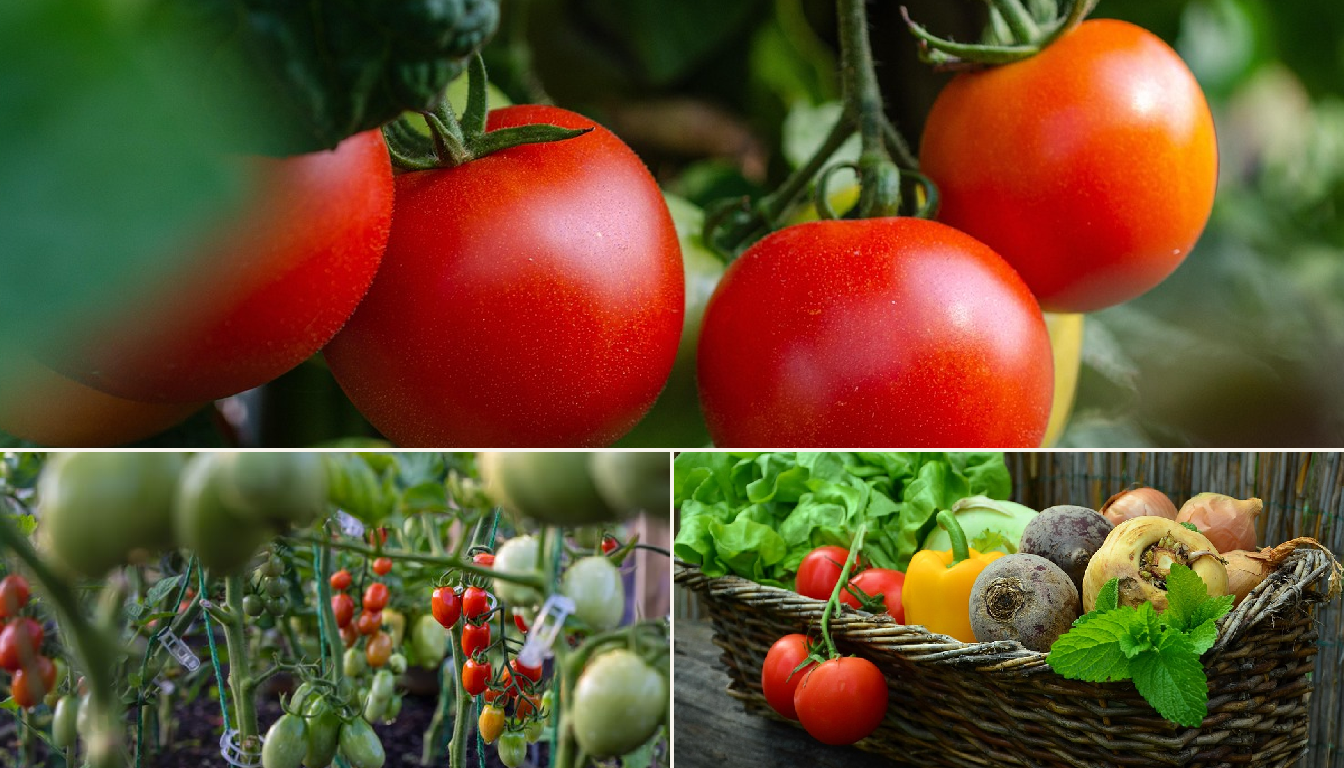
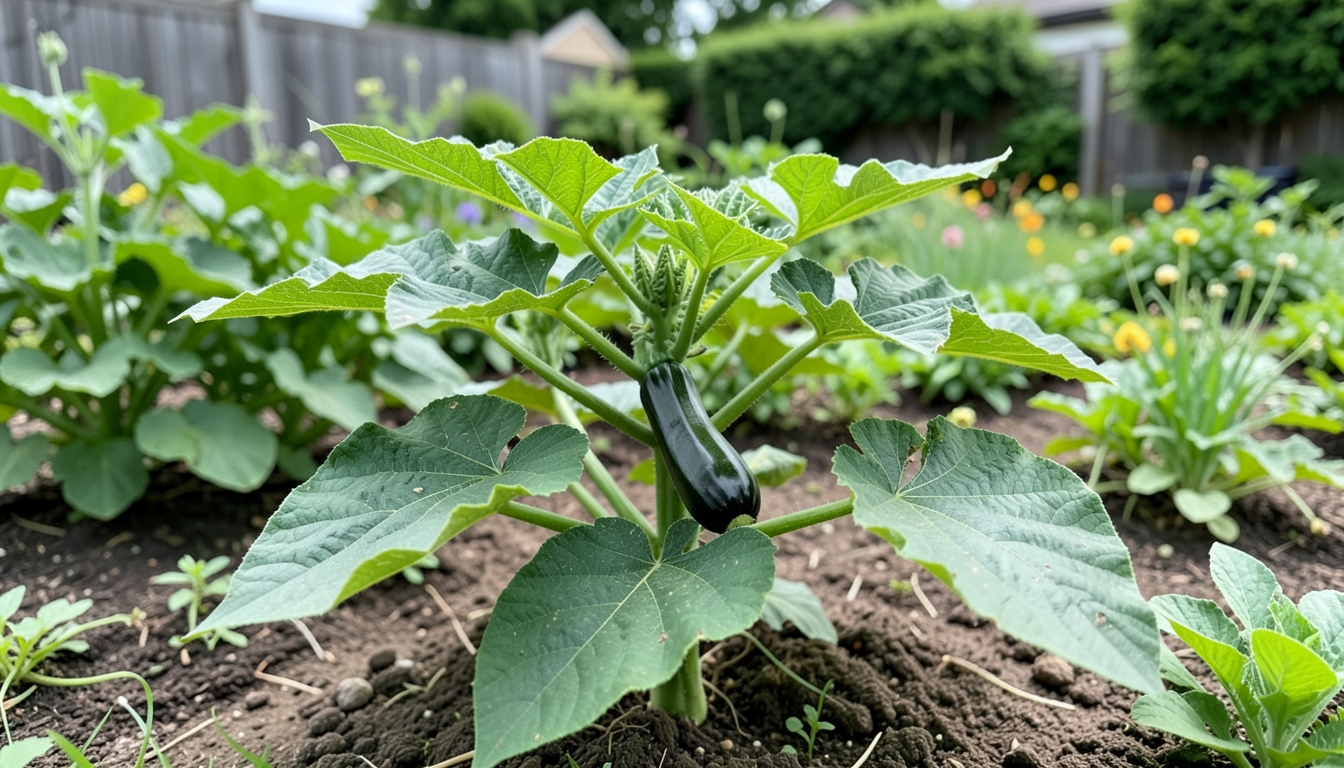
Best Time to Plant Tomatoes in Seattle
Understanding Seattle's Climate for Growing Tomato
In Seattle, the soil thermometer runs the schedule, not the calendar. Zone 8b keeps winters mild enough that roots stay active almost year-round, and the frost-free stretch from March 20 to November 26 hands tomatoes 251 days of frost protection. That sounds generous — and it is — but Puget Sound's maritime mildness cuts both ways. The air warms slowly in spring and cools early in the evening, so the soil stays below the temperature tomatoes need for vigorous root growth and nutrient uptake long after the last frost has passed. March 20 is where hard frost risk ends; it is not where a tomato transplant will take off.
The heat budget matters just as much. At roughly 1,128 growing degree days — a measure of accumulated warmth above a base temperature that drives development — Seattle sits on the lean side for a heat-hungry fruiting crop. That budget favors compact, early-maturing varieties and transplants over direct seeding, and it makes the season a sprint rather than a marathon. The long, late finish to the frost-free window helps here: fruit set in late summer still has time to color before the November 26 frost.
Soil is the other variable. The default pH of 6.6 lands comfortably for tomatoes, though the region's soils vary widely, and a test is worth the effort before amending. Cool, damp conditions also favor early blight, so air movement and spacing earn their keep — a thread that runs through everything below.
Optimal Planting Window for Tomato in Seattle

That cold-soil reality is what sets the planting window. Tomatoes go in after frost risk has passed, once the soil has warmed — not on a fixed date. Seattle's average last frost falls around March 20, but treat that as the earliest point you could plant, not as a start date: hard frosts typically end there while the ground itself is still cold and slow to warm. The season is warm-season, and the window is genuinely qualitative, which in practice means late spring — and it can slide either way depending on the year and the particular bed.
Timing matters because tomatoes stall in cold, wet ground. Roots sit idle, transplants sulk instead of growing, and the roughly 75 days those plants need to reach maturity start late, pushing ripening into cooler, shorter days.
Quick signals to check before planting
Frost risk — past the average last-frost point near March 20. Necessary, but not sufficient.
Soil warmth — the deciding factor, and the primary limiting factor for tomatoes here. Dig a few inches down in the morning; if it still feels cold and stays slow to dry after rain, wait.
Sustained mild nights — a stretch of them, not one warm afternoon. A single warm week in March doesn't warm soil meaningfully, and a cold snap afterward sets plants back further than a delayed planting would.
Day length isn't the constraint in a Seattle spring — by the time soil is ready, days are long enough to support strong growth. That's why warmth, not light, is what you wait on.
Microclimates shift this. A south-facing bed against a heat-retaining wall warms noticeably sooner than an exposed corner that catches wind, and that difference can matter more than a week on the calendar. It's also the part no citywide guide can measure for you.
Common Problems When Growing Tomato in Seattle

Good timing removes most of the risk, but a few familiar problems still show up when the soil or the weather slips.
Cold soil and transplant setback. Tomatoes are tender plants, and the thing that most often goes wrong early is simply pushing them into soil that hasn't finished warming. Cool soil slows root growth to a crawl, so seedlings sit there yellowing and stunted instead of growing, and a tender plant caught by a late cold snap can be checked for weeks. The biology is straightforward: tomato roots function best in warm soil and largely stall when it's cold, while top growth keeps demanding water the roots can't yet supply. Prevention is patience plus a warm-bed strategy — wait for the soil itself rather than trusting the calendar, and use black plastic, a cloche, or a wall-of-water surround to bank heat before setting plants out.
Blossom drop and poor fruit set. Flowers appear, then dry up and fall without setting fruit. Tomato pollen doesn't release and move well when nights are cool or when daytime heat spikes, so pollination fails even though the plant looks healthy. Cool nights are the usual culprit in a maritime spring; a later heat spell during flowering can cause the same failure. Prevention: choose varieties known to set fruit under cool conditions, avoid excessive nitrogen that pushes leaf growth over flowers, and don't panic-prune — a full canopy buffers temperature swings around the flowers.
Blossom-end rot. A sunken, leathery brown or black patch appears on the bottom of the fruit. It isn't a disease but a calcium-delivery failure: calcium moves with water, and when soil moisture swings between soaking and dry, the fruit's expanding tissue gets starved even if the soil has plenty of calcium. Prevention centers on even moisture — consistent watering, mulch to buffer drying, and avoiding root disturbance — rather than adding calcium blindly.
Foliage disease in cool, damp weather. Dark lesions, spreading yellowing, and defoliation from the bottom up are typical when leaves stay wet in mild, humid conditions. Mild winters in this zone mean pathogen inoculum and insect pests aren't reliably knocked back by cold, so problems can start the following season from overwintered sources. Prevention is airflow and dryness: wider spacing, staking or caging, watering at the soil line rather than overhead, removing lower leaves that touch the ground, and cleaning up debris at season's end.
Which of these your particular beds, soil, and exposure actually produce is the part that stays personal — and it's where a tailored read of your garden beats general rules.
Pro Tips for Tomato Success in Seattle
Most of the fixes come down to warmth, light, and airflow.
Warm the soil, then plant. Cold ground is what stalls Seattle tomatoes, so treat soil temperature as the gate rather than the calendar. Set transplants into raised beds or mounded rows that drain and warm faster than flat ground, or lay dark plastic or mulch a couple of weeks ahead to bank heat. Plant deeper than the pot — bury the stem up to the top few leaves so the buried portion roots — and wait until the soil actually feels warm to the touch, not merely until frost risk has passed.
Give them full sun and reflected heat. Tomatoes need full sun, and a spot against a south-facing wall or a heat-retaining surface stretches that warmth through a cool growing season. Shade or a wind-scoured corner costs you growth and fruit set.
Space them 4 square feet apart and grow them upward. That spacing keeps foliage dry and air moving, which matters in a humid climate where crowded leaves invite disease. Tomatoes are a natural vertical crop, so a sturdy stake, cage, or trellis lifts fruit off the ground and concentrates warmth around the plant instead of spreading it thin.
Water deeply and evenly. Consistent moisture beats frequent light sprinkling — uneven watering is behind blossom end rot and split fruit. Water at the base in the morning, let the top inch or two dry between soakings, and expect containers and raised beds to dry faster than in-ground plantings.
Companions. Basil is the classic partner: it wants the same sun and warmth and tucks in beneath the vines without competing hard. Marigolds, planted along the bed's edge, are the other traditional choice — enjoy their pest-deterrent reputation as a bonus rather than a promise.
Get Your Personalized Garden Plan
The short answer for Seattle: wait until the soil has warmed after the average last frost around March 20, then plant, and lean on a warm bed, full sun, and steady moisture afterward. That covers the common question.
What it can't cover is your garden's own microclimate — a sunny south-facing bed, a wind-exposed corner, or a heat-retaining wall all shift soil temperature and timing, even within the same USDA zone. TheYardWise builds personalized garden plans from your exact location data, so the recommendations reflect your specific conditions instead of a citywide average. See your planting plan for Seattle.
Data Sources & Methodology
Climate
External Source: Open-Meteo ERA5 30-year historical climate (archive-api.open-meteo.com) · USDA Plant Hardiness Zone Map
- USDA Plant Hardiness Zone: 8b
- Average Last Spring Frost: March 20
- Average First Autumn Frost: November 26
- Growing Degree Days: 1128
- Approx. Growing Season Length: ~251 days
Plant
Internal Knowledge Base: TheYardWise Plant Database · Crop Agronomy Database
- Frost Tolerance: Tender
- Days to Maturity: 75
- Typical Zone Soil pH Range: 5–8.2 (target ~6.6)
Decision Rules
TheYardWise Agronomy Rules Engine:
- Frost Risk Evaluation
- GDD / Heat-Accumulation Rule
- Heat Stress Evaluation
- Growing Season Rule
Decision Trace
Recommendation: After frost risk has passed (average last frost March 20), once the soil has warmed
Data: Average last frost March 20; first fall frost November 26; crop frost tolerance: Tender
Rule: Frost Risk Evaluation
Source: Open-Meteo ERA5 30-year historical climate (archive-api.open-meteo.com)
Recommendation: Heat-stress window bounds the usable planting season
Data: Heat exposure: 0 month(s)/yr where average high exceeds the crop's optimal upper bound (86°F); heat-stress days (Tmax >90°F): 1; lethal-heat days (Tmax >95°F): 0
Rule: Heat Stress Evaluation
Source: Open-Meteo ERA5 30-year historical climate (archive-api.open-meteo.com)
Recommendation: Growing degree days (1128) support the crop's heat-unit maturity requirement
Data: Growing Degree Days: 1128
Rule: GDD / Heat-Accumulation Rule
Source: Open-Meteo ERA5 30-year historical climate (archive-api.open-meteo.com)
Recommendation: Growing season (~251 days) supports this crop
Data: Approx. Growing Season Length: ~251 days
Rule: Growing Season Rule
Source: Open-Meteo ERA5 30-year historical climate (archive-api.open-meteo.com)
Recommendation Confidence: Medium
Reviewed: September 2026