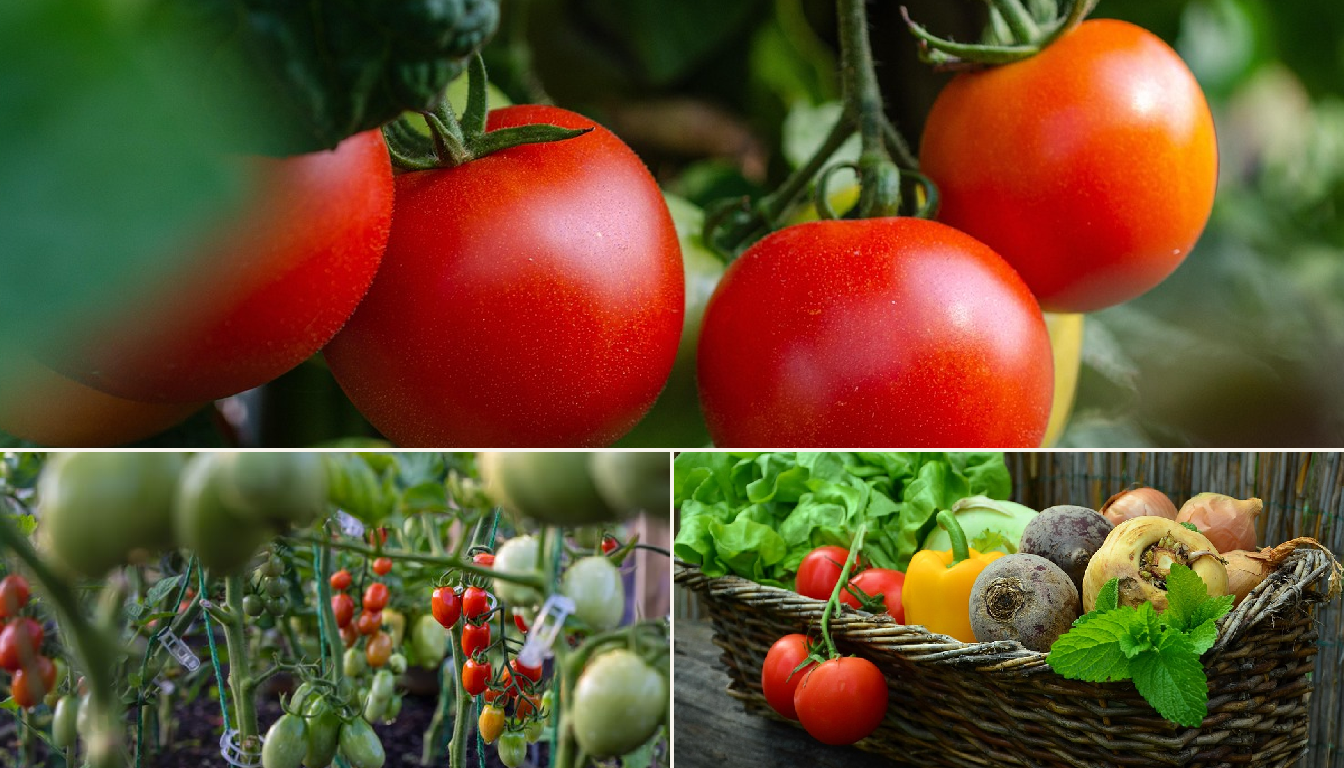
Best Tomato Varieties for Seattle
Understanding Seattle's Climate for Growing Tomato
While many gardeners assume that Seattle's mild climate makes it an ideal location for growing tomatoes, the reality is that the city's cool summers and short warm season can actually create challenges for these warm-season crops. The USDA Zone 8b classification indicates that Seattle experiences moderate winters and cool summers, which can impact tomato growth. The 1128 GDD (Growing Degree Days) value suggests that the growing season is relatively short, with temperatures warm enough to support tomato growth for a limited period. The frost dates, March 20 to November 26, provide a window of opportunity for planting, but it's essential to consider the primary limiting factor for tomatoes in Seattle: soil warm-up after frost risk passes. Tomatoes thrive in warm soil, and the cool temperatures in early spring can delay planting. This means that even though the last frost date is March 20, it's crucial to wait until the soil has warmed up before planting tomatoes.
Optimal Planting Window for Tomato in Seattle
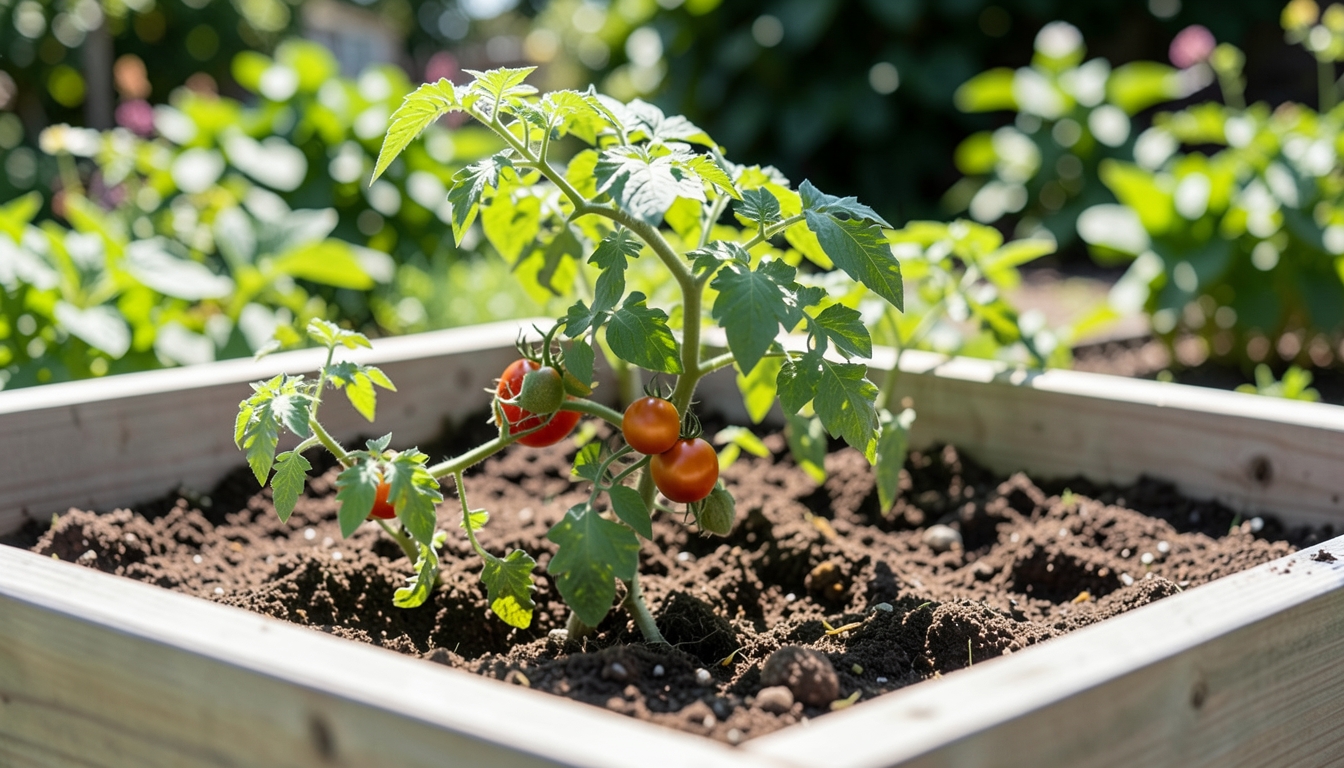
Understanding the climate factors that affect tomato growth in Seattle is crucial for determining the best planting time. As a warm-season crop, tomatoes thrive in temperatures above 60°F, making it essential to wait for the right moment to plant. The general planting window for tomatoes in Seattle is after the frost risk has passed and the soil has warmed up, typically in late spring to early summer. This allows the soil to reach a temperature that supports healthy growth and reduces the risk of frost damage. To determine the right time to plant, consider the following: soil temperature should be consistently warm, above 55°F; night temperatures should be above 50°F; and peak heat should be manageable, as excessive heat can lead to reduced fruit set. With a days-to-maturity period of 75 days, tomatoes need a decent amount of time to grow and produce fruit, making it essential to plant at the right time.
Common Problems When Growing Tomato in Seattle
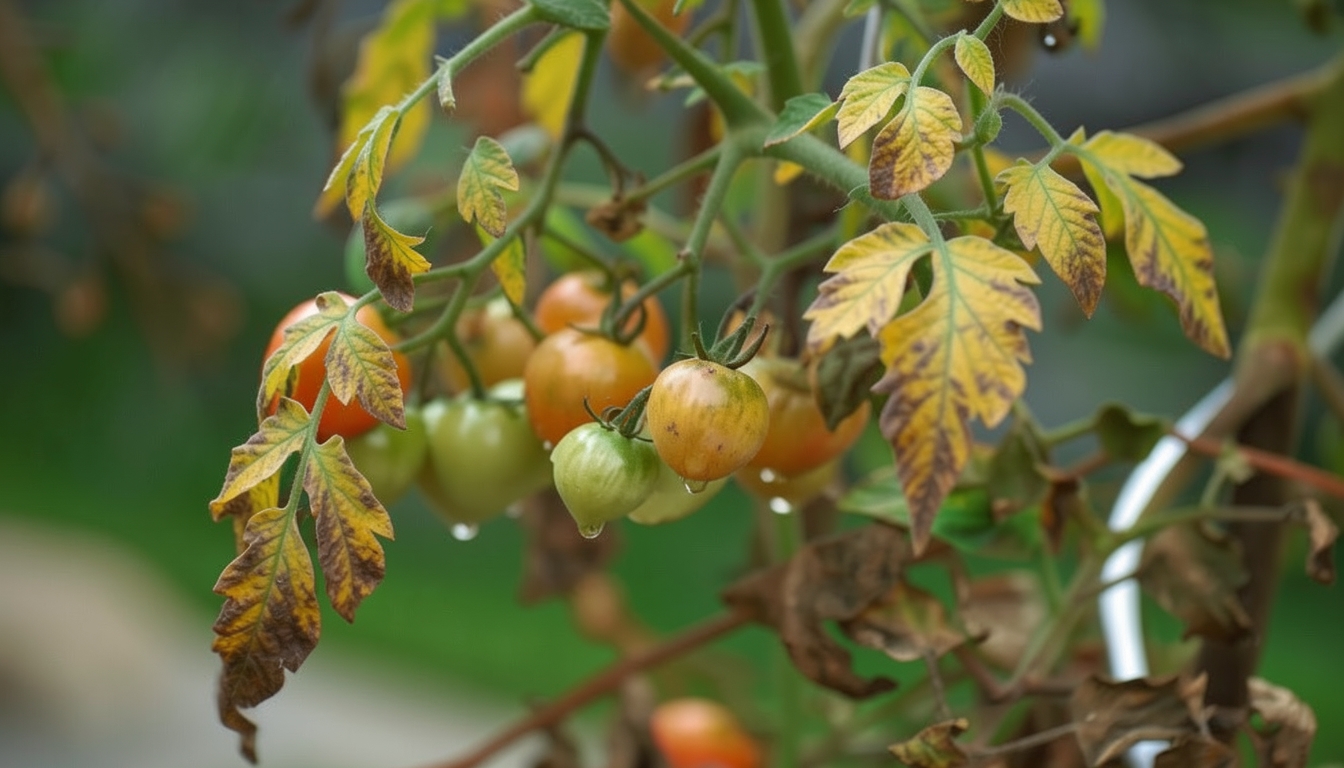
In Seattle's climate, tomatoes can be susceptible to several common problems. One issue is blossom end rot, which appears as a brown or black lesion on the bottom of the fruit, often triggered by inconsistent watering or soil moisture fluctuations. Fungal diseases, such as early blight or septoria leaf spot, can also cause yellowing leaves, black spots, or defoliation, and are often caused by the presence of fungal pathogens that thrive in cool and wet conditions. Additionally, tomatoes in Seattle may experience cracking or splitting, which occurs when the fruit grows too quickly or is exposed to sudden changes in temperature or moisture. As a tender crop, tomatoes are also sensitive to frost, which can damage or kill plants. To prevent these problems, gardeners can maintain consistent soil moisture, mulch around plants, improve air circulation, and avoid overhead watering.
Pro Tips for Tomato Success in Seattle
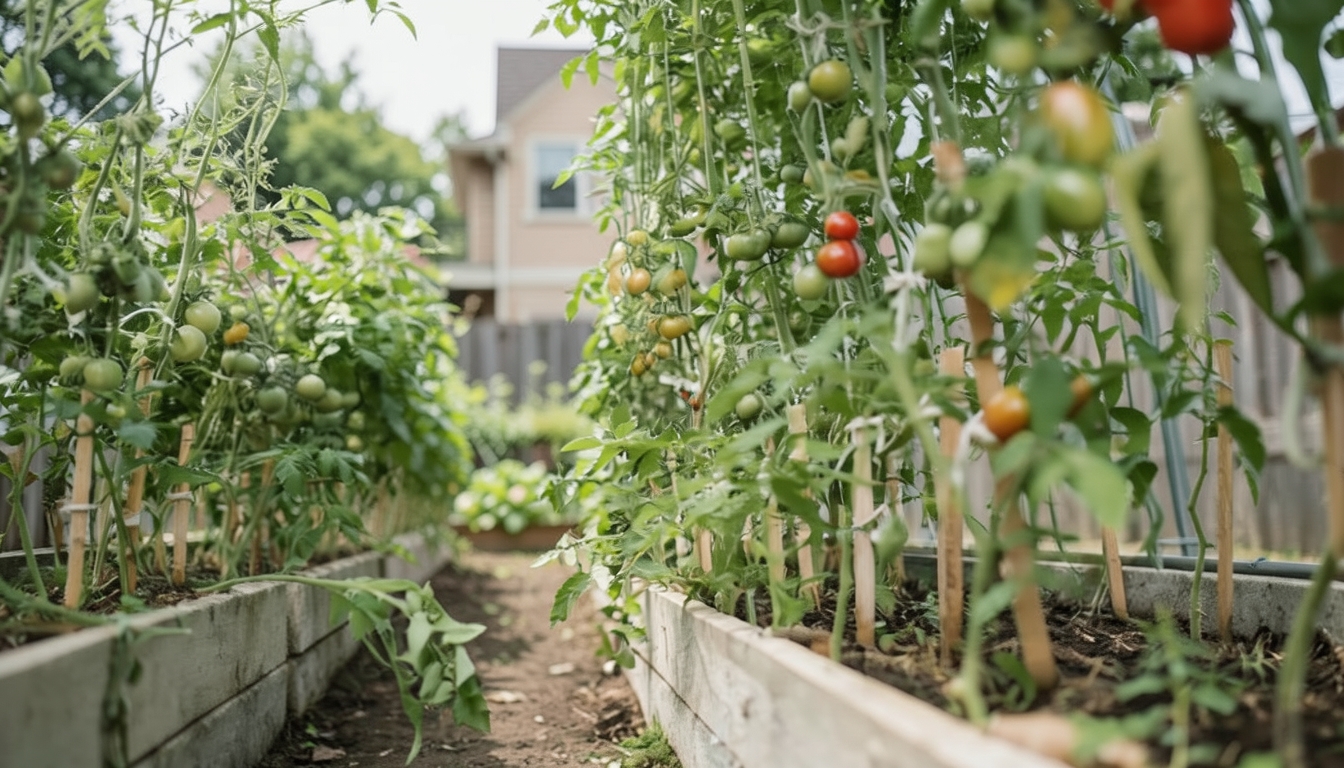
To grow healthy and productive tomatoes in Seattle, it's essential to provide them with the right conditions. Tomatoes require full sun, so choose a location that receives direct sunlight for most of the day. When it comes to spacing, give each plant about 4 square feet to ensure they have enough room to grow and receive adequate air circulation. Consider pairing your tomatoes with companion plants like basil or borage, which can help repel pests and improve flavor. Since tomatoes need warm soil to grow well, wait until the soil has warmed up before planting, and be mindful of the plant's watering needs, taking into account the city's cool and wet climate. Using a trellis or cage to support the plants as they grow can also help keep the fruit off the ground, reducing the risk of rot and disease.
Get Your Personalized Garden Plan
While general guidance covers the basics, every garden is unique, with microclimates like sunny south-facing beds or wind-exposed spots affecting growth. For personalized advice tailored to your specific garden in Seattle, consider using a resource like TheYardWise, which provides local climate data and customized planting plans to help you grow healthy and productive tomatoes.
Data Sources & Methodology
Climate
External Source: Open-Meteo ERA5 30-year historical climate (archive-api.open-meteo.com) · USDA Plant Hardiness Zone Map
- USDA Plant Hardiness Zone: 8b
- Average Last Spring Frost: March 20
- Average First Autumn Frost: November 26
- Growing Degree Days: 1128
- Approx. Growing Season Length: ~251 days
Plant
Internal Knowledge Base: TheYardWise Plant Database · Crop Agronomy Database
- Frost Tolerance: Tender
- Days to Maturity: 75
- Typical Zone Soil pH Range: 5–8.2 (target ~6.6)
Decision Rules
TheYardWise Agronomy Rules Engine:
- Frost Risk Evaluation
- GDD / Heat-Accumulation Rule
- Heat Stress Evaluation
- Growing Season Rule
Decision Trace
Recommendation: After frost risk has passed (average last frost March 20), once the soil has warmed
Data: Average last frost March 20; first fall frost November 26; crop frost tolerance: Tender
Rule: Frost Risk Evaluation
Source: Open-Meteo ERA5 30-year historical climate (archive-api.open-meteo.com)
Recommendation: Heat-stress window bounds the usable planting season
Data: Heat exposure: 0 month(s)/yr where average high exceeds the crop's optimal upper bound (86°F); heat-stress days (Tmax >90°F): 1; lethal-heat days (Tmax >95°F): 0
Rule: Heat Stress Evaluation
Source: Open-Meteo ERA5 30-year historical climate (archive-api.open-meteo.com)
Recommendation: Growing degree days (1128) support the crop's heat-unit maturity requirement
Data: Growing Degree Days: 1128
Rule: GDD / Heat-Accumulation Rule
Source: Open-Meteo ERA5 30-year historical climate (archive-api.open-meteo.com)
Recommendation: Growing season (~251 days) supports this crop
Data: Approx. Growing Season Length: ~251 days
Rule: Growing Season Rule
Source: Open-Meteo ERA5 30-year historical climate (archive-api.open-meteo.com)
Recommendation Confidence: Medium
Reviewed: October 2026